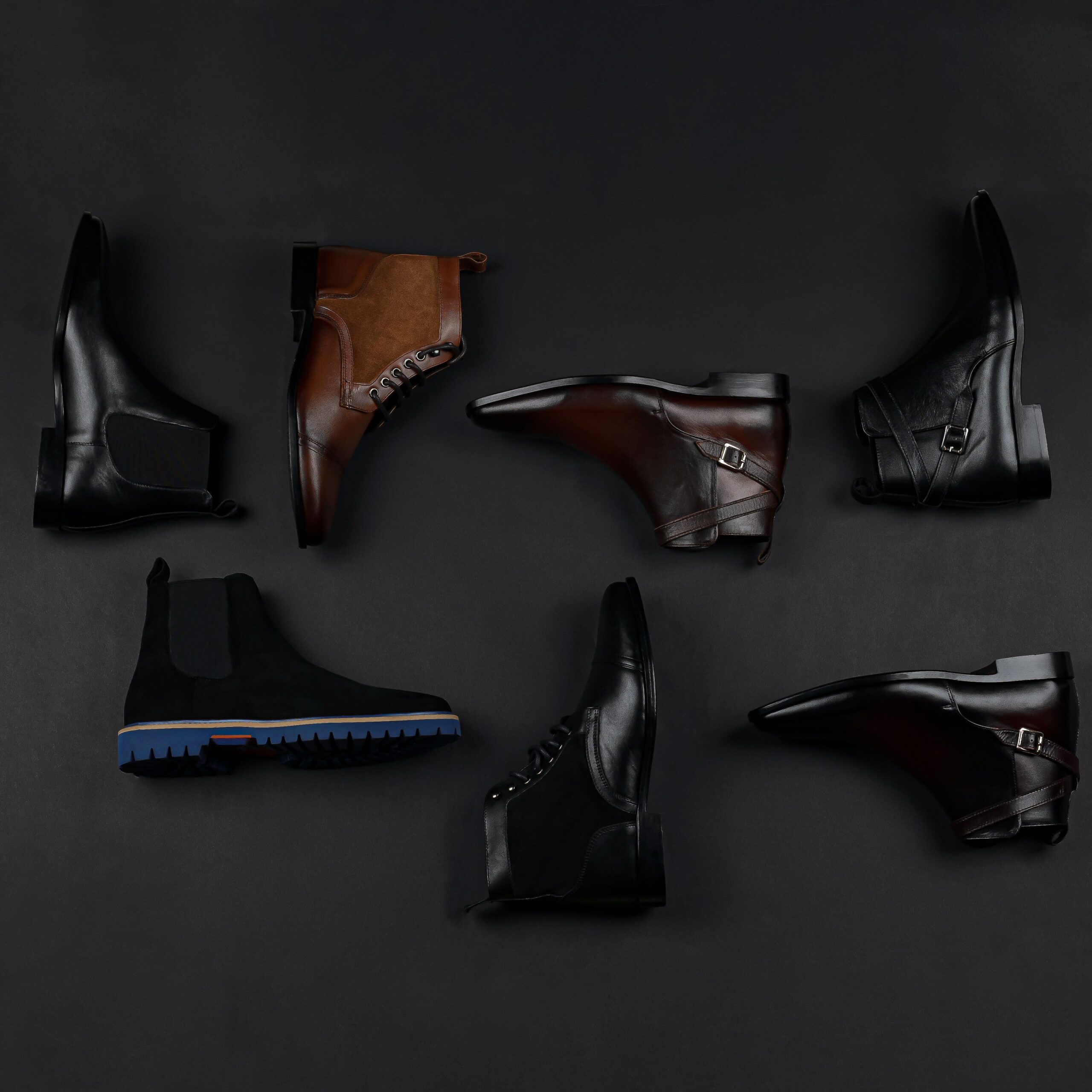



Packing for a summer holiday tends to focus on clothes, sunscreen and the right adaptor plug, with footwear often being tossed in our suitcases almost as an afterthought. However, the shoes chosen for each part of the trip, from the airport to the pool, to a day out walking, can really make the difference between a comfortable holiday and one spent nursing blisters.
Footwear for the Beach
Sandals and Crocs earn their place on any beach holiday, but not every style offers the same support. According to Dr Helen Branthwaite, Chief Clinical Advisor at the Royal College of Podiatry, who explained in a recent foot health guide with specialist sock retailer Gentle Grip a well-designed sandal needs a strap across the midfoot or forefoot, along with a way of holding the heel in place, plus a sole with enough shape and shock absorbency to handle sand and pavement alike. Flip-flops also fall short on most of these points, since the toe-anchored strap alone offers little stability.
Trainers for Active Breaks
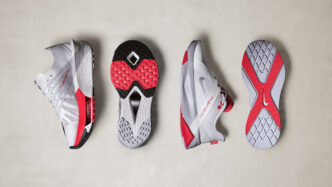
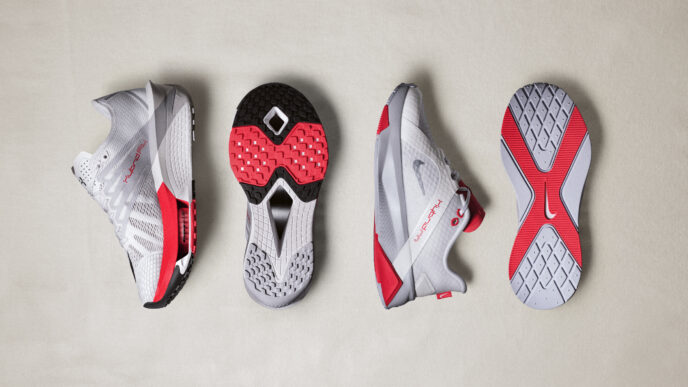
Active breaks built around constant movement put trainers through more than their usual daily wear and tear. The average foot produces about half a pint of sweat a day, which is absorbed by both socks and shoes, creating a warm, damp environment that bacteria thrive in.
In the above guide, Dr Braithwaite also recommends giving trainers 24 to 48 hours to dry out between wears, which helps keep this in check, and packing a second pair makes that rotation realistic on a busy trip. Moisture-wicking socks are a useful addition here, too, helping to manage sweat throughout a demanding day of activities.
Hiking Boots for Walking Holidays
When it comes to walking holidays, especially mountain or hill walking, fit matters more than brand or price. This means checking that the shoe accommodates the full length and width of the foot, provides enough depth at the toes, and fits securely at the heel without pinching anywhere. A boot that ticks these boxes, alongside a sole with the right stiffness for the terrain, does far more for comfort over a long day’s walking than any amount of cushioning alone.
Footwear Around the Water
Around the pool, sliders or pool shoes protect feet from hot tiles, but open water calls for slightly different things from footwear. Kayaking and paddleboarding call for minimal, secure-fitting water shoes that won’t interfere with grip on the board or in the cockpit, while rock pooling asks for something sturdier still, since barnacles, shells and loose rocks underfoot make a robust, puncture-resistant sole essential.
Other Holiday Footwear Considerations
A handful of other habits round out good holiday foot care, such as daily moisturising, ideally with a urea-based cream, which helps offset the drying effect of increased sandal wear. It’s also important to apply sunscreen to any exposed areas of your feet as carefully as anywhere else, with a minimum SPF of 30 and four-star UVA protection. Sunburnt feet can easily turn a dream holiday into a nightmare.
Finally, it’s also worth checking that last year’s holiday footwear still fits properly before packing it, since feet can change shape and size over time, even when a pair still looks perfectly wearable.
Prepared From the Ground Up
Most people don’t realise just how much foot health affects overall health, so choosing the right shoe for each part of a holiday is a small piece of planning that pays off far beyond the trip itself. Don’t leave protecting your feet until they’ve been overlooked.
Author Profile
Latest entries
 ShoesAugust 10, 2026How to Match the Right Footwear for Your Summer Holiday
 EventsAugust 9, 2026Baffin Begins New Chapter Under Royer Ownership
 FashionAugust 9, 2026adidas Originals and Hellstar Launch the MEGARIDE S2 in First Global Release
 BusinessAugust 9, 2026ALYN Golf Introduces the Geraldine Collection With Performance and Personality