Nike Closes Select Stores as It Reshapes Its Retail Footprint
Nike is tightening its brick-and-mortar strategy, and Nike Live is taking the hit. Over the past several weeks,…
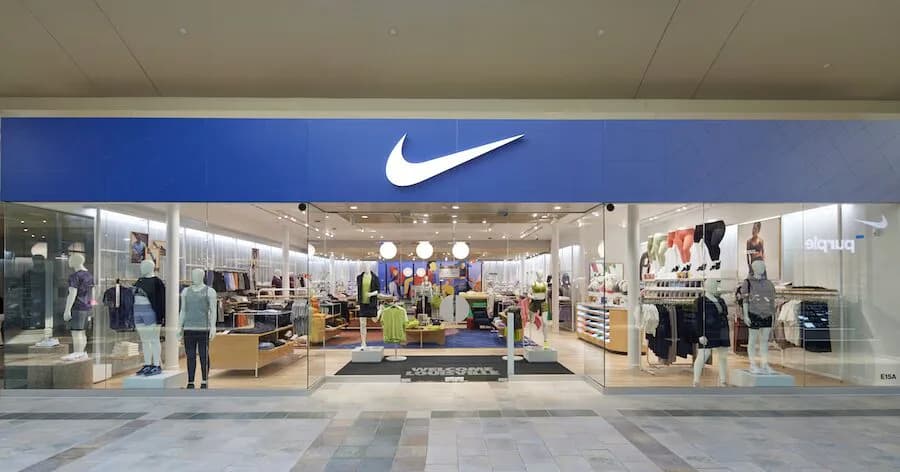
Nike is tightening its brick-and-mortar strategy, and Nike Live is taking the hit. Over the past several weeks, the company has quietly closed a wave of neighborhood concept stores across the U.S. as it recalibrates how physical retail fits into its growth plans. The focus: Nike closes select stores as it reshapes its retail footprint.
What’s happening
In late July, Nike, Inc. shut four more Nike Live locations in Tampa, Louisville, Lexington, The Woodlands, and Kansas City. These closures add to at least seven other exits reported over the past month, pushing the total into double digits in a short window.
The latest round hits relatively young stores. Tampa’s Hyde Park Village Nike Live opened in December 2021. Louisville’s Oxmoor Center location debuted in June 2023. Lexington’s shop at The Summit at Fritz Farm arrived in November 2022. The Woodlands store at Market Street in Texas opened in 2022, while Kansas City’s Country Club Plaza store came online in March 2023 after Nike had already tested the area with a previous site nearby between 2017 and 2021.
Earlier in July, Nike also closed Live-format locations in Atlanta’s Ponce City Market and Avalon, along with stores in San Jose, Hoboken, Cary (NC), Naperville (IL), and a non-Live store in Bethesda (MD). The speed and breadth of these moves underscore that this is not routine pruning; it is a deliberate shift.
Nike’s stated strategy
Nike has been explicit that this wave of closures ties directly to a broader portfolio rethink. In a statement aligned with its most recent earnings call, the company said it is regularly evaluating its store fleet and will continue to “elevate stores and streamline our physical retail footprint” to better align with its growth strategy.
In other words, Nike is not backing away from physical retail; it is trying to sharpen it. The company has poured resources into flagship experiences, owned digital channels, and tighter wholesale partnerships. Closing smaller or experimental concepts, even relatively new ones, is part of reallocating capital toward formats and locations that best support that mix.
What it means for Nike Live
Nike Live launched as a members-first neighborhood concept. The format leaned on several pillars:
-
Membership focus and mobile integration as core to the shopping journey.
-
Two-week merchandise rotations to keep assortments fresh and data-driven.
-
Localized curation based on search and purchase data in each trade area.
On paper, that model matched the direction of modern retail: smaller footprints, tighter editing, and digital-first engagement. In practice, the recent closures suggest Nike is deciding where, and how aggressively, that concept makes sense.
Shuttering Live stores does not mean the underlying ideas disappear. Nike can roll elements like rapid assortment change, localized product, and membership-led services into other formats, from larger flagship concepts to shop-in-shops with key retail partners. What’s changing is the footprint and number of standalone Live locations, not the brand’s interest in data-informed neighborhood retail.
Why close relatively new stores?
Several factors likely sit behind the decision:
-
Performance and productivity: Even well-designed concepts must justify square footage and operating costs. If sales and membership metrics do not meet targets, Nike will pivot quickly.
-
Market overlap: In premium malls and mixed-use centers, Nike now weighs the value of its own stores against strong wholesale accounts and e-commerce penetration in the same area.
-
Capital allocation: The brand has signaled that future growth will lean harder into digital, scaled flagships, and strategic wholesale. Maintaining a wide network of small-format doors may not fit that equation.
The fact that many of these stores opened between 2021 and 2023 also reflects how fast the environment has shifted. What made sense in the immediate post-pandemic retail rebound may look less compelling in today’s slower, more margin-sensitive climate.
What this means for consumers and the industry
For local consumers, the impact is straightforward: fewer Nike-branded neighborhood doors, more reliance on nike.com, the Nike app, and key partners like Foot Locker, Dick’s, JD, and regional players. In many of the impacted markets, those alternatives were already strong, which likely influenced the closure decisions.
For the broader industry, Nike Closes Select Stores as It Reshapes Its Retail Footprint is another sign that big brands are recalibrating after several years of aggressive direct-to-consumer expansion. The pendulum is moving toward a more balanced approach: fewer but stronger own stores, direct digital as the primary DTC engine, and a more selective but re-energized wholesale network.