TIME Recognition of Diana Flores Signals Flag Football’s Commercial Future
TIME putting Diana Flores on its radar is more than a personal win. It is a clear sign…
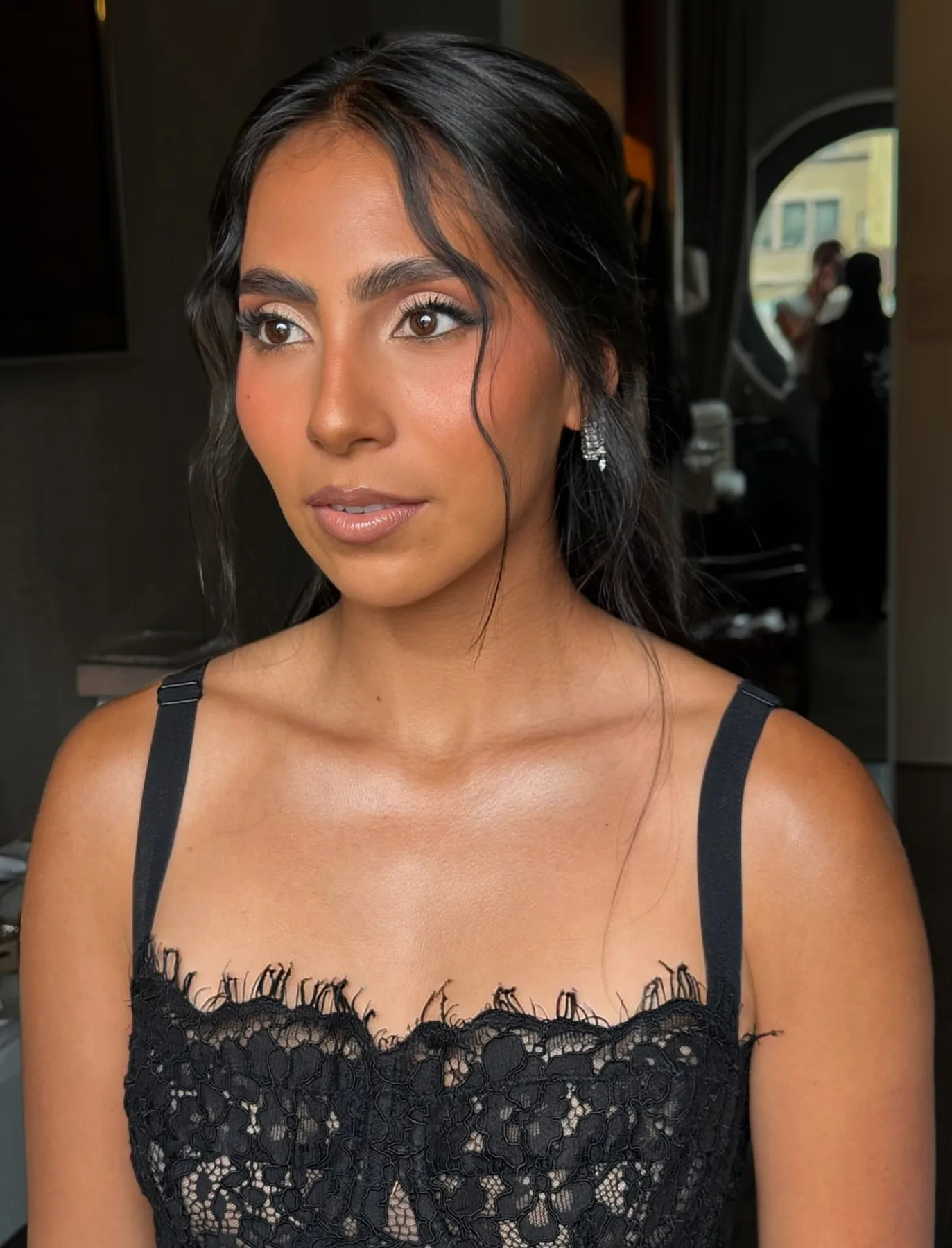
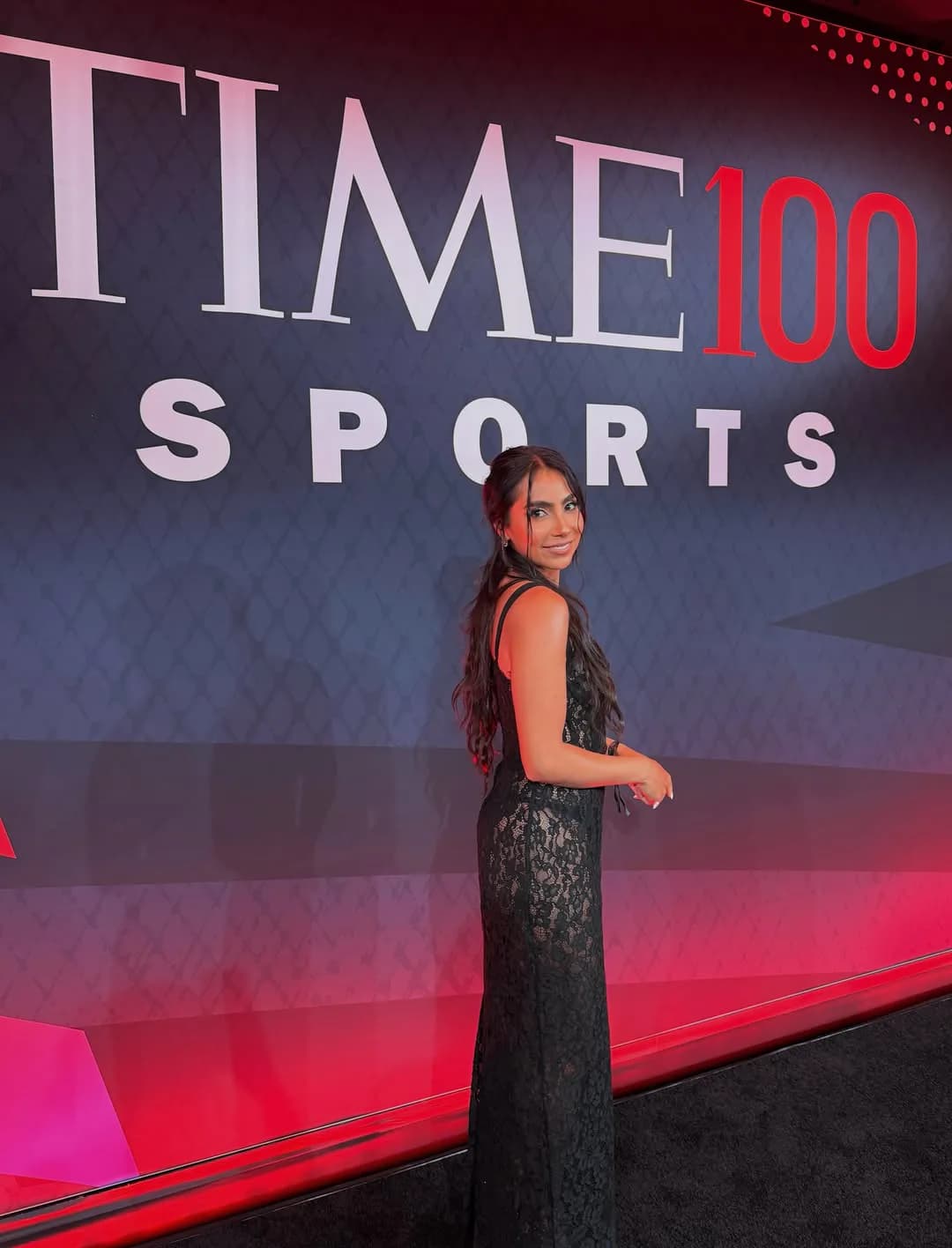
Photo gallery · 1 / 3Swipe to explore · 3 photos
TIME putting Diana Flores on its radar is more than a personal win. It is a clear sign that flag football is moving into a commercial, mainstream future that stretches well beyond niche status.
A TIME cover-level moment
TIME recently named Diana Flores to its list of the most influential people in sports, framing her as one of the key figures behind flag football’s rise toward the 2028 Olympics in Los Angeles. The profile highlights her path from an eight-year-old in Mexico City to quarterback and captain of a world champion national team. That arc gives TIME a narrative anchor and gives brands a face they can build around.
This recognition matters because TIME sits at the intersection of culture, politics, and commerce. When the magazine singles out an athlete, it signals to sponsors, leagues, and broadcasters that this person, and their sport, are worth long-term investment. For flag football, that means more visibility, more rights deals, and more appetite for structured leagues.
From viral ad to commercial asset
Flores was already familiar to casual fans before TIME’s nod. She fronted the NFL’s “Run With It” Super Bowl commercial, which brought flag football into the living rooms of tens of millions of viewers. That spot reframed the game as fast, inclusive, and youth-friendly, with a woman quarterback at the centre of the story rather than on the margins.
TIME’s recognition builds on that momentum. It positions Flores not just as the star of a one-off ad, but as a long-term ambassador for a sport that brands can plan around. For marketers, she checks several boxes at once: elite competitor, bilingual communicator, and symbol of a modern, gender-balanced version of football.
Olympic path and pipeline
Flag football’s confirmed debut at the 2028 Los Angeles Olympics sets a clear timeline for growth. Flores is widely expected to be one of the faces of that tournament, both on the field and in campaigns that surround it. That gives sponsors four full years to build storylines with her at the centre.
This runway aligns perfectly with how commercial ecosystems grow around new Olympic sports. Youth participation, school programs, and collegiate scholarships are already expanding. TIME’s spotlight amplifies that ecosystem, making it easier for federations and brands to pitch flag football as a credible long-term offering rather than a passing trend.
Why this matters for brands
TIME’s recognition of Diana Flores signals that flag football has crossed a key threshold: it now has a star who carries both sporting and cultural weight. That changes how brands think about the category. Instead of treating flag as a grassroots program, they can see it as a space for premium partnerships, apparel lines, and content series built around a recognisable protagonist.
For players, fans, and collectors, TIME’s Recognition of Diana Flores Signals Flag Football’s Commercial Future reads like a preview of what is coming next. Expect more campaigns, more global events, and more crossovers with mainstream fashion and footwear as the sport leans into its Olympic moment. Flores’s appearance in TIME confirms that this movement is not theoretical anymore, it is already happening, and the commercial world is paying attention.