DR Congo’s Leopard Print Arrival Steals the Show at the World Cup
DR Congo’s return to the World Cup after 52 years was already one of the tournament’s best storylines.…
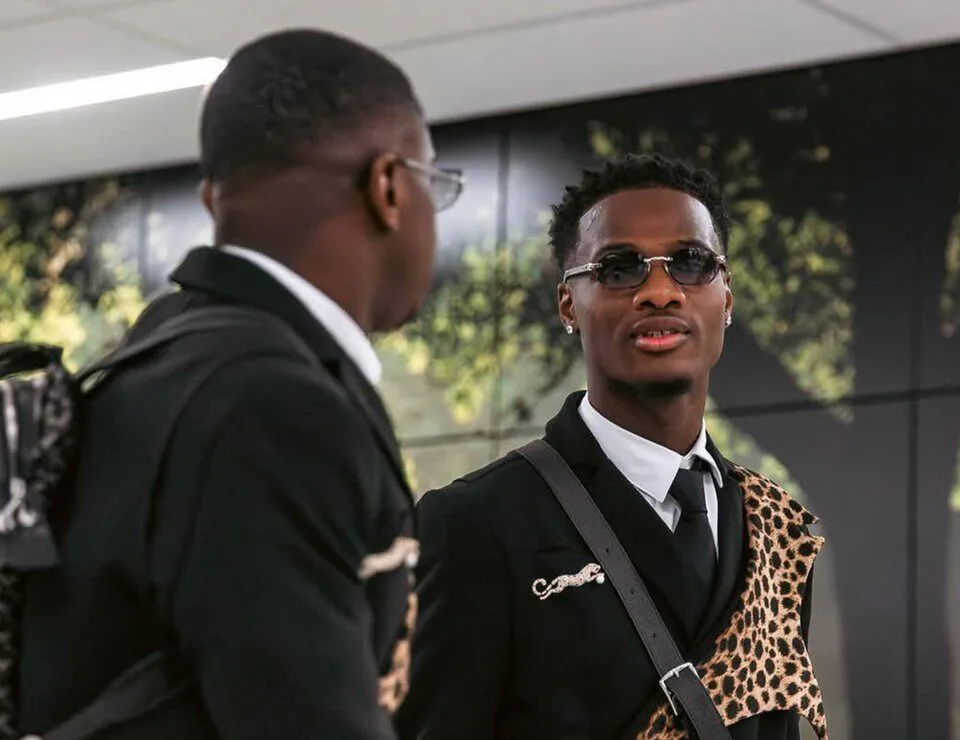
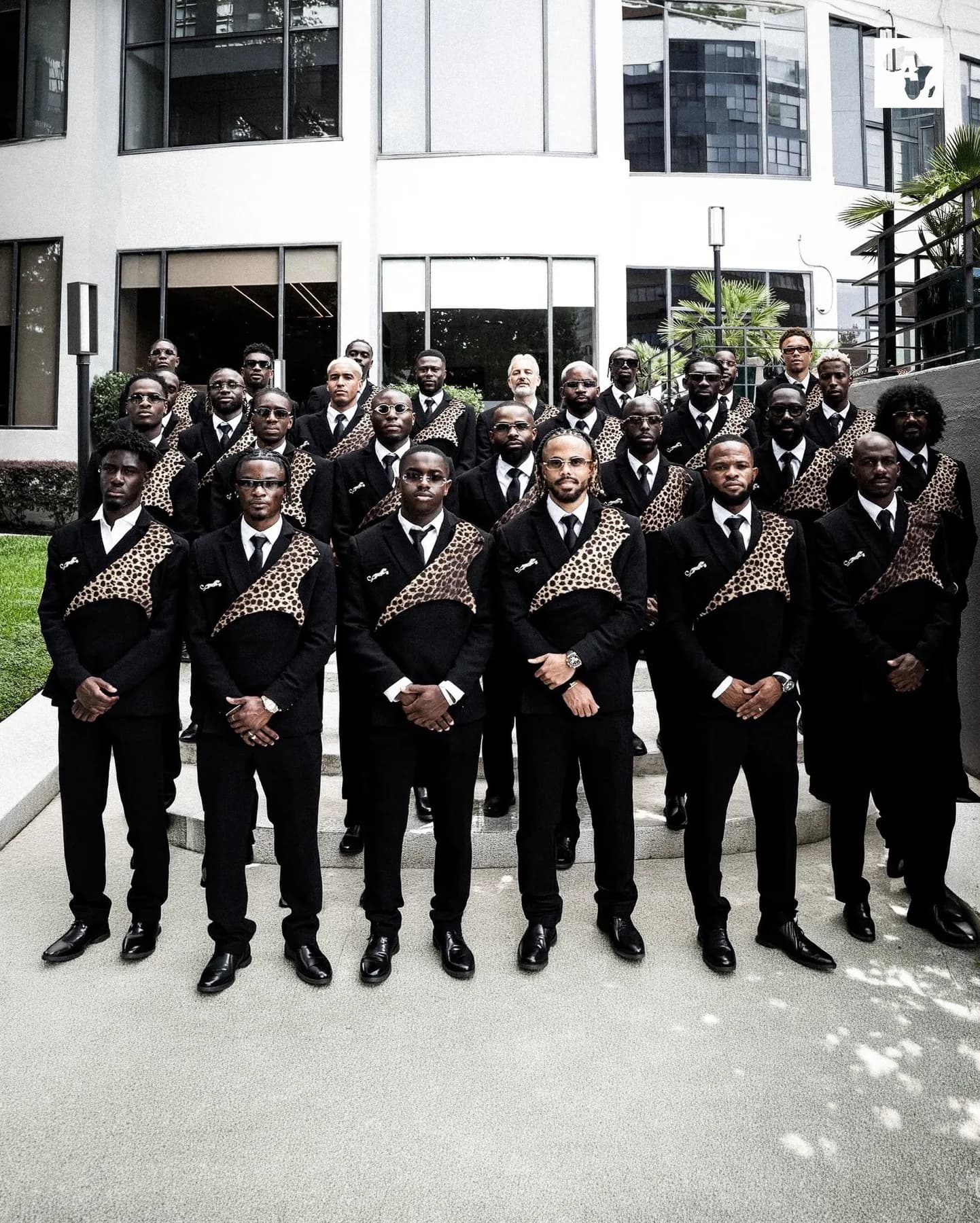
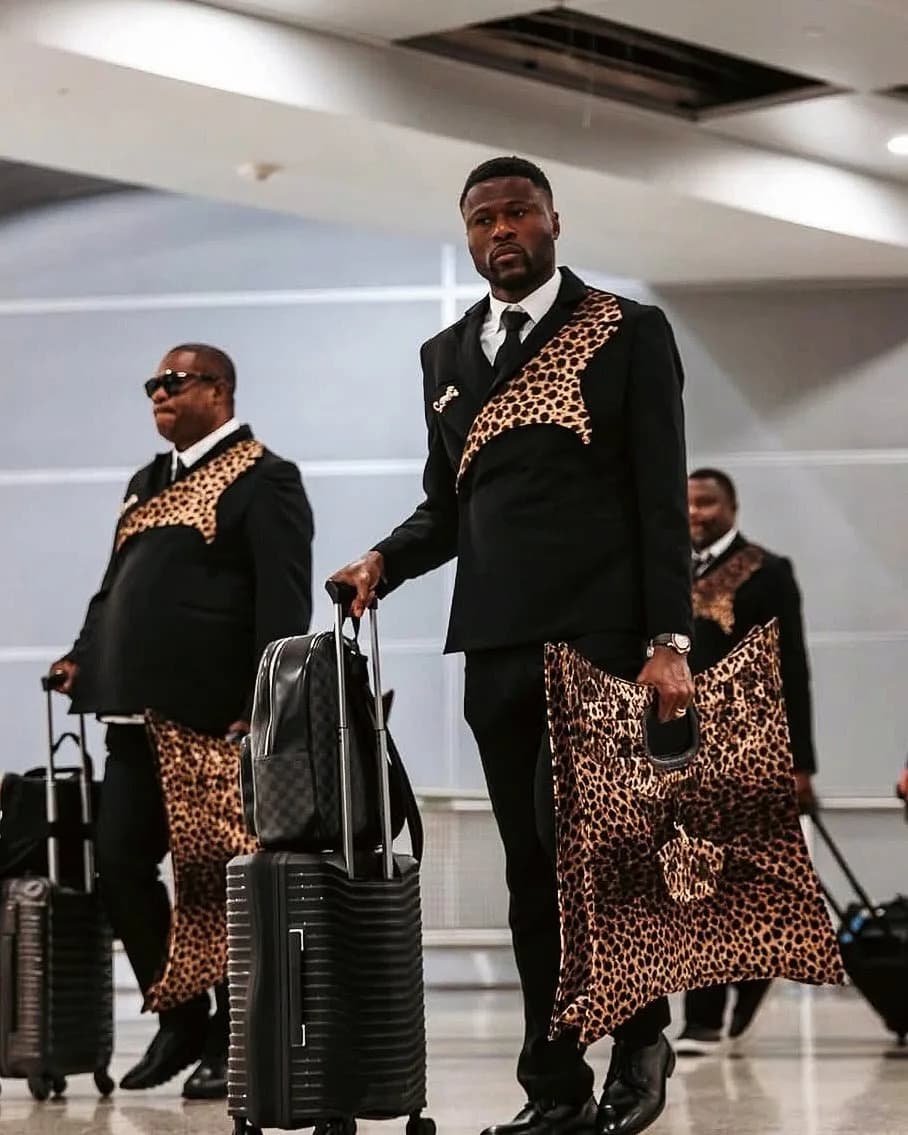
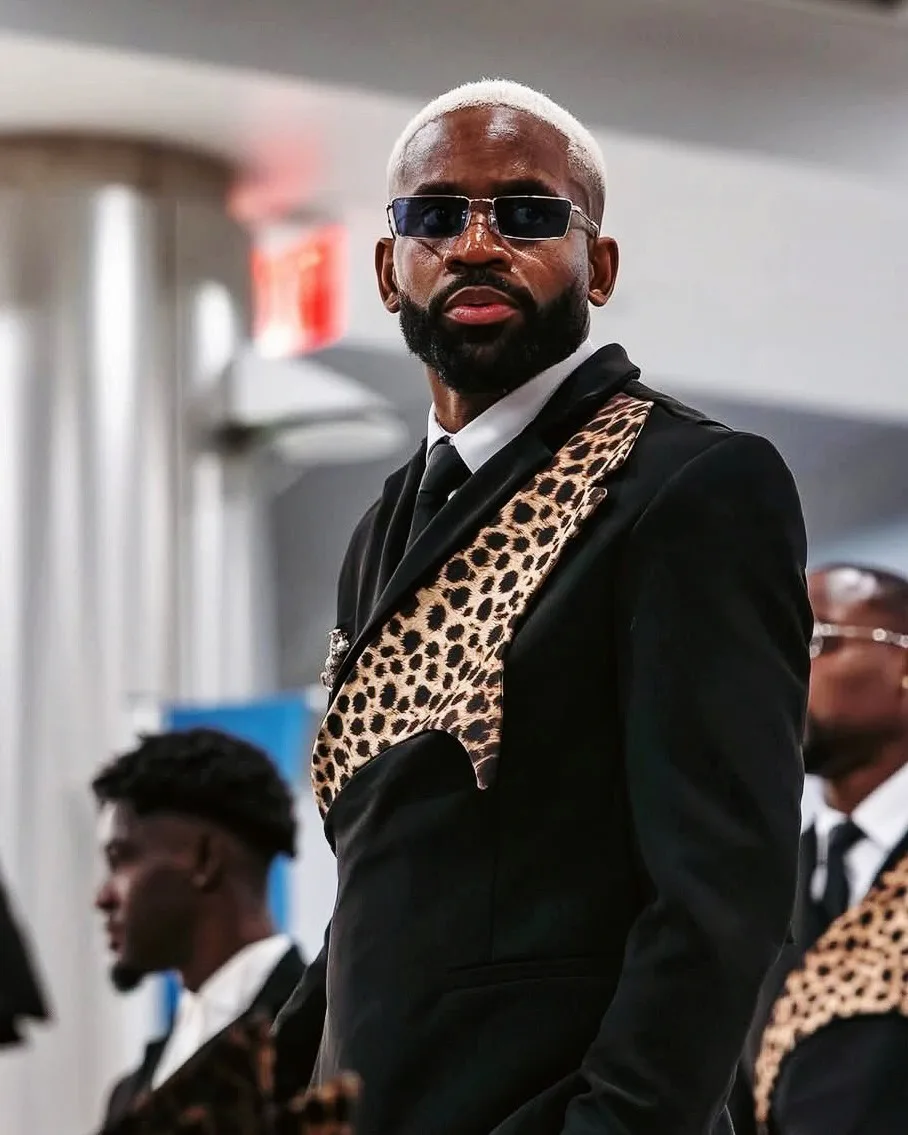
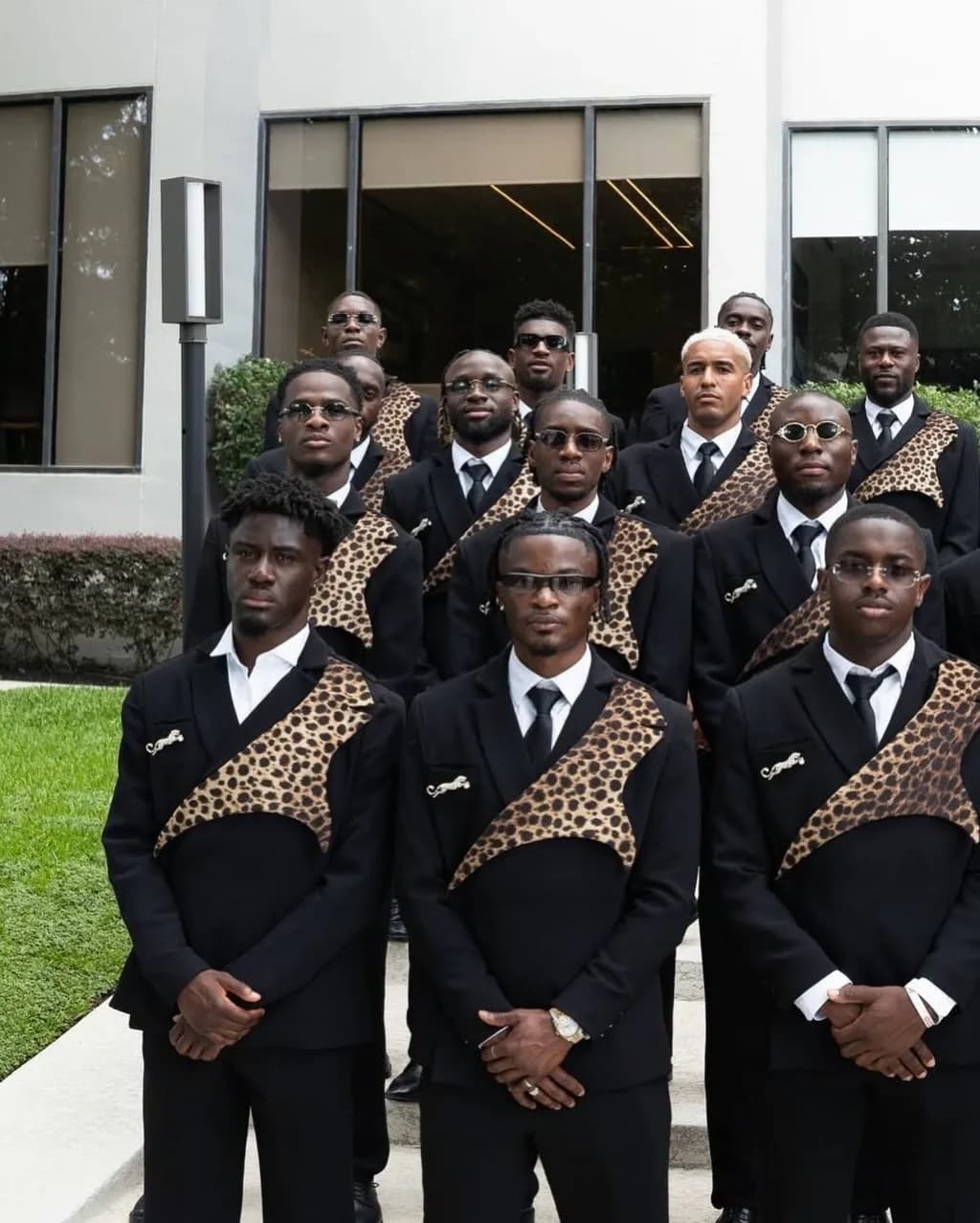
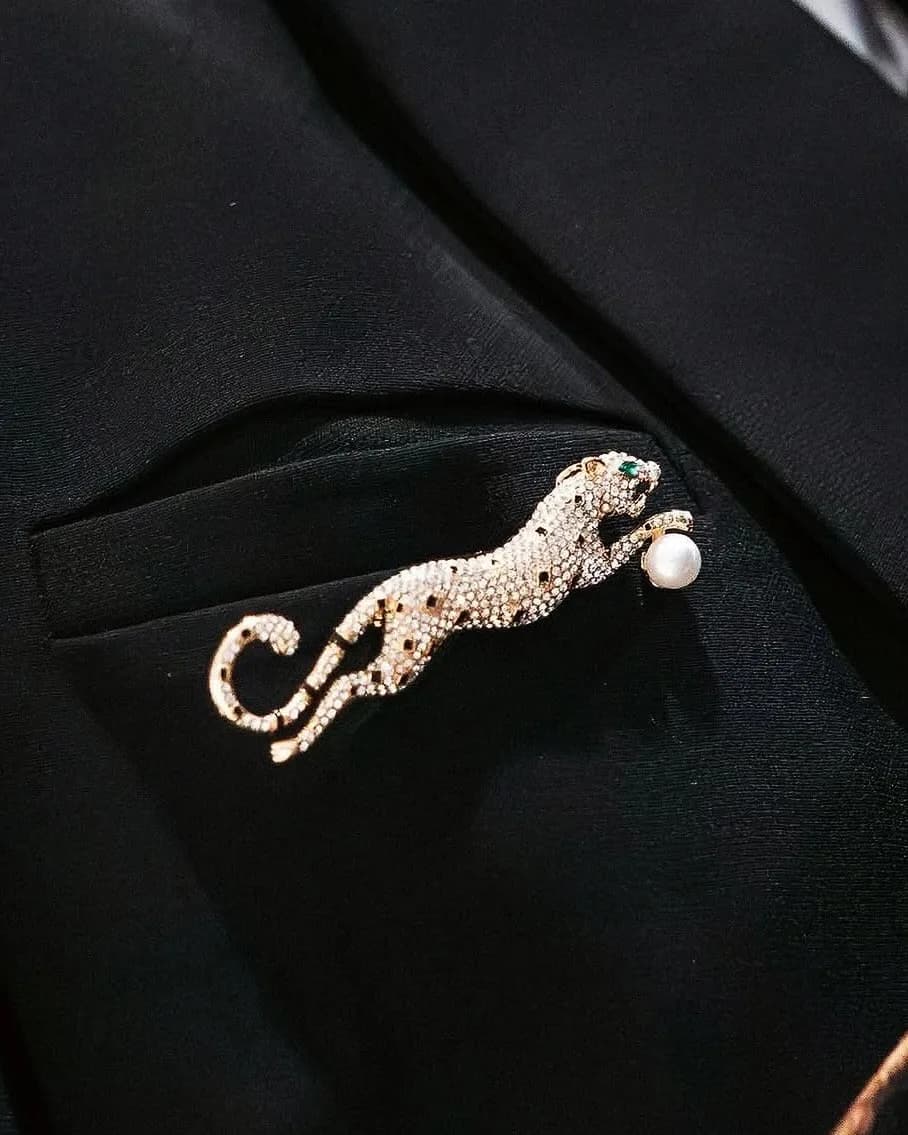
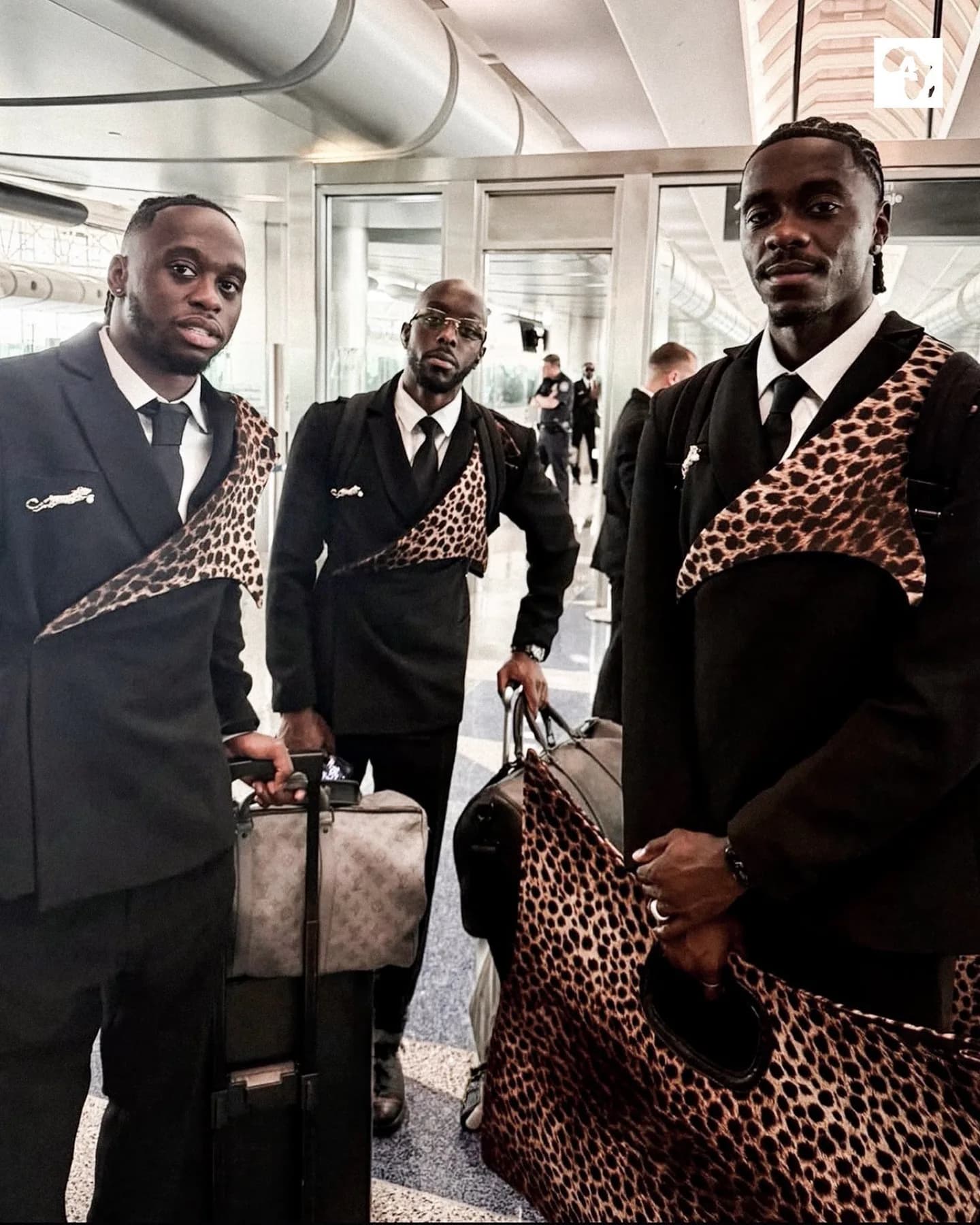
Photo gallery · 1 / 7Swipe to explore · 7 photos
DR Congo’s return to the World Cup after 52 years was already one of the tournament’s best storylines. Their arrival look made it even bigger. Walking into the spotlight in matching leopard-print fits by emerging designer Alvin Jmak, the Leopards turned a historic football comeback into a fashion and culture moment that traveled far beyond the pitch.
A historic return with a visual statement
Coming back to the World Cup after more than five decades carries emotional weight on its own. The team could have played it safe with standard suits or federation tracksuits. Instead, they chose a look that said, immediately and unmistakably, “We are the Leopards, and we are here on our own terms.”
The coordinated leopard print worked as an instant visual headline. It tied the squad directly to the national team nickname while radiating confidence and unity. As soon as images hit social media, the fit became part of the story: not just DR Congo back on football’s biggest stage, but DR Congo arriving as a style force too.
Leopard print as identity, not gimmick
Leopard print can easily tip into costume when handled badly. Here, it read as identity. The pattern connected directly to DR Congo’s long-running “Leopards” moniker, turning something that usually lives on jerseys and crests into a full-fit expression. The players didn’t just wear the animal on their chests; they embodied it from head to toe.
Crucially, the styling felt intentional rather than loud for the sake of it. Clean silhouettes, consistent cuts and a unified palette made the print look sharp instead of chaotic. The effect was less “novelty” and more “team uniform reimagined for the tunnel,” which is exactly how modern football style lives online.
Elevating an emerging designer on a global stage
Choosing Alvin Jmak, an emerging designer, added another layer to the moment. Instead of partnering with an established luxury house, DR Congo used their World Cup return to spotlight new talent from their own creative community. That decision turned the arrival into a rare kind of platform: one that boosts both the team and a young designer in a single frame.
For Jmak, seeing his work walk into a World Cup, worn by an entire national squad, instantly shifts his visibility. For the broader fashion and sportswear world, it sends a signal: elite football style does not have to come only from the biggest European labels. It can also be born from designers who understand the country’s symbols, stories and swagger from the inside.
Football, fashion and national pride
World Cup arrivals now operate like mini runway shows. DR Congo’s leopard looks fit perfectly into that ecosystem while still feeling deeply rooted in national pride. The print evoked strength, speed and fearlessness, classic sport metaphors, but it also read as a celebration of Congolese spirit and aesthetic.
For fans at home and across the diaspora, those images hit differently. They did not just see a team stepping into a tournament. They saw their nickname, their colors and their creative talent front and center on the world stage. That kind of representation matters, especially after a 52-year absence. It makes the World Cup return feel like a cultural reset as much as a sporting one.
Why this arrival will be remembered
In every World Cup, a few arrival fits break out of the usual feed and enter tournament lore. DR Congo’s leopard-print moment has all the ingredients: a long-awaited comeback, a bold visual hook and a story that ties fashion directly to identity. Years from now, highlight packages and nostalgia threads will still pull those images as shorthand for the Leopards’ return.
For football, it’s another reminder that style now sits at the heart of how teams introduce themselves to the world. For fashion watchers, it’s proof that some of the most exciting tunnel moments come from national teams willing to lean into their own symbols and emerging designers. And for DR Congo, it marks the start of this World Cup chapter exactly how they wanted it: united, unmistakable and impossible to ignore.