10 Luxury Footwear Brands Ranked by Brand Equity
Brand equity in luxury footwear isn’t just about who’s ‘hot’ this season. It’s about who can hold price,…
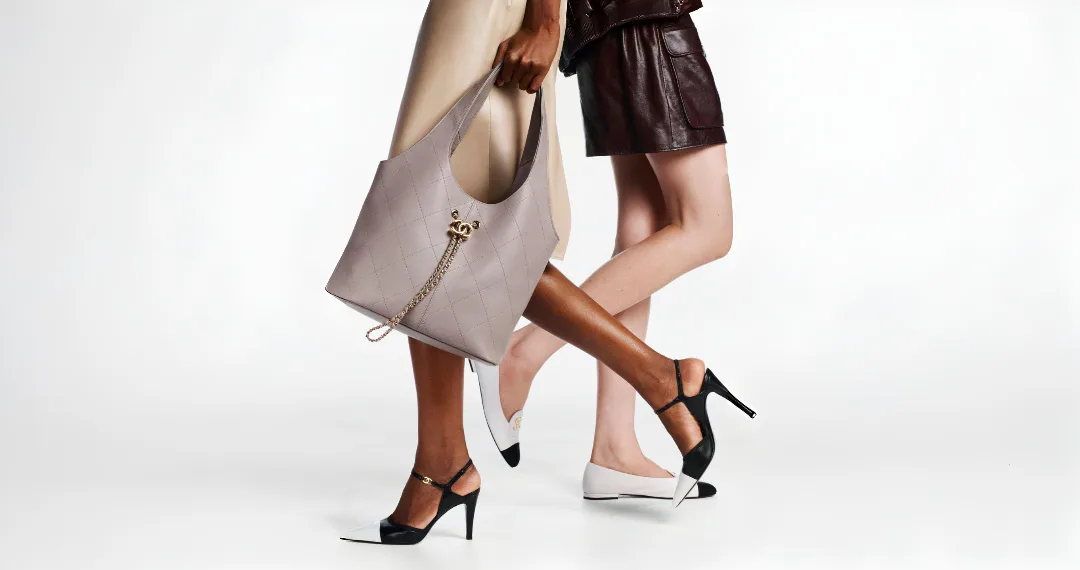
Brand equity in luxury footwear isn’t just about who’s ‘hot’ this season. It’s about who can hold price, command attention on sight, and stay desirable even after the first owner is done with them. The strongest names have built a kind of long term trust: signature codes you can recognize from across a room, retail pricing power that rarely blinks, and a resale ecosystem that keeps demand alive between collections. In other words, equity built over decades, not seasons.
The Top 10 Ranking by Brand Equity
| Rank | Brand | Why the equity holds |
|---|---|---|
| 1 | Chanel | Icon status, consistent demand, and classic silhouettes retain strong resale and recognition. |
| 2 | Hermès | Extreme pricing power, ‘quiet’ prestige with high retention, and collector behavior. |
| 3 | Christian Louboutin | Instant visual code (red sole) and enduring occasion/party heel dominance. |
| 4 | Gucci | Global logo equity, strong fashion nostalgia cycles that support resale. |
| 5 | Prada | Minimalist authority, runway to street relevance with staples keeping value resilient. |
| 6 | Dior | House prestige, consistent hero styles, and strong gifting and occasion pull. |
| 7 | Saint Laurent | Sharp, wearable glamour, dependable black leather staples with resale demand. |
| 8 | Valentino | Signature hardware/motifs and event dressing strength; recognizable, collectible eras. |
| 9 | Manolo Blahnik | Cultural legacy (occasion/bridal) and timeless design credibility across decades. |
| 10 | Jimmy Choo | Red carpet recognition and accessible-lux positioning that sustains demand. |
Detailed Brand Profiles
1. Chanel
[
View this post on Instagram
](https://www.instagram.com/p/DR7UBELjG_I/?utm_source=ig_embed&utm_campaign=loading)
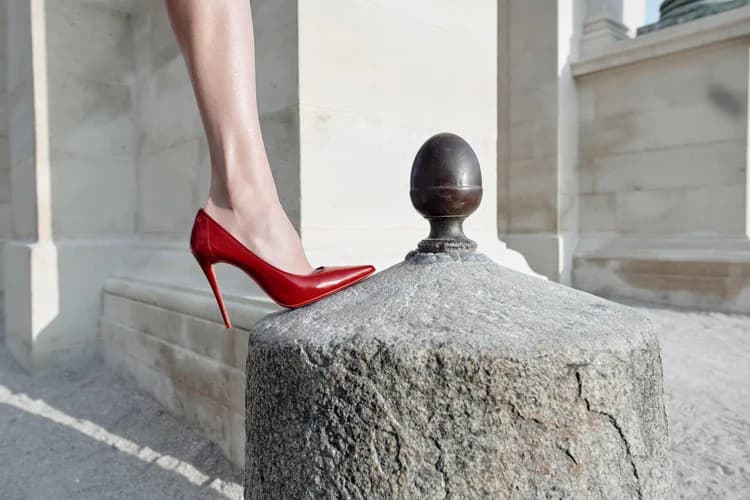
Chanel’s footwear equity is anchored in its role as the ultimate shorthand for Parisian luxury, supported by icons that stay relevant well beyond a single season. The Two Tone Slingback shows this clearly with a classic, instantly recognizable silhouette and color code that supports firm full price positioning, drives repeat buying and gifting, and delivers reliable resale strength as a core style rather than a trend piece.
2. Hermès
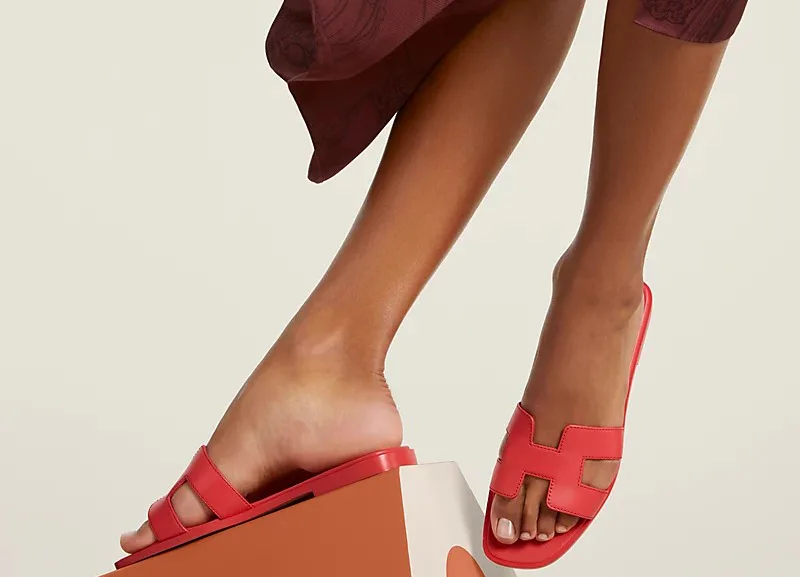
Credit: Hermès
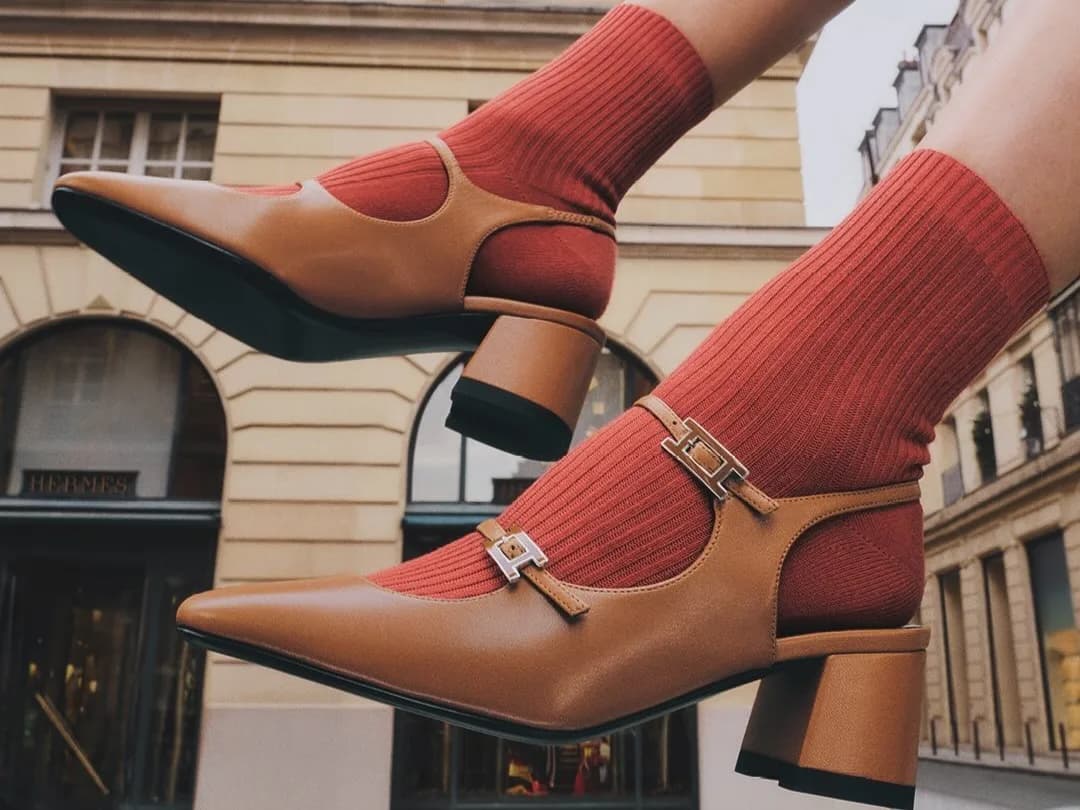
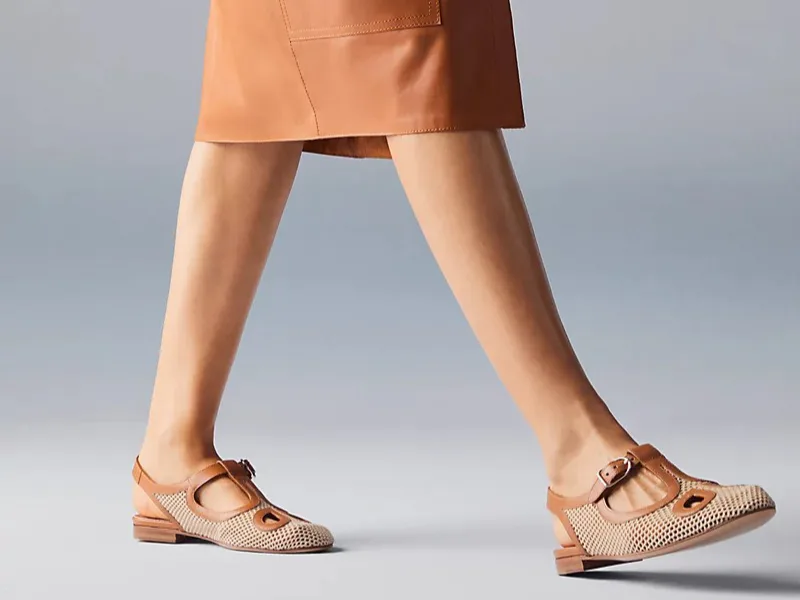
Hermès’ footwear equity is anchored in a quiet, unmistakable, and seasonless expression of luxury that underpins exceptional pricing power without needing overt logos. The Oran Sandal shows this clearly as a minimal, instantly readable “H” silhouette that drives repeat buying and collector behavior, keeping demand and resale interest strong without relying on hype cycles.
3. Christian Louboutin
[
View this post on Instagram
](https://www.instagram.com/p/DQHFnTDEbik/?utm_source=ig_embed&utm_campaign=loading)
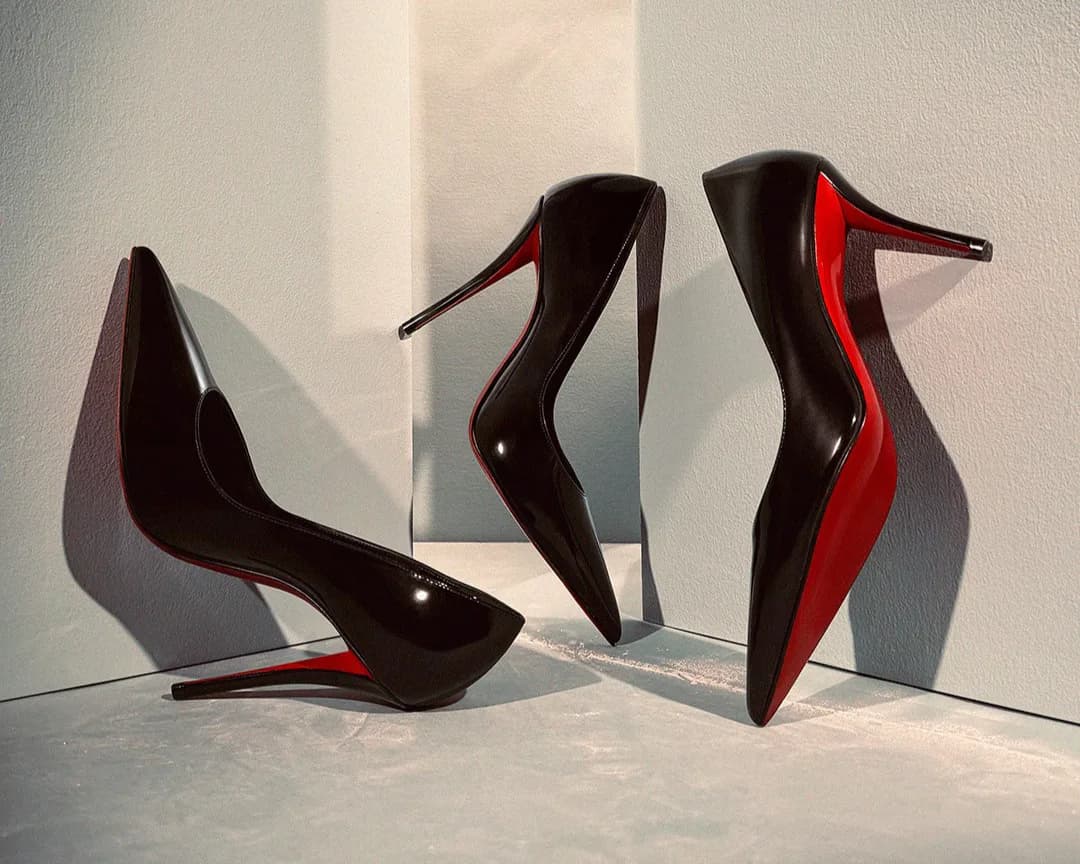
Christian Louboutin’s footwear equity is anchored in an instant visual code, with the red sole operating as a global shorthand for occasion heel luxury. The Pigalle Pump demonstrates this position as a sharp, branded silhouette that cuts across ages and markets, reinforcing Louboutin’s role in event, bridal, and ‘first statement heel’ purchases while keeping core colors and key heel heights in steady primary and resale demand.
4. Gucci
[
View this post on Instagram
](https://www.instagram.com/p/DNaQU48Oe-D/?utm_source=ig_embed&utm_campaign=loading)
Gucci’s footwear brand equity leans on global logo recognition and a deep archive that regularly feeds fashion nostalgia. The Horsebit Loafer concentrates that equity into one heritage design that the brand brings back in multiple eras without losing its core identity. Because it moves in and out of the spotlight while never disappearing from the offer, it supports steady full price sell through in retail and recurring demand on the resale side whenever classic versions and key collaborations reappear.
5. Prada
[
View this post on Instagram
](https://www.instagram.com/p/B2CTwmvDbyy/?utm_source=ig_embed&utm_campaign=loading)
Prada’s footwear equity is anchored in minimalist authority and a stable core of styles that translate runway ideas into everyday luxury without losing their edge. The Monolith Boot sits inside that system as a recurring, instantly readable shape that reinforces Prada’s pricing power and keeps the brand desirable across fashion cycles, gifting moments, and resale driven demand.
6. Dior
[
View this post on Instagram
](https://www.instagram.com/p/BypHgx3AAeJ/?utm_source=ig_embed&utm_campaign=loading)
Dior’s footwear equity is anchored in house prestige and a stable rotation of hero styles that feel instantly feminine, luxurious, and photogenic at first sight. The J’Adior Slingback shows this position as a branded, highly giftable silhouette that works across age groups and markets, reinforcing Dior’s role in occasion, bridal, and ‘first luxury shoe’ purchases with consistent global demand and strong resale appeal.
7. Saint Laurent
[
View this post on Instagram
](https://www.instagram.com/p/DRUjQK6ieCF/?utm_source=ig_embed&utm_campaign=loading)
Saint Laurent’s footwear brand equity is anchored in sharp, wearable glamour that has remained consistent through multiple creative director changes. The brand’s reliance on black leather heels, with the Tribute Sandal as a recurring reference, keeps Saint Laurent associated with high heel luxury at firm price points. That consistency supports steady demand and helps sustain resale interest in core black styles linked to this image.
8. Valentino
[
View this post on Instagram
](https://www.instagram.com/p/DSXfz-aiPhC/?utm_source=ig_embed&utm_campaign=loading)
Valentino’s footwear brand equity is reinforced by a clear visual language that makes the brand easy to recognize in photos and in stores. The continued use of Rockstud Pumps across collections keeps Valentino associated with a specific, studded look that stands out against more minimal competitors. By returning to this formula at premium prices and limiting drastic changes to the core idea, Valentino supports its positioning and sees ongoing interest when Rockstud styles appear on the resale market.
9. Manolo Blahnik
[
View this post on Instagram
](https://www.instagram.com/p/DOYmhsQjAiy/?utm_source=ig_embed&utm_campaign=loading)
Manolo Blahnik’s footwear brand equity is built on cultural legacy and long term design credibility rather than trend cycles, with the Hangisi Pump often used as the key reference point. The brand’s position in bridal and occasion dressing is reinforced by how frequently this model appears in wedding edits, films, and red carpet coverage, which keeps Manolo Blahnik front of mind at higher price points. That visibility, combined with steady demand for the Hangisi across seasons, helps the brand maintain firm pricing in retail and supports strong resale interest in its most recognizable executions.
10. Jimmy Choo
[
View this post on Instagram
](https://www.instagram.com/p/DTs3g7nDKVI/?utm_source=ig_embed&utm_campaign=loading)
Jimmy Choo’s footwear brand equity is anchored in red carpet visibility and an accessible luxury price tier that keeps the label in steady rotation for occasion dressing worldwide. The brand’s reliance on the Romy Pump as a recurring, recognizable option helps reinforce that positioning across department stores, boutiques, and celebrity styling. By consistently showing up in event coverage and formalwear edits, Jimmy Choo maintains demand at its chosen price level and sees ongoing resale interest in Romy pairs that align with those high visibility moments.