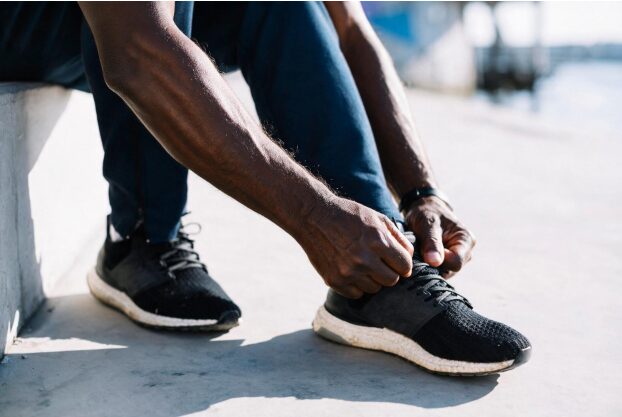





The premier running shoes released in 2026 are defined by their specialized solutions rather than a singular design philosophy. While some models prioritize plush cushioning for recovery, others focus on mechanical flexibility or responsive energy return without the aggressive nature of a dedicated racing flat. Ultimately, “excellence” is subjective, depending entirely on the runner’s gait, intended pace, and surface; a shoe that feels energetic during a 5K may lack the necessary stability during the final miles of a marathon.
Core Comparisons: Five Models for Five Distinct Roles
| Model | Best use | Standout change |
|---|---|---|
| ASICS Novablast 6 | Versatile daily miles | FF TURBO SQUARED forefoot pod for a springier toe-off |
| Nike Pegasus 42 | One-shoe road rotation | Curved full-length Air Zoom unit and roomier forefoot |
| Saucony Triumph 24 | Easy and long runs | New incrediLUX foam with more cushioning at lower weight |
| Brooks Glycerin Flex | Natural foot movement | Segmented flex design paired with DNA TUNED cushioning |
| Puma Velocity NITRO 5 | Durable everyday training | Updated NITROFOAM, 8 mm drop and PUMAGRIP outsole |
These functional categories provide more utility than a traditional ranking system. Since manufacturer specifications cannot account for individual variances in heel hold or arch pressure, runners should evaluate each pair at the specific intensities they intend to train at most frequently.
ASICS Novablast 6: Optimized Forefoot Propulsion
The Novablast 6 represents a significant evolution in the series, introducing FF TURBO SQUARED foam to the forefoot pod. Supported by FF BLAST MAX cushioning and high-traction ASICSGRIP rubber, it is designed for runners seeking a versatile trainer capable of handling everything from recovery miles to steady-state efforts. However, the pronounced bounce requires careful evaluation; what one runner perceives as energetic, another may find unstable. It is advisable to test these at pace rather than relying on a casual stroll.
Nike Pegasus 42: Reimagining the Air Zoom Architecture
The Pegasus 42 marks a departure from traditional setups, replacing independent heel and forefoot units with a curved, full-length Air Zoom unit. Integrated with ReactX foam and a roomier forefoot last, the shoe weighs approximately 300 grams (Men’s US 10) with a 10 mm drop. While its weight may limit its utility for high-speed interval work, its broad performance envelope makes it an ideal selection for daily mileage and moderate aerobic runs.
Interpreting Specifications: Trends Versus Guarantees
Runners often scrutinize stack heights and proprietary foam names without considering how the geometry aligns with their specific gait. In this sense, shoe specifications should be treated with the same skepticism as complex sports analytics; they represent probabilities rather than certainties. For example, in cricket betting, statistical data on pitch conditions and recent form can suggest a trend, but they cannot account for real-time variance or environmental shifts. Similarly, a shoe’s technical data describes its general tendency, but a functional purchase requires a real-world fit test to confirm how those metrics translate to the pavement.
Saucony Triumph 24: Engineering for High-Volume Protection
Saucony’s Triumph 24 features the new ATPU-based incrediLUX midsole, which reportedly increases cushioning by 11% while reducing weight by 0.4 ounces. Paired with a durable XT-900 outsole, this model is engineered for the high-volume runner prioritizing impact protection. While the plush sensation is excellent for dampening road harshness, it may slightly diminish ground feel, making it best suited for easy-paced recovery days where comfort is paramount.
Brooks Glycerin Flex: Prioritizing Natural Biomechanics
The Glycerin Flex utilizes segmented grooves to ensure the platform articulates with the foot’s natural motion, all while maintaining the softness of DNA TUNED cushioning. This design targets runners who find modern rocker geometries too restrictive. However, increased flexibility places different demands on the lower leg; runners accustomed to rigid trainers should introduce this model gradually into their rotation to allow for neuromuscular adaptation.
Puma Velocity NITRO 5: The Dependable Training Partner
Released in July, the Puma Velocity NITRO 5 features an updated foam composition and a higher stack height while maintaining its 8 mm drop. Known for its exceptional PUMAGRIP outsole, this shoe excels on damp roads and predictable daily runs. It is perhaps the most straightforward option in the 2026 lineup. A dependable neutral trainer for those who already own specialized racing shoes and need a consistent partner for everyday miles. The pair that eventually becomes your favorite is usually the one that disappears from your mind during the run.
Author Profile
Latest entries
 ShoesAugust 13, 2026Diversified Performance: Navigating the 2026 Running Shoe Landscape
 FashionAugust 12, 2026HOFF Elevates the Bridge With a New Jacquard Limited Edition
 FashionAugust 12, 2026adidas Originals and Willy Chavarria Launch the Pink Megaride AG
 BettingAugust 11, 2026How Matchday Betting Reset the Footwear Retail Calendar