Shakira Brings Her Signature Barefoot Style to World Cup Final Halftime Show
Shakira used the World Cup 2026 Final to reaffirm a stage identity she has been building for decades.…
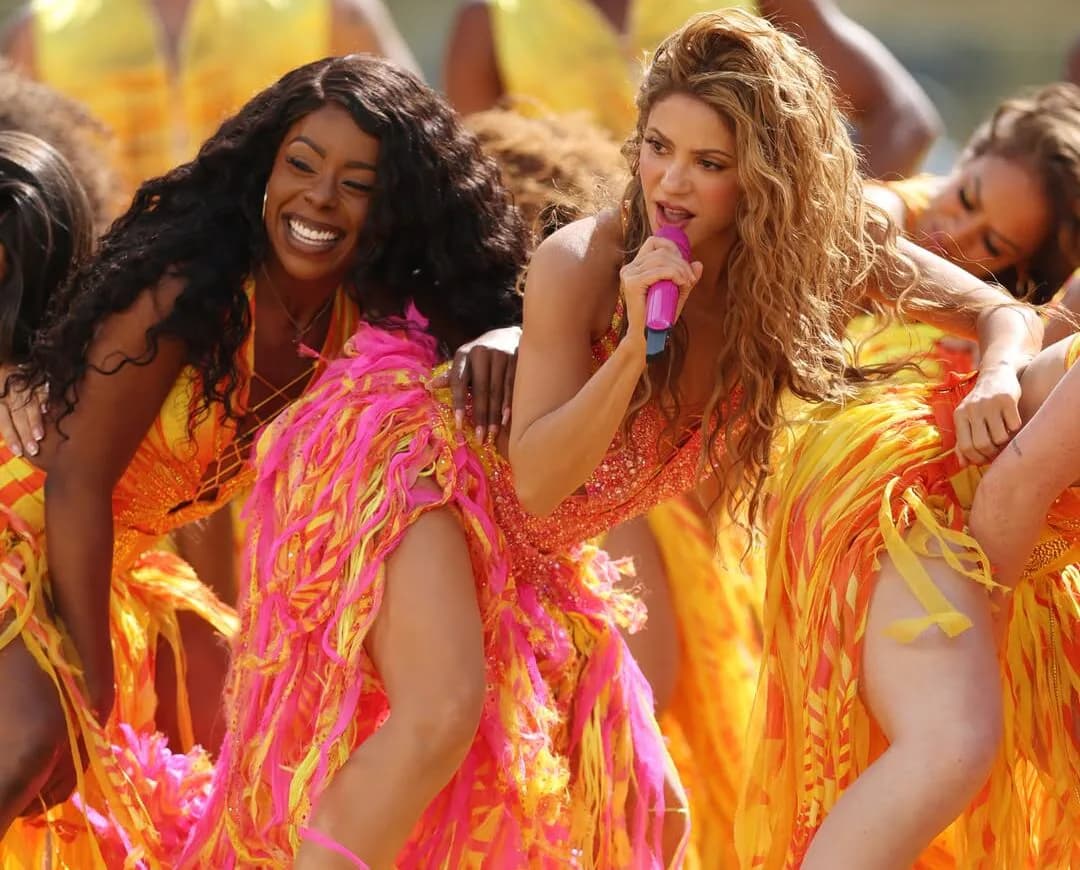
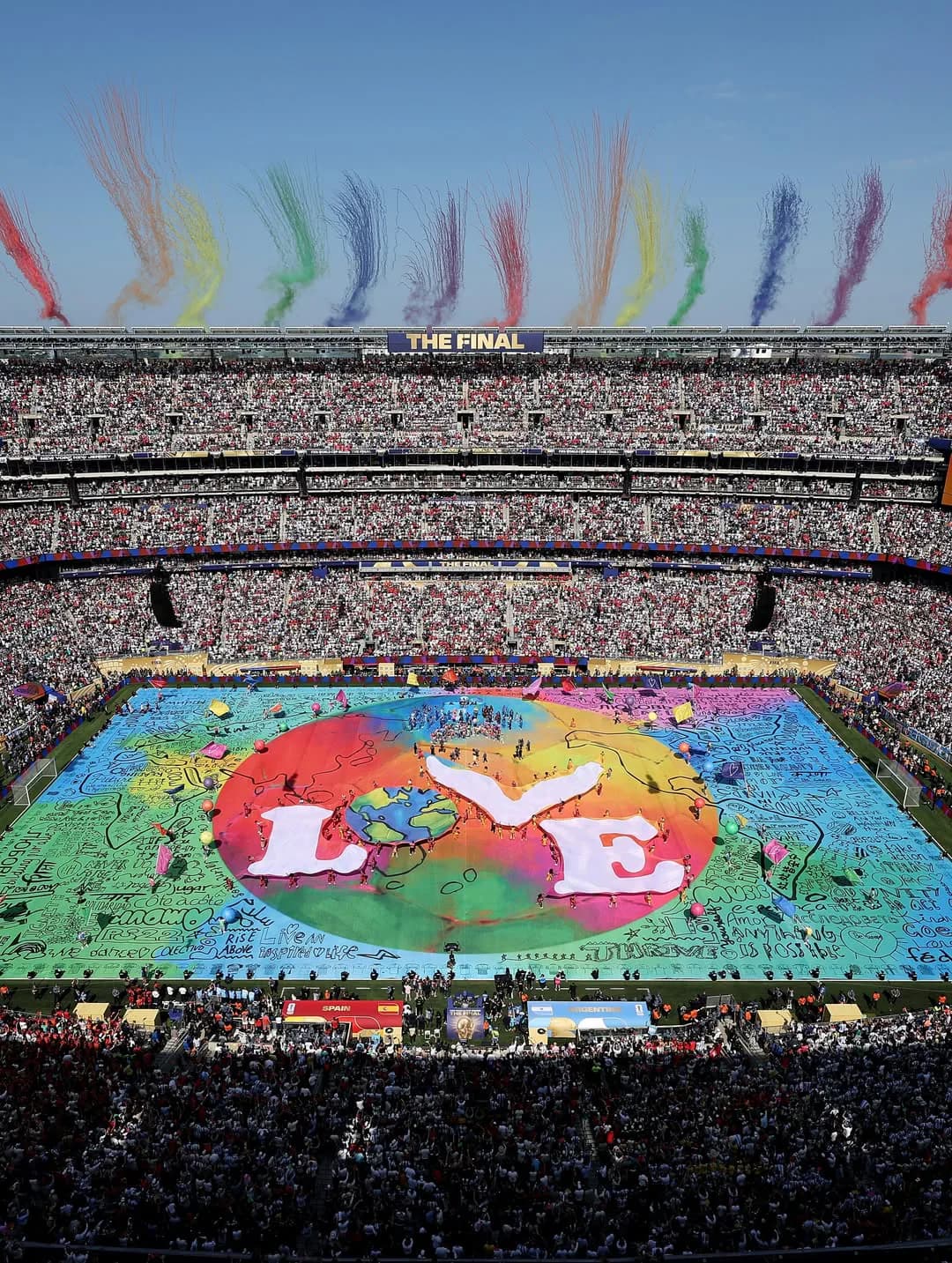
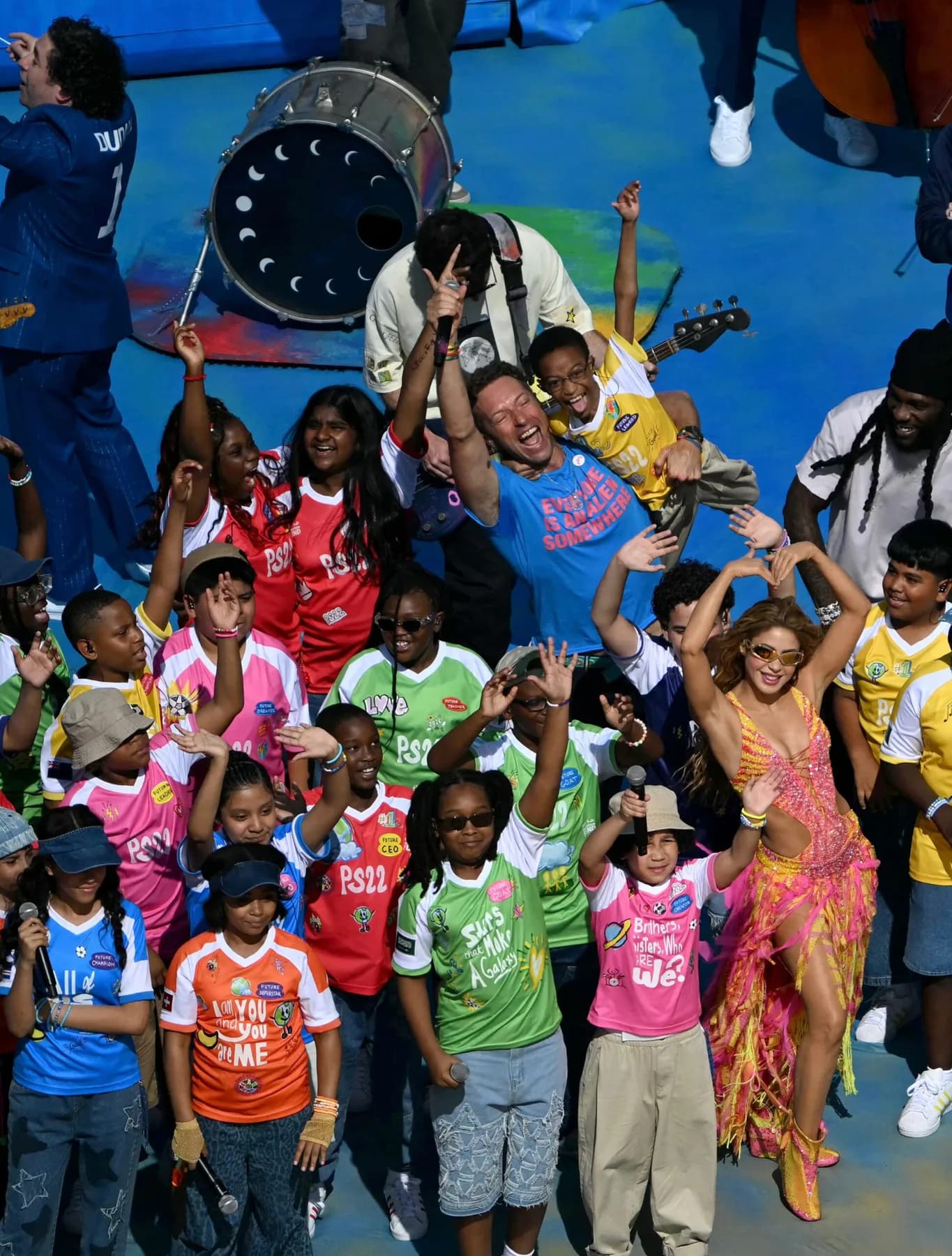
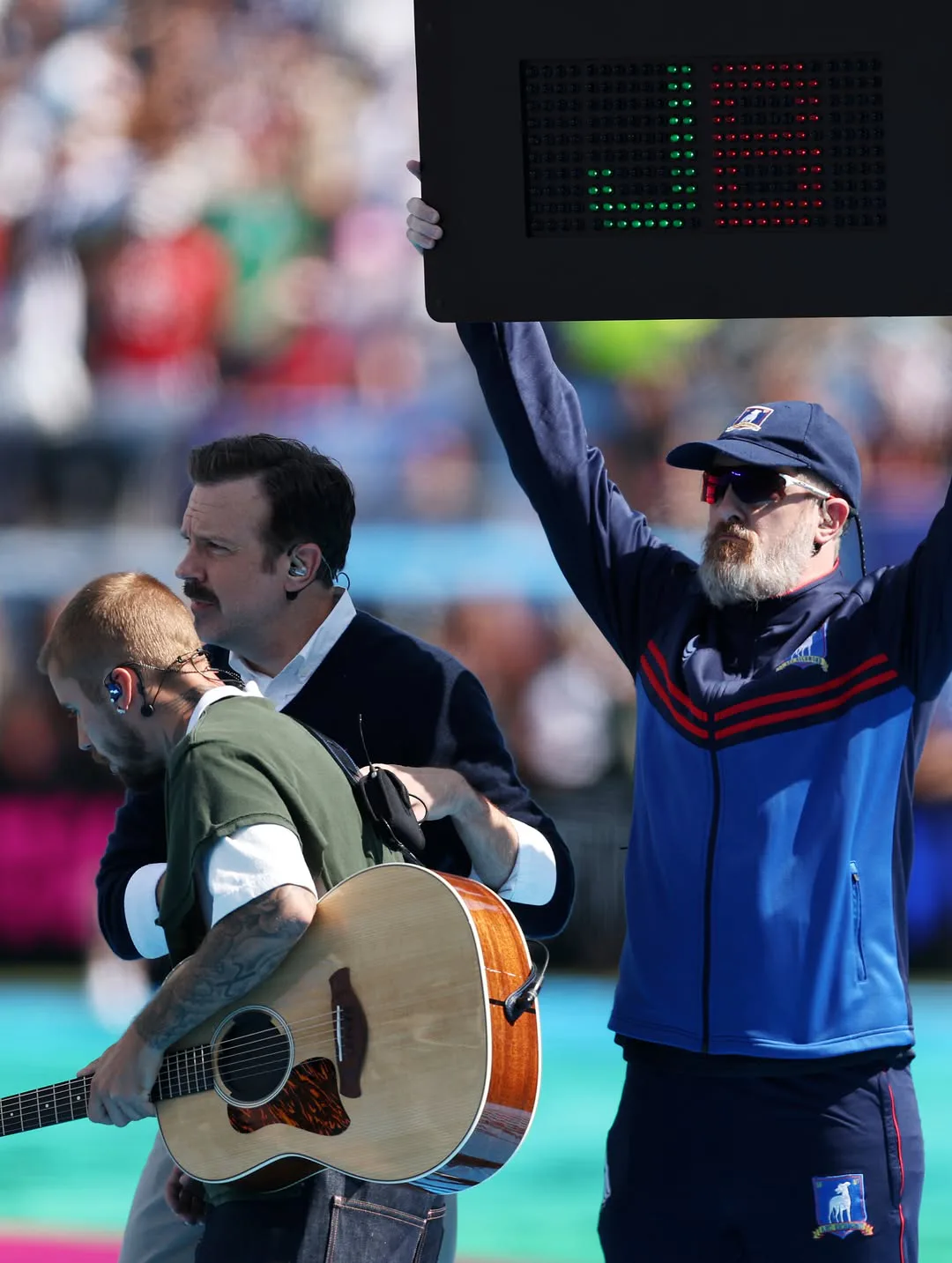
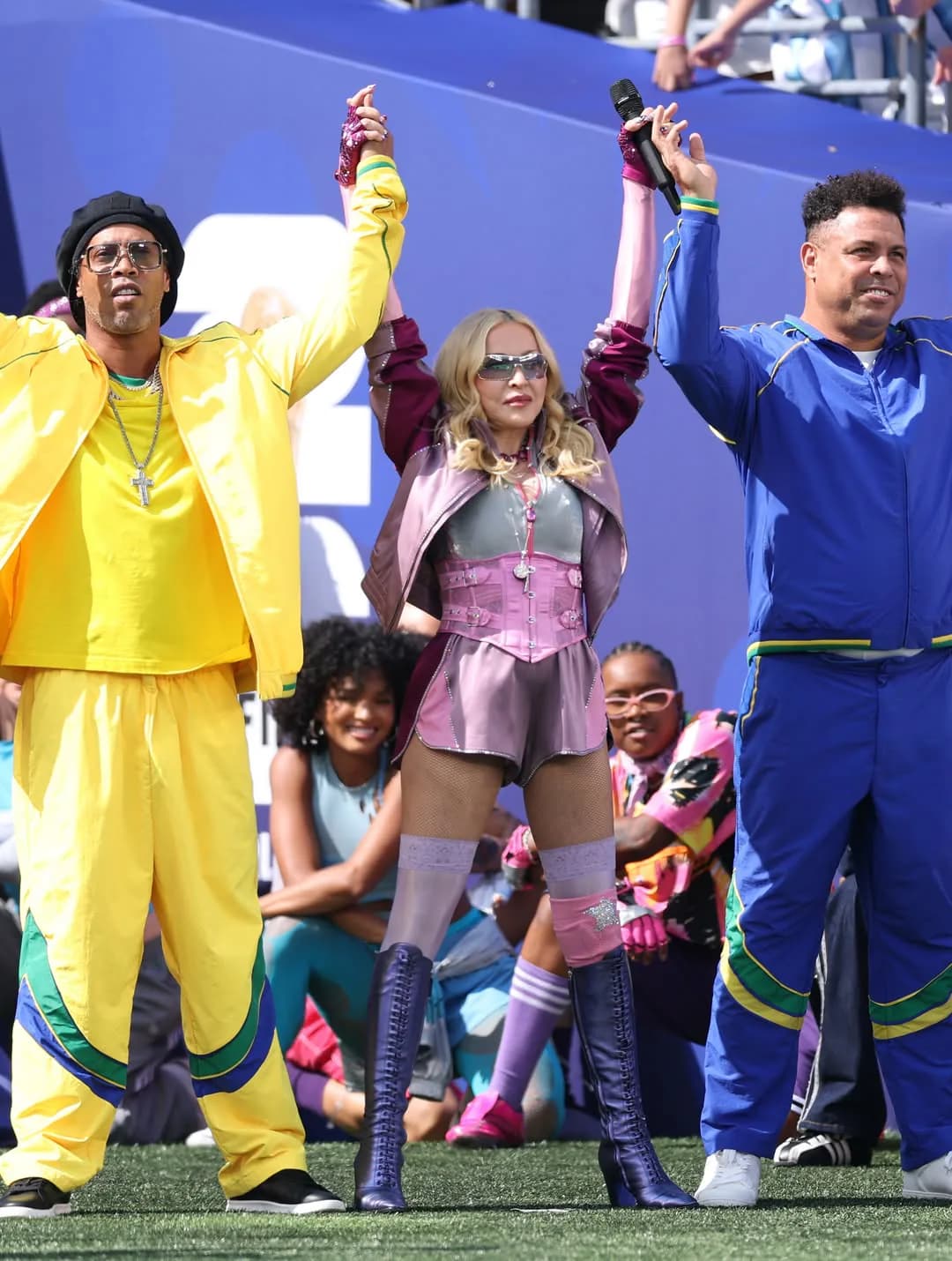
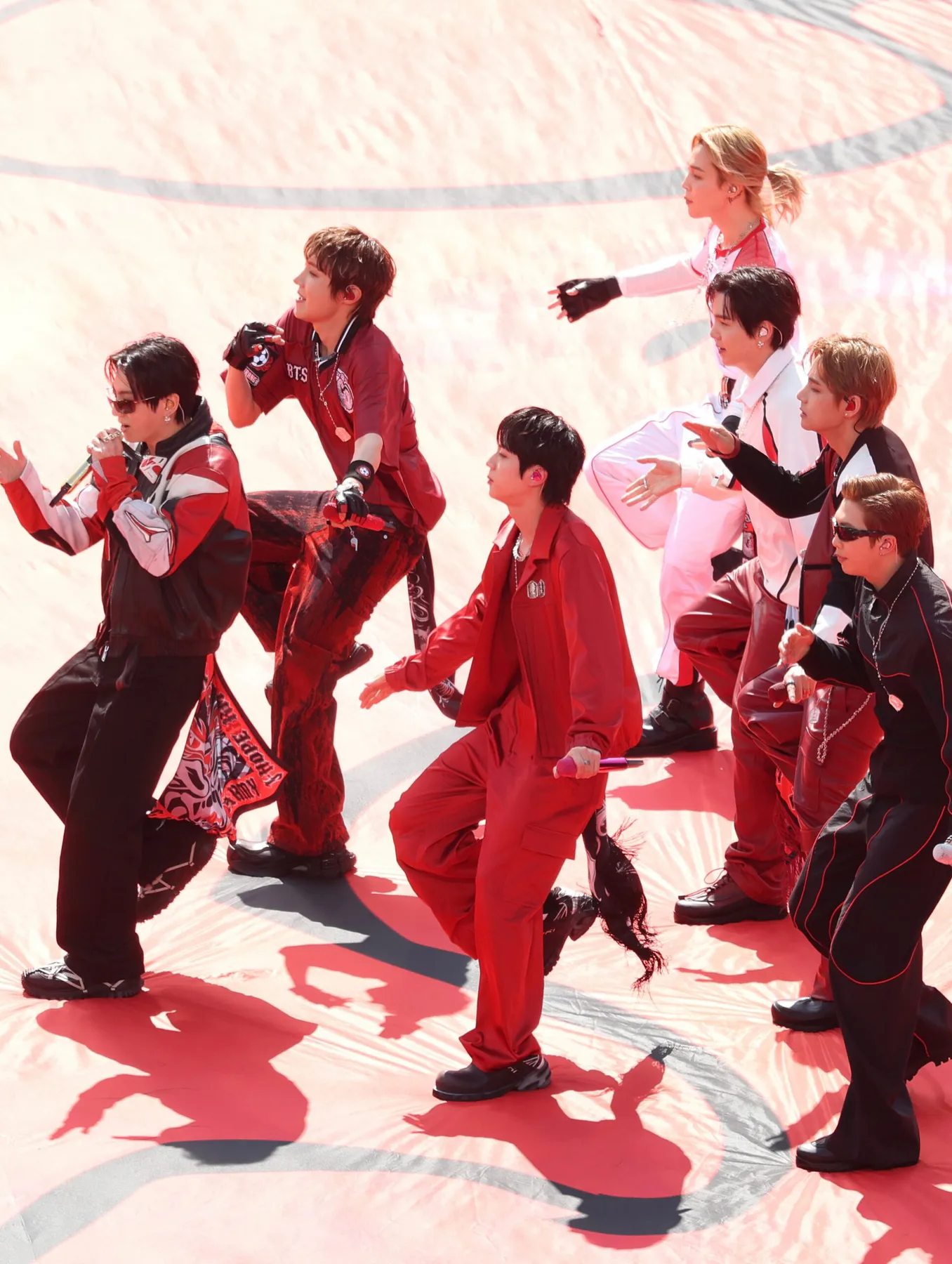
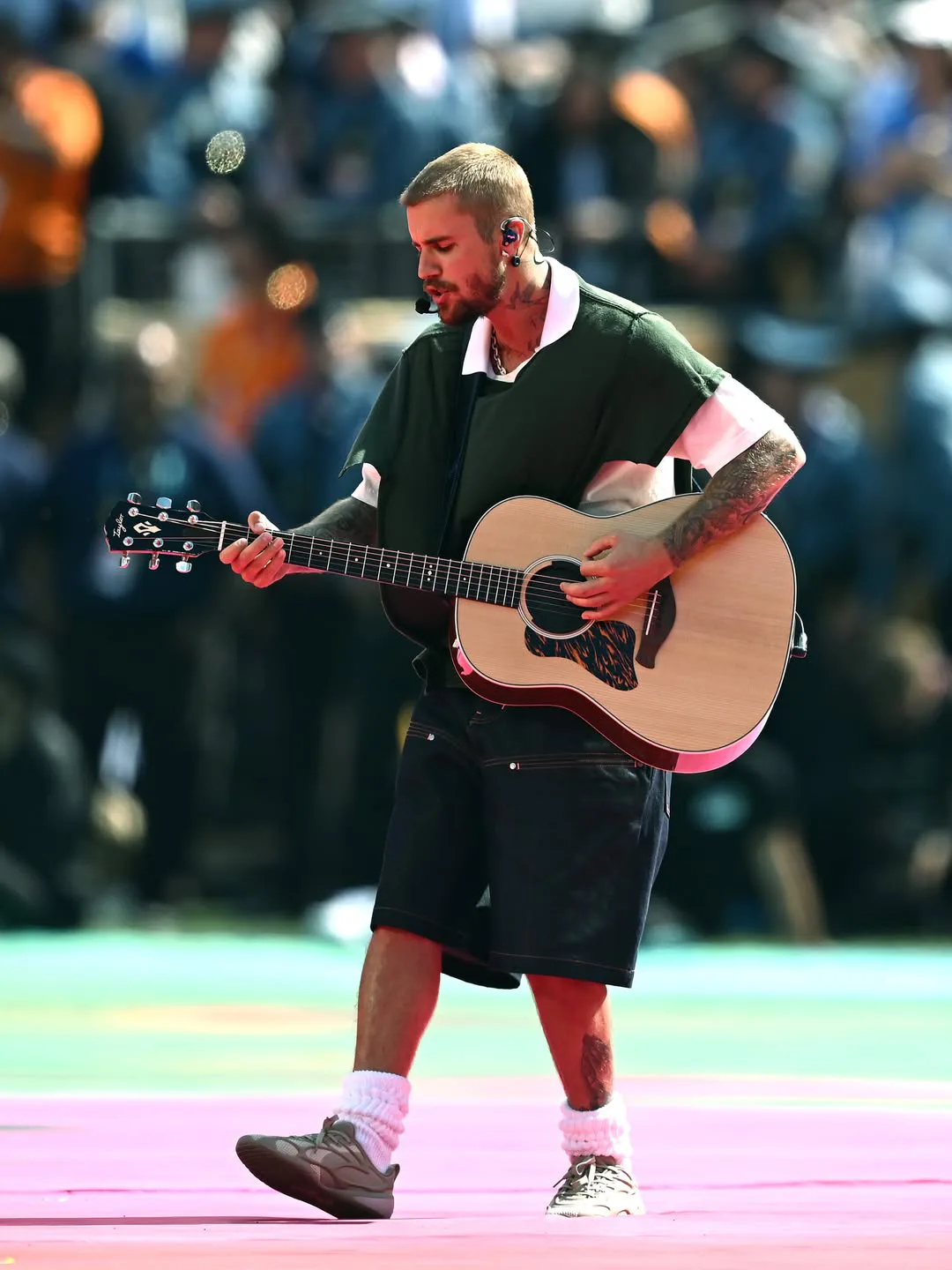
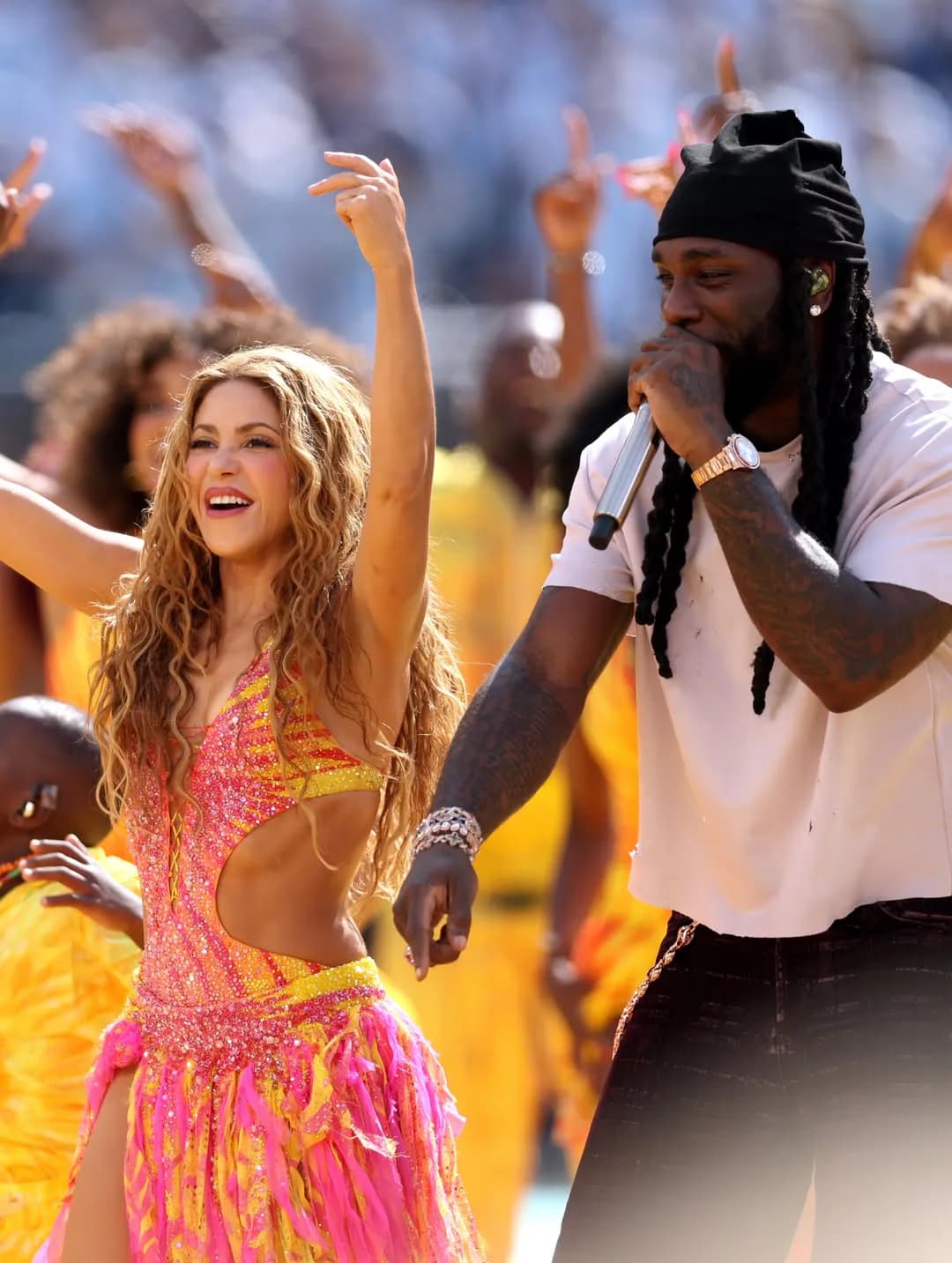
Photo gallery · 1 / 8Swipe to explore · 8 photos
Shakira used the World Cup 2026 Final to reaffirm a stage identity she has been building for decades.
She performed barefoot, fringe in motion, and stood alongside a stacked lineup of global stars. She turned the tournament’s inaugural halftime show into a full-circle moment.
This moment tied fashion, performance, and football history together.
Barefoot style and visual language
Shakira’s decision to perform barefoot at the Spain–Argentina final was not a gimmick; it was a return to one of her longest-running visual signatures.
She has been appearing shoeless on stage since the mid-1990s, including her “Barefoot Tour.” She uses this trademark to emphasize grounded movement and unfiltered connection with the music. At the World Cup Final, that choice cut through a crowded stage.
Madonna, BTS, Justin Bieber, Burna Boy, and others arrived in high-impact looks. Yet Shakira went in the opposite direction: no shoes, crystal fringe moving with every step. Her choreography drew attention to her feet as much as her vocals.
Her outfit reinforced that language. For the halftime show, she wore a custom Roberto Cavalli look that referenced her 2010 World Cup “Waka Waka” moment.
It blended plunging lines, feather or fringe detailing, and bold color to create a silhouette that felt familiar but evolved.
The ensemble was designed to register from the upper tiers of MetLife Stadium. In addition, it offered enough shimmer and motion to make barefoot dancing visible even at distance.
Full-circle fashion and World Cup legacy
Vogue frames the performance as a “full-circle fashion moment,” and the description fits. Shakira’s 2010 World Cup opening and closing performances, particularly “Waka Waka (This Time for Africa),” helped cement her as one of football’s defining musical figures.
In 2026, she returns not as the sole headliner, but as the anchor in a multi-artist halftime show. This format was borrowed from American football and adapted for the global game.
Her Cavalli look directly nods to the original “Robe de Shakira” associated with the 2010 tournament.
It pulls details from that dress into a new design that suits a larger, more complex stage. Paired with her barefoot style, the outfit turns the final into a reunion between Shakira and the event that helped define part of her public identity.
It sends a clear signal: she is not just returning to the World Cup; she is recreating and updating her own history there.
Performance, lineup, and cultural impact
The halftime show at the Spain–Argentina final marked the first official World Cup halftime performance. Shakira shared the stage with Burna Boy, Madonna, BTS, Justin Bieber, and others.
Each contributed fragments of their own catalogs to the set. Within that whirlwind, her barefoot, high-energy performance provided continuity. This linked the 2026 spectacle to the era when World Cup music was closely tied to a single artist and anthem.
Shakira and Burna Boy also handled “Dai Dai,” the official World Cup anthem, across the tournament, including at the opening match. At the final, the song and her stage presence helped frame the game not just as a sporting event, but as a cultural broadcast.
For viewers who associate the World Cup with “Waka Waka” and barefoot dancing, seeing her return in that same mode fringe moving, feet bare strengthened the sense that the tournament has its own musical lineage. Shakira stands at its center.
For players, fans, and collectors of football culture, Shakira Brings Her Signature Barefoot Style to World Cup Stage underlines how much one artist’s visual and performance language can shape the identity of a global event.
The 2026 halftime show did not simply add Shakira to a list of stars; it positioned her as the connective tissue between past and present World Cups.
Using one simple choice no shoes she reminds viewers where this story began, and where it can go next.