Steph Curry Turns Sneaker Free Agency Into a Li Ning Decade
Curry exits US brand, joins Chinese giant After ending a 13‑year run with Under Armour in 2023, Steph Curry has signed a 10‑year agreement with Chinese sportswear…
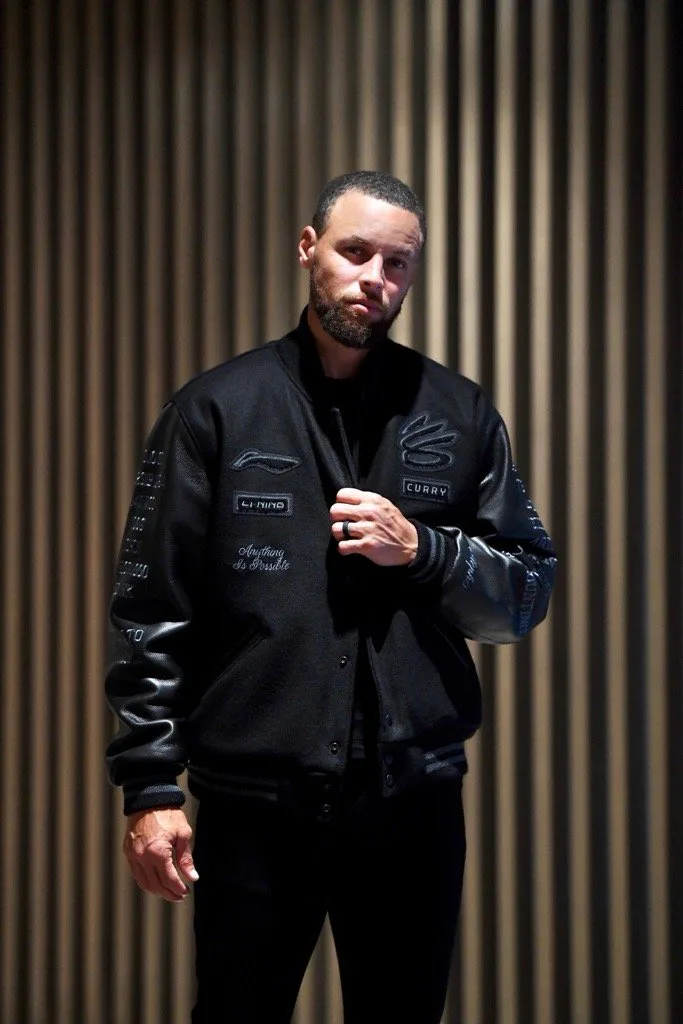
Curry exits US brand, joins Chinese giant
After ending a 13‑year run with Under Armour in 2023, Steph Curry has signed a 10‑year agreement with Chinese sportswear company Li‑Ning, framed as a massive, long‑term sneaker and apparel deal. The contract arrives after a season of “sneaker free agency,” where Curry alternated between Nike, Jordan, Adidas, Li‑Ning, Dada and others on court, effectively turning game nights into live A/B testing for potential partners. For performance brands, this is a rare case of a tier‑one NBA guard openly auditioning footwear in the middle of the schedule.
The deal gives Li‑Ning a marquee Western face at the exact moment Chinese labels are pushing deeper into NBA visibility and global basketball culture. For Curry, it is a pivot into a market positioned around roughly 450 million NBA fans in China, a scale no American brand can mirror domestically.
Brand architecture and athlete positioning
Under the new agreement, the existing Curry Brand is not being retired but repositioned inside Li‑Ning’s architecture as a semi‑autonomous label with dedicated basketball, lifestyle and golf product lines. Curry has indicated that the partnership includes the ability to sign male and female athletes to Curry Brand, effectively turning him from signature athlete into portfolio builder with his own mini‑roster.
Visually, this shifts Curry out of the classic “American underdog guard” lane that defined his Under Armour era and into a more global, owner‑operator role, closer to how Dwyane Wade’s Way of Wade project has played inside Li‑Ning’s ecosystem. Within the informal fashion hierarchy of basketball, it nudges Curry from simply headlining a performance silo to steering his own sub‑label across categories that matter for luxury‑adjacent storytelling like golf and off‑court tailoring.
Target consumer and market calculus
The immediate commercial target is the enormous Chinese basketball audience, but the deal also speaks to U.S. and European consumers already accustomed to non‑Nike and non‑Adidas silhouettes through New Balance, Puma and existing Li‑Ning collab visibility. For younger fans who follow athletes more than teams, the 10‑year horizon is an assurance that Curry’s line will be stable throughout the final phase of his NBA career and into his post‑playing media life.
At league level, this is another data point in the steady normalization of Chinese brands in NBA locker rooms and tunnels. As more stars move from simply endorsing to effectively co‑owning categories within foreign brands, the line between “team sponsor” and “personal fashion house” keeps blurring. The Curry‑Li‑Ning alignment fits a wider pattern in which athletes and brands are moving closer together as long‑term cultural partners rather than short‑term logo swaps, with sneaker deals functioning as anchors for broader media, lifestyle and golf‑driven storytelling.