Top 10 Most Expensive Women’s Footwear Brands
In women’s footwear, the uppermost price tier is shaped by a different set of forces. Here, value is…
In women’s footwear, the uppermost price tier is shaped by a different set of forces. Here, value is built through design authority, embellishment, and cultural visibility, particularly in couture, bridal, and red-carpet contexts. While craftsmanship remains essential, pricing at the top end often reflects scarcity, hand-applied detail, and runway relevance. These shoes are not meant for volume wear. They function as statements, symbols, and moments, occupying the intersection of fashion, fantasy, and luxury economics.
**1. Christian Louboutin
**
At the extreme high end, couture, crystal embedded, and custom heels reach five figure pricing.
**2. Manolo Blahnik
**
Timeless evening and bridal footwear. Special orders and embellishment elevate prices into the ultra-luxury tier.
**3. Hermès
**
Understated, refined, and consistently expensive. Pricing reflects materials and brand discipline, not trend.
**4. Maison Margiela
**
Conceptual luxury where scarcity and runway relevance drive extreme pricing.
**5. Roger Vivier
**
Jewel like craftsmanship and heritage glamour place certain styles at couture level pricing.
**6. Amina Muaddi
**
Modern luxury driven by visibility, embellishment, and demand. Limited runs command high prices quickly.
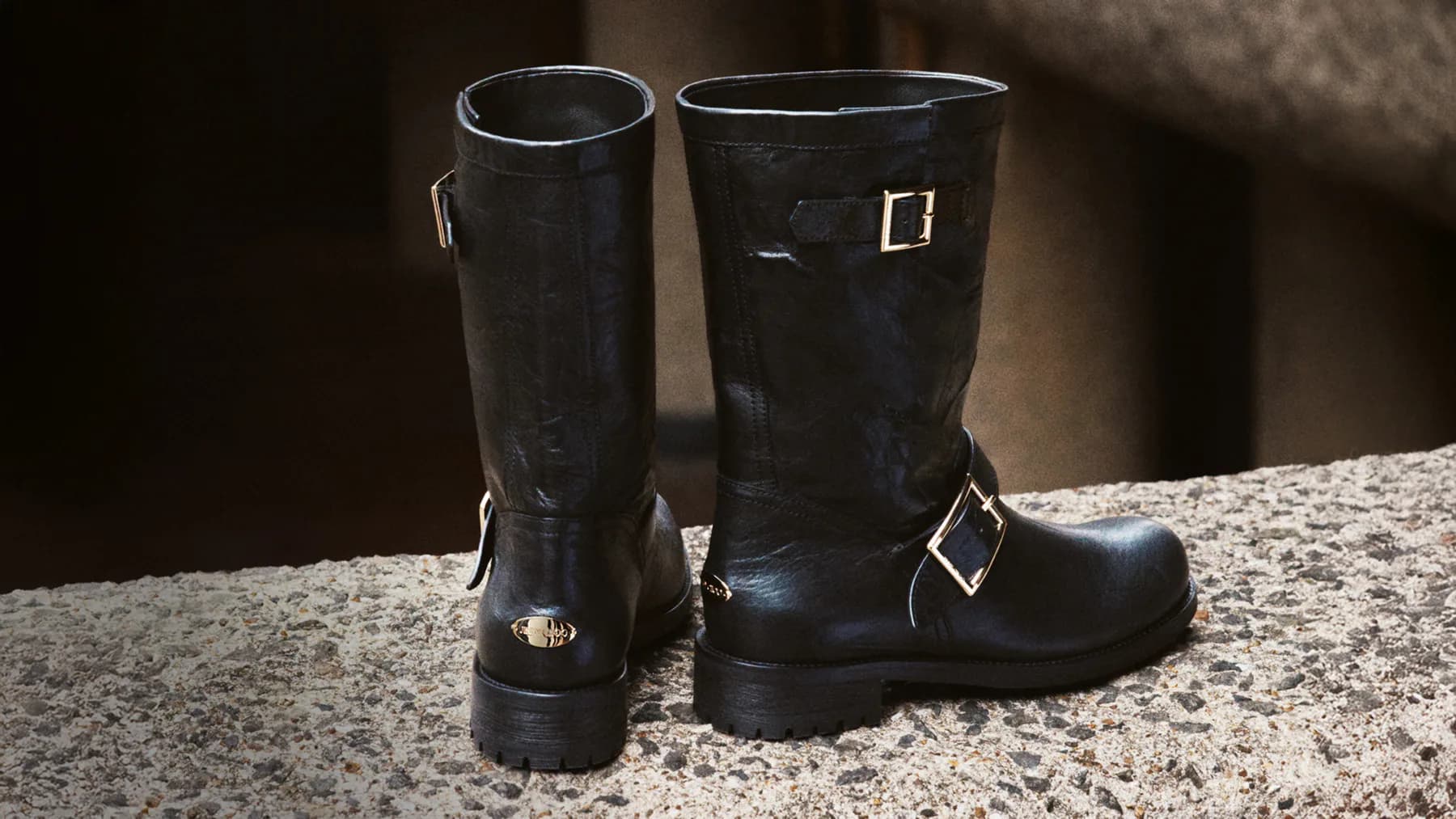
**7. Jimmy Choo
**
While accessible lines exist, couture and red carpet commissions reach ultra luxury levels.
**8. Balenciaga
**
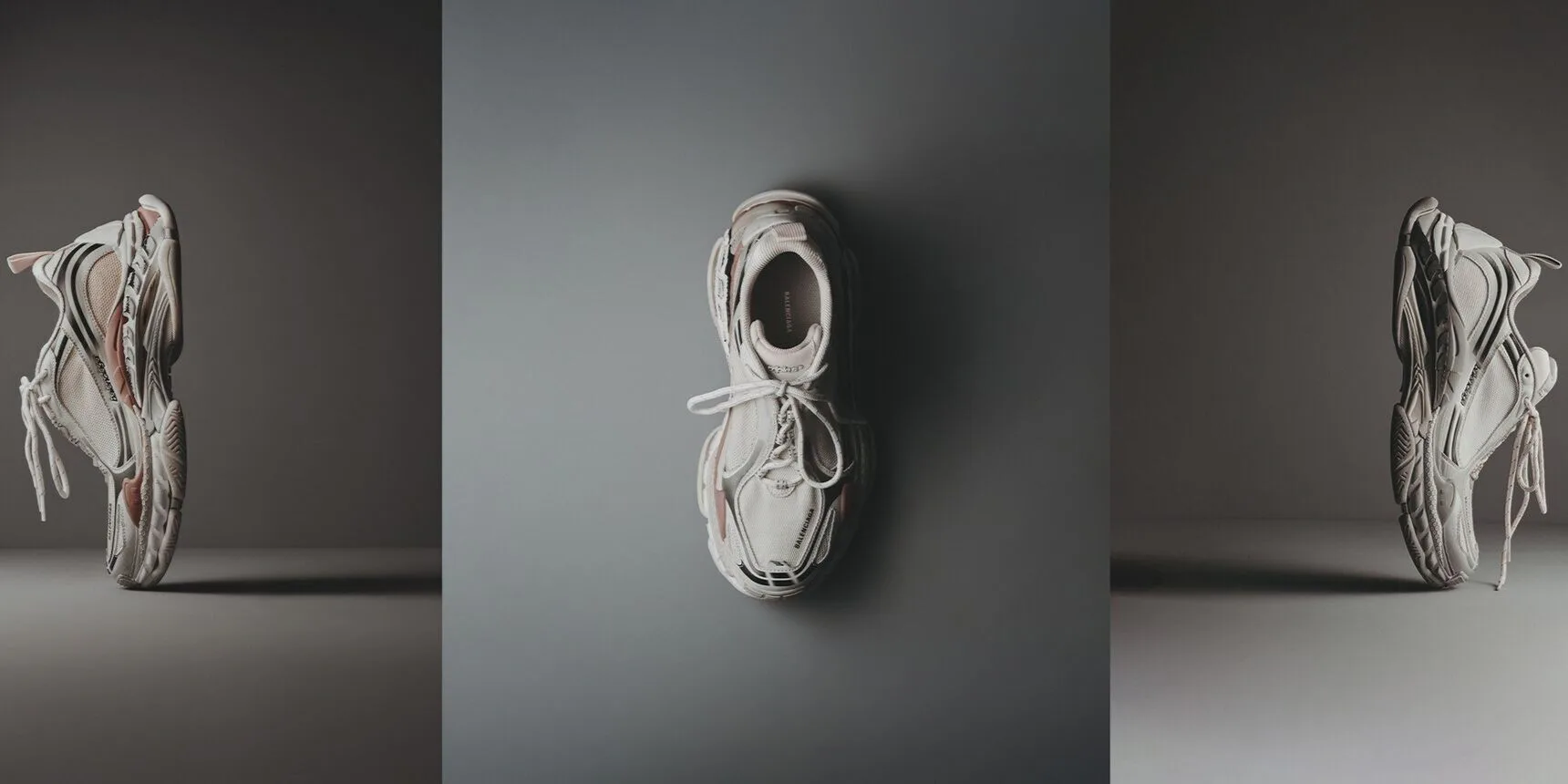 Balenciaga Triple S.2 sneakers. Photo: Balenciaga
Price is driven by concept, scale, and fashion authority rather than traditional craftsmanship.
**9. Louis Vuitton
**
Jewel encrusted, and show only designs push footwear into collectible pricing territory.
**10. Tom Ford
**
Sexy, formal, and materially rich. Evening styles and limited editions sit at the high end of luxury.