Umbro PROJECT by Aitor Throup Reimagines the Future of Football Design
Umbro is using PROJECT with Aitor Throup to push beyond traditional kit design and into a more radical…
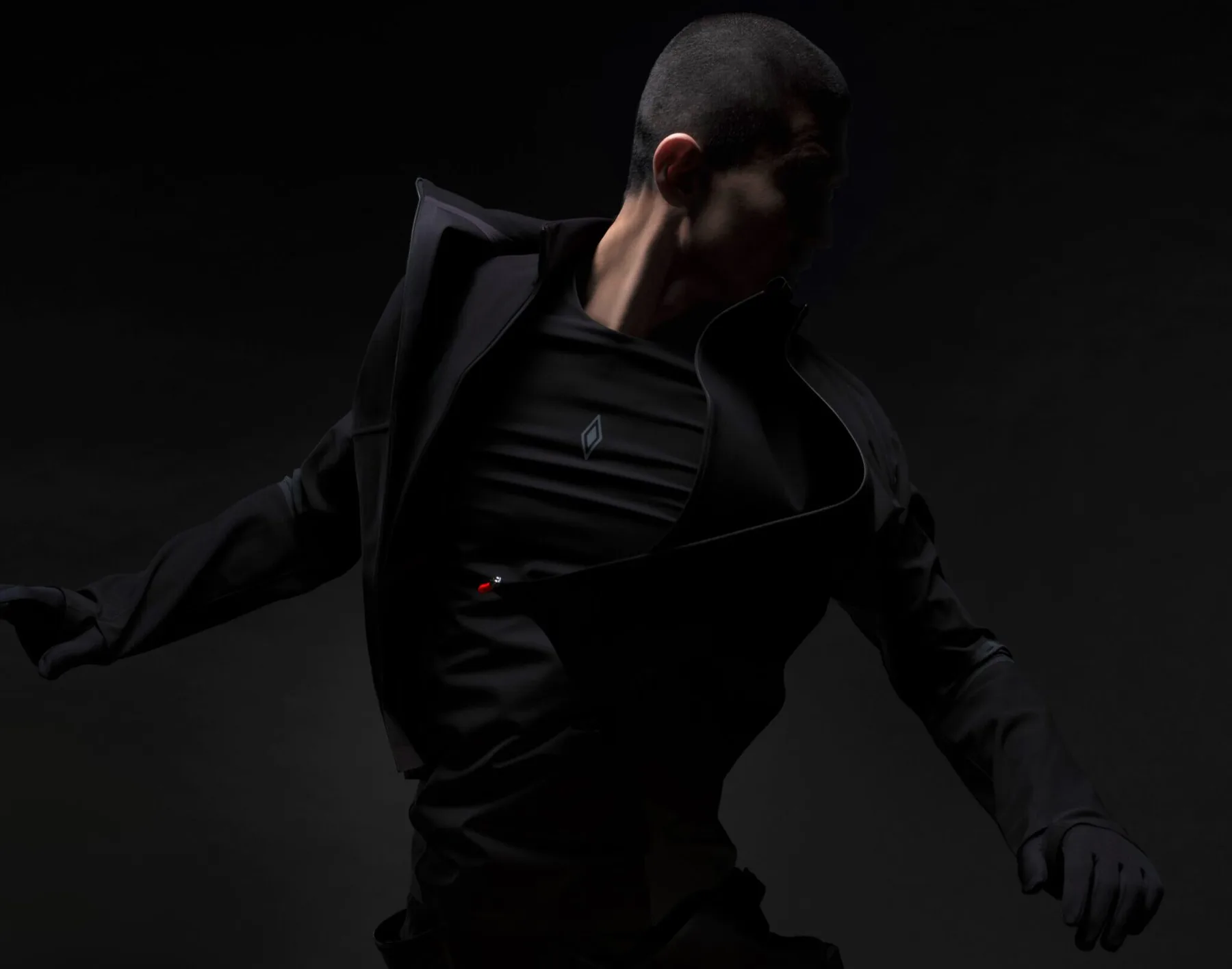
Umbro is using PROJECT with Aitor Throup to push beyond traditional kit design and into a more radical vision of what football could look like. The collaboration treats the sport as a platform for experimentation in anatomy, performance and progressive aesthetics rather than just teamwear updates.
Design and color/details
PROJECT starts from an anatomical lens. Panels, seams and volumes likely follow the body’s structure first, and visual branding second. You can expect garments that trace muscle groups, joints and movement lines, turning the player’s form into the core graphic element. This approach moves away from flat, print-led shirts and toward sculpted, three-dimensional pieces.
The Umbro and Throup partnership usually favors a controlled palette, deep neutrals, technical greys, considered brights used as signals rather than decoration. Logos and crests sit within the structure of the garment instead of floating on top. That keeps the focus on how the piece wraps, flexes and moves, which fits the “future of football” brief more than a standard sponsor-heavy kit.
Paris Fashion Week context and access
PROJECT will be unveiled during Paris Fashion Week Men’s SS27, which places Umbro in a very specific context. Rather than launching solely through club partnerships or federation announcements, the brand steps into a schedule usually associated with directional fashion and experimental menswear. That move positions the collection as design commentary on football, not just performance product for teams.
The Fashion Week setting also ensures that buyers, stylists, editors and creative directors see Umbro’s work alongside luxury houses and cutting-edge labels. It reframes football apparel as something that belongs in galleries, showrooms and concept stores, as well as on training pitches and match broadcasts. For Umbro, that is a strategic play to reassert design credibility in a crowded football market.
Performance, anatomy and on-pitch function
Despite its fashion-stage debut, PROJECT frames itself around performance and precision. An anatomical lens suggests garments cut to support key movements: sprints, turns, jumps and rapid changes in direction. Panel placement, ventilation zones and stretch fields likely follow how players actually move, rather than standard pattern blocks.
This kind of design thinking can influence everything from collar shapes and sleeve heads to short length and fit through the hips and thighs. The goal is to create a second skin that reads as progressive on camera, but also offers a clear functional rationale for every seam and closure. If Umbro and Throup succeed, PROJECT can operate as a blueprint for future on-pitch product, not just an artistic statement.
Why this matters for football and fashion
Umbro’s work with Aitor Throup on PROJECT shows how far football design has moved from simple template changes. The collaboration treats kits and related pieces as part of a wider design system that connects biomechanics, material innovation and visual culture. In that sense, it speaks as much to the fashion and art worlds as it does to players and fans.
For clubs, brands and retailers, the project raises the bar on what “progressive” football design can mean. It suggests that the next wave of product will not only swap colors or prints, but rethink how garments map onto the body and how they present the sport on and off the pitch. For players, fans and collectors, PROJECT offers a glimpse of a future where football apparel sits comfortably in both a stadium and a showroom, a genuine meeting point between performance, precision and forward-looking design.