2026 Lifestyle Footwear Brand Power Rankings
Every percentage point reflects more than sales. It tells a story of cultural relevance, wholesale power, direct to…
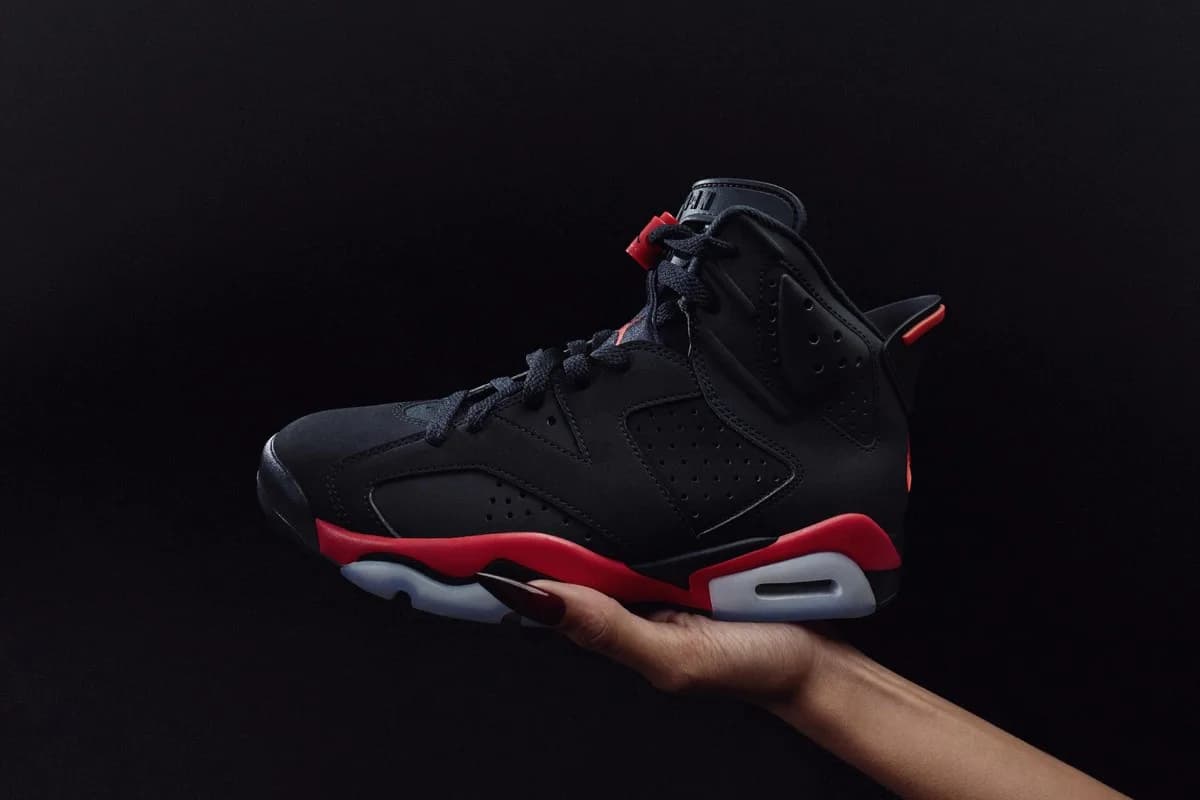
Every percentage point reflects more than sales. It tells a story of cultural relevance, wholesale power, direct to consumer momentum, and the frequency of repeat purchase. While Nike and adidas still sit at the top of the market, the momentum is building further down the lineup, where performance driven, comfort first brands, and fashion aware challengers are reshaping the landscape.
This breakdown looks at global athletic and sneaker led footwear market share, using widely cited industry estimates.
Global Athletic & Sneaker Footwear Market Share (Estimated)
| Brand | Estimated Global Market Share |
|---|---|
| Nike | 26% |
| adidas | 14% |
| Skechers | 9% |
| Puma | 5% |
| New Balance | 4% |
| ASICS | 3% |
| Under Armour | 3% |
| Converse | 2% |
| Vans | 2% |
| On Running | 2% |
| HOKA | 2% |
| Other brands combined | 28% |
Estimates based on aggregated industry reporting and competitive analysis across global athletic and sneaker categories.
What the Numbers Actually Mean
Nike
[
View this post on Instagram
](https://www.instagram.com/p/DNTRYnyRop1/?utm_source=ig_embed&utm_campaign=loading)
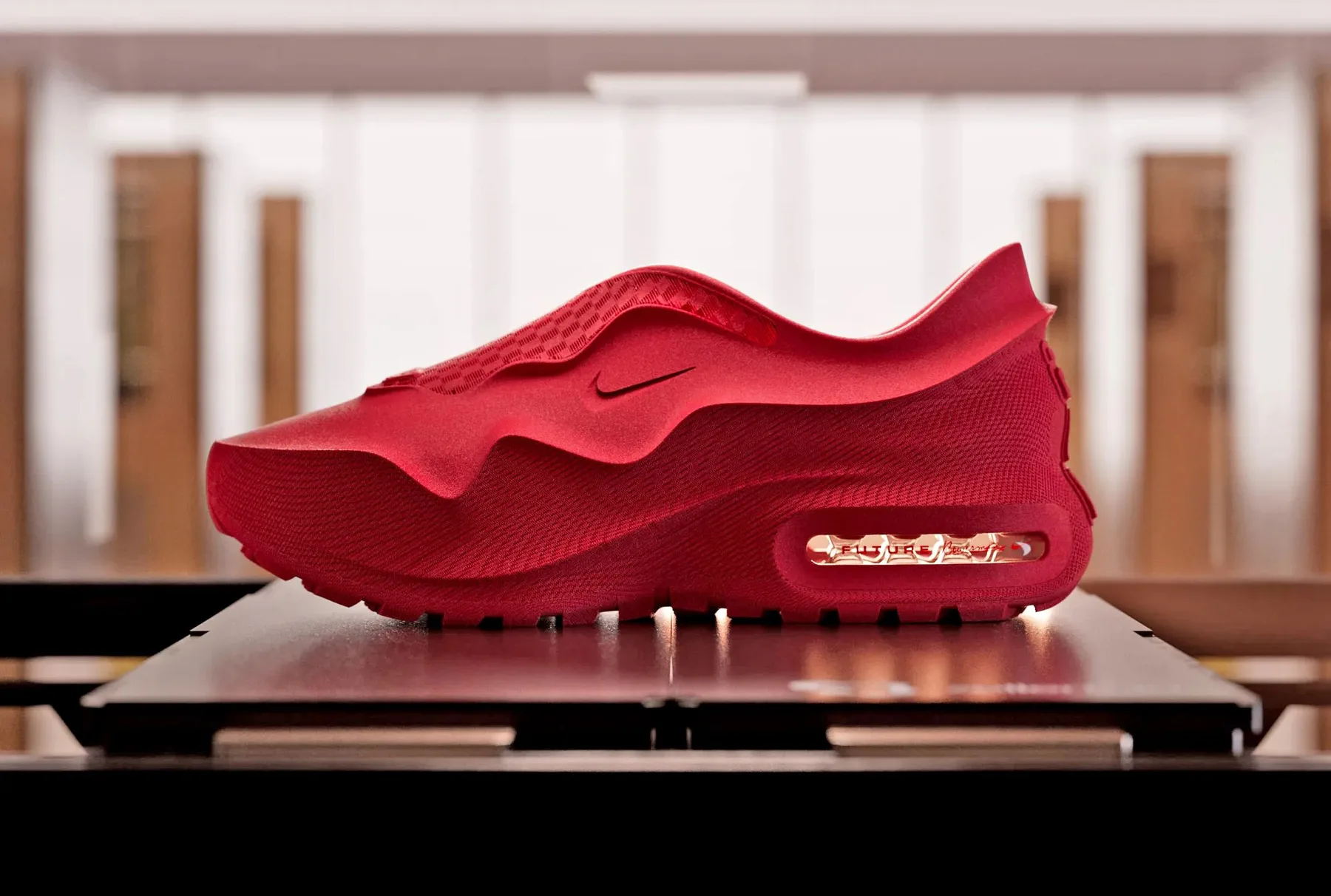
Nike’s dominance is structural. Scale, marketing reach, and DTC muscle give it margin protection even when demand softens. A quarter of the market means Nike doesn’t need to win every trend cycle; it just needs to stay unavoidable.
adidas
[
View this post on Instagram
](https://www.instagram.com/p/DI0nM76sm1r/?utm_source=ig_embed&utm_campaign=loading)
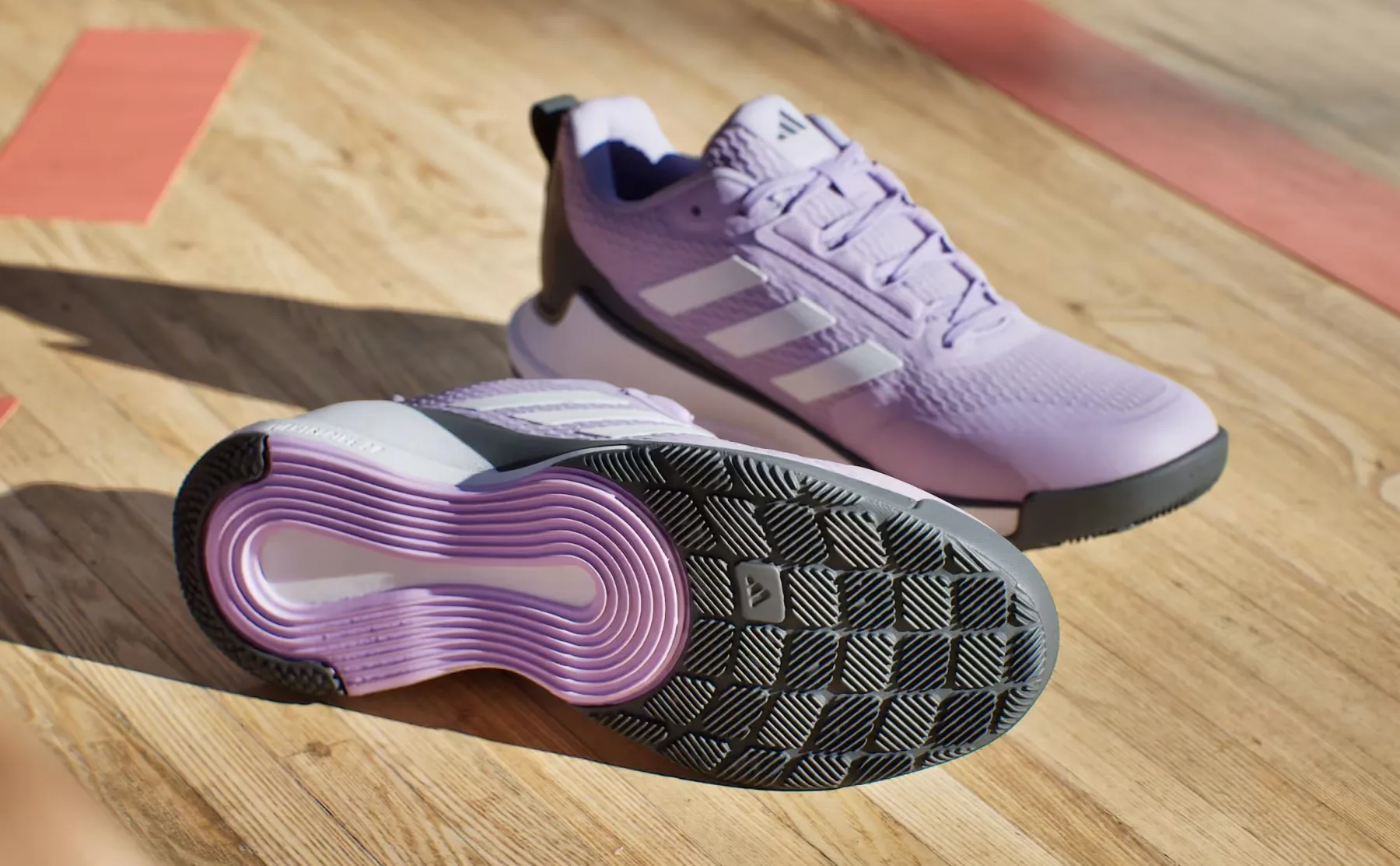
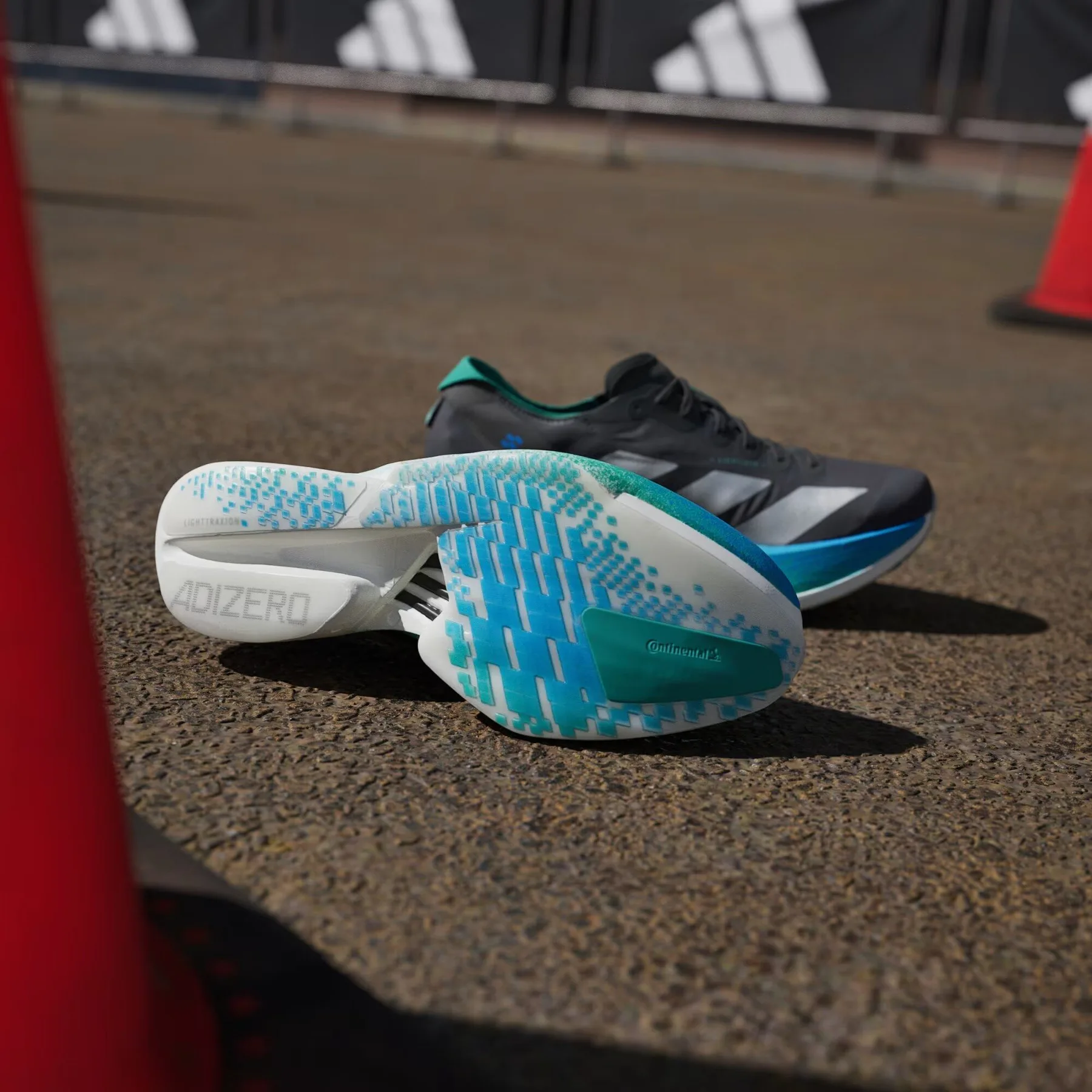
adidas holds a strong global share, but its position is more volatile. Performance credibility remains high, yet lifestyle momentum and wholesale strategy swings have made its share more vulnerable to shifts than Nike’s.
Skechers
[
View this post on Instagram
](https://www.instagram.com/p/DUBLRJAkg3F/?utm_source=ig_embed&utm_campaign=loading)
Skechers is the quiet giant. Less hype, more households. Its strength is comfort, value, and international volume. It doesn’t win headlines, but it wins carts.
Puma
[
View this post on Instagram
](https://www.instagram.com/p/DIl43bGRZbo/?utm_source=ig_embed&utm_campaign=loading)
Puma sits comfortably in the middle, culturally relevant, but fighting for clarity. Its share reflects a solid global presence without category dominance.
New Balance and ASICS
[
View this post on Instagram
](https://www.instagram.com/p/DKN-Lj0xlw8/?utm_source=ig_embed&utm_campaign=loading)
These brands have influence that far exceeds their market share. Strength in running, reliable fit, and an appeal for daily wear keep them growing steadily rather than explosively.
Under Armour
[
View this post on Instagram
](https://www.instagram.com/p/DMspgqkMOSh/?utm_source=ig_embed&utm_campaign=loading)
Under Armour’s share shows how hard footwear is without an emotional appeal. Performance alone isn’t enough when competitors pair tech with culture.
On Running and HOKA
[
View this post on Instagram
](https://www.instagram.com/p/DN5CUk9DL6I/?utm_source=ig_embed&utm_campaign=loading)
Small share, big impact. These brands are still single digit players globally, but their growth curves matter more than their current size. They’re attracting loyalty, not just sales.
The “Other” Category
Nearly a third of the market is fragmented. Regional brands, fashion labels, private labels, and niche players live here. This is where disruption happens first.