Top 10 Footwear Brands Leading Real Innovation
In an industry crowded with buzzwords, true footwear innovation is increasingly rare and increasingly obvious. The brands actually…
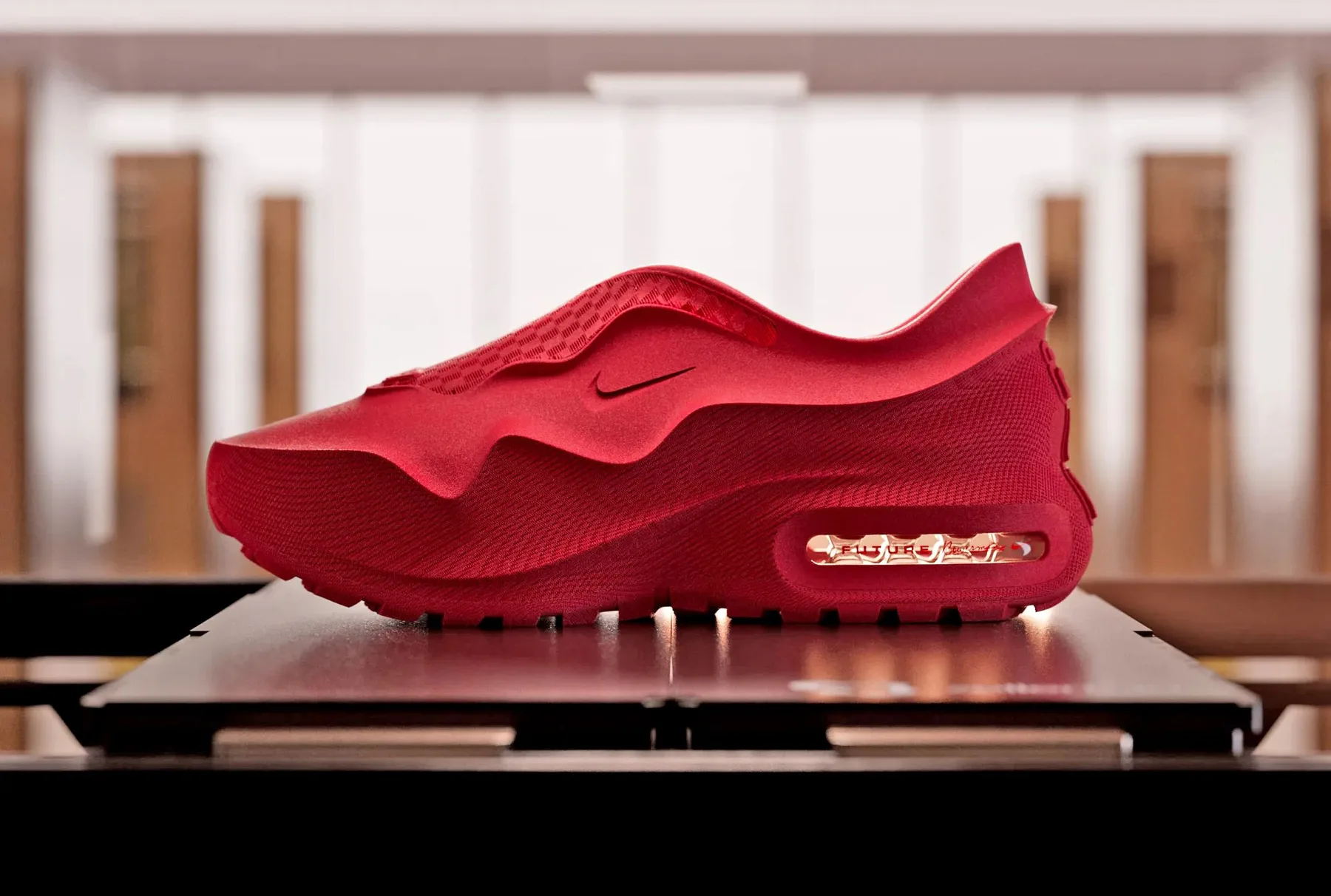
In an industry crowded with buzzwords, true footwear innovation is increasingly rare and increasingly obvious. The brands actually moving the category forward aren’t shouting the loudest, rather, they’re solving structural problems: reducing material waste, engineering for biomechanics, rethinking manufacturing through automation and 3D printing, and designing sustainability into the system rather than bolting it on later.
This list focuses on measurable innovation, not marketing theater. These are the footwear brands investing in materials science, performance engineering, and production models that change how shoes are made, worn, and scaled. Some are global giants with deep R&D budgets. Others are smaller, but materially influential. What they share is intent, and execution.
Top 10 Footwear Brands Leading Innovation
Brief Brand Breakdown
Nike
Nike’s core innovation is the link between materials science and biomechanics, using advanced foams and data backed cushioning geometries alongside emerging 3D printed tooling and midsoles to tune feel, support and responsiveness while speeding up development and reducing waste.
[
View this post on Instagram
](https://www.instagram.com/reel/DTQkue6DrIk/?utm_source=ig_embed&utm_campaign=loading)
Adidas
Adidas uses data informed lattice midsoles and 3D printing to industrialise additive cushioning, pairing that with large scale recycled material programs so midsole and upper innovation both target performance and measurable reductions in virgin plastic use.
[
View this post on Instagram
](https://www.instagram.com/p/DI0nM76sm1r/?utm_source=ig_embed&utm_campaign=loading)
ASICS
ASICS builds around gait and injury research, running prototypes through its sport science labs and turning findings into cushioning, stability and rocker systems that are explicitly designed to lower impact forces and common running injury risks.
[
View this post on Instagram
](https://www.instagram.com/reel/DTh3OYhiR7o/?utm_source=ig_embed&utm_campaign=loading)
New Balance
New Balance connects granular fit (multiple widths, data led lasts) with more local and domestic factories, using that structure to adjust models quickly, serve niche performance needs, and cut lead times and overproduction.
[
View this post on Instagram
](https://www.instagram.com/p/DKN-Lj0xlw8/?utm_source=ig_embed&utm_campaign=loading)
On
On’s CloudTec pods and rocker profiles are engineered to change how impact is absorbed and rolled forward, while parallel work on cleaner chemistries and circular pilots makes manufacturing impact part of the product brief, not an afterthought.
[
View this post on Instagram
](https://www.instagram.com/p/DQ_sWxJDK-d/?utm_source=ig_embed&utm_campaign=loading)
Salomon
Salomon prototypes in real mountain conditions, combining trail biomechanics with high grip outsoles, chassis systems, and abrasion resistant uppers, so innovation is measured by stability and durability where failure has real consequences.
[
View this post on Instagram
](https://www.instagram.com/p/DTqOTPeDDfy/?utm_source=ig_embed&utm_campaign=loading)
Allbirds
Allbirds’ main innovation is making sustainability quantifiable, building shoes from renewable and bio based materials, and publishing per product carbon scores so environmental impact becomes a design metric and a point of comparison.
[
View this post on Instagram
](https://www.instagram.com/p/DQHMxGjDvBr/?utm_source=ig_embed&utm_campaign=loading)
ECCO
ECCO runs its own tanneries and controls much of its supply chain, allowing it to experiment quickly with lighter, stronger, and lower impact leathers, then push successful finishes into footwear without waiting on external suppliers.
[
View this post on Instagram
](https://www.instagram.com/p/DR0A_zVjkBb/?utm_source=ig_embed&utm_campaign=loading)
HOKA
HOKA’s high stack, rocker soled designs redistribute impact across the foot and stride, turning maximal cushioning from a niche idea into a mainstream approach to comfort and joint protection across running and everyday categories.
[
View this post on Instagram
](https://www.instagram.com/p/DR48jjHiRpO/?utm_source=ig_embed&utm_campaign=loading)
Carbon
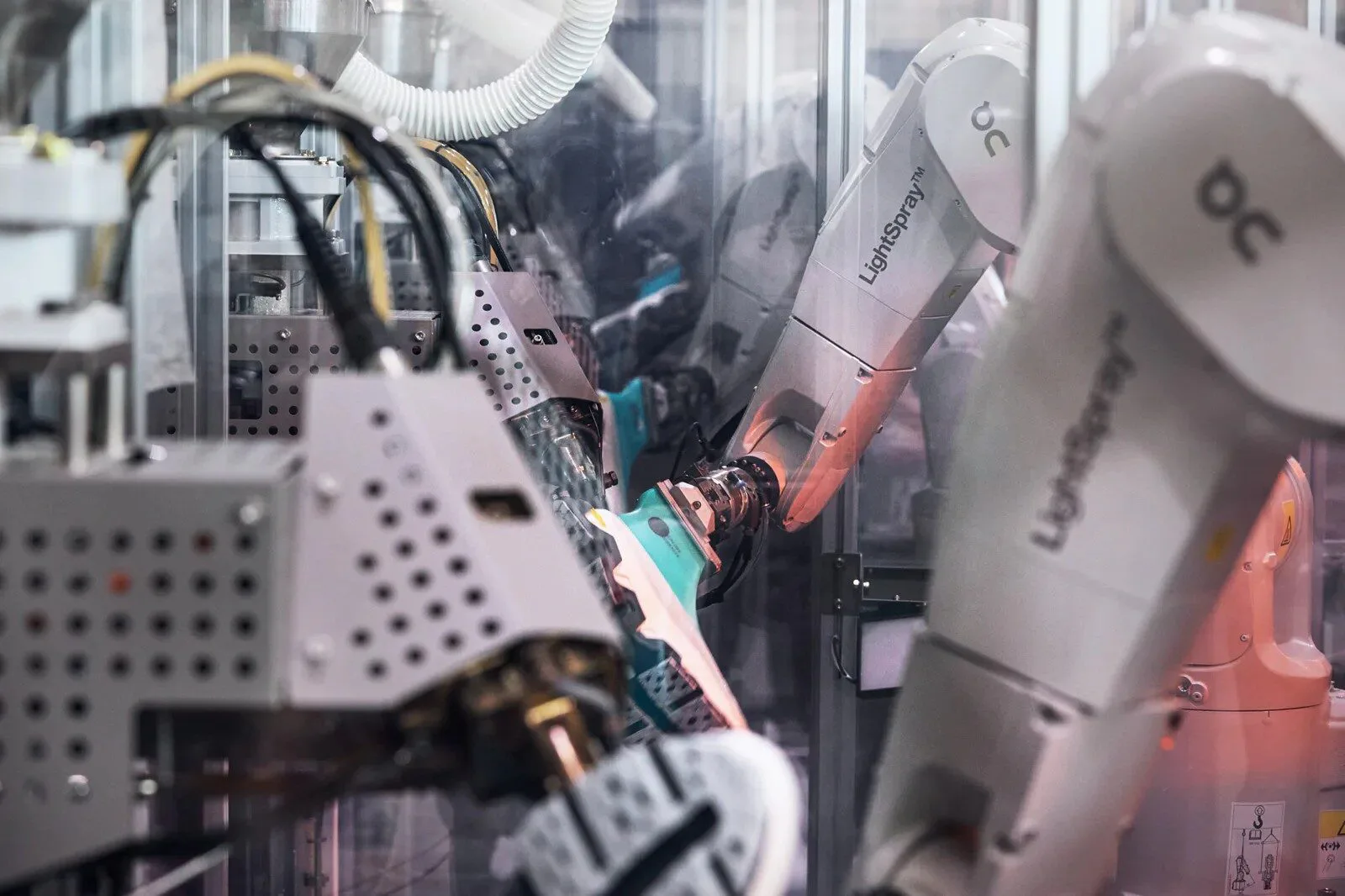
Carbon supplies digital manufacturing infrastructure, using its light based 3D printing process to produce performance lattices and midsoles for partner brands, effectively changing how cushioning is designed, tooled, and scaled in production.
[
View this post on Instagram
](https://www.instagram.com/p/B-uPeVrK2Es/?utm_source=ig_embed&utm_campaign=loading)
Why This List Matters
Innovation in footwear is no longer about seasonal silhouettes or surface level sustainability claims. It’s about systems, how materials are sourced, how shoes interact with the human body, and how manufacturing can be cleaner, faster, and more adaptive. The brands above are shaping those systems, not reacting to them.
As consumer expectations rise and margins tighten, real innovation is becoming a competitive necessity rather than a branding exercise. The next era of footwear leadership will belong to companies that can prove their advances on the foot, in the factory, and on the balance sheet. The rest will keep talking.