Abercrombie Expands Lifestyle Reach With Third-Party Footwear Brands
Abercrombie & Fitch leans on third‑party footwear to grow its lifestyle reach. The Abercrombie third-party footwear strategy is…
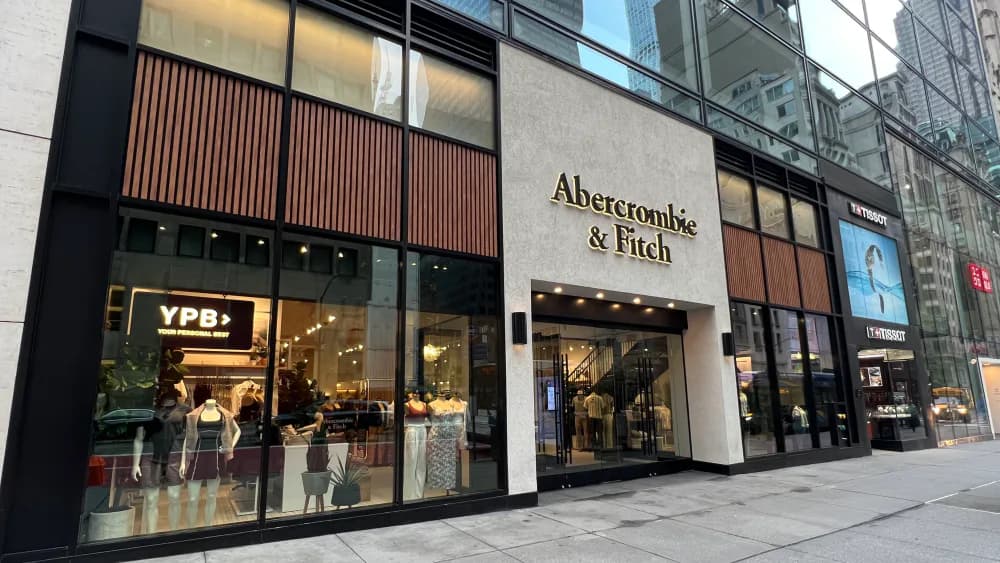
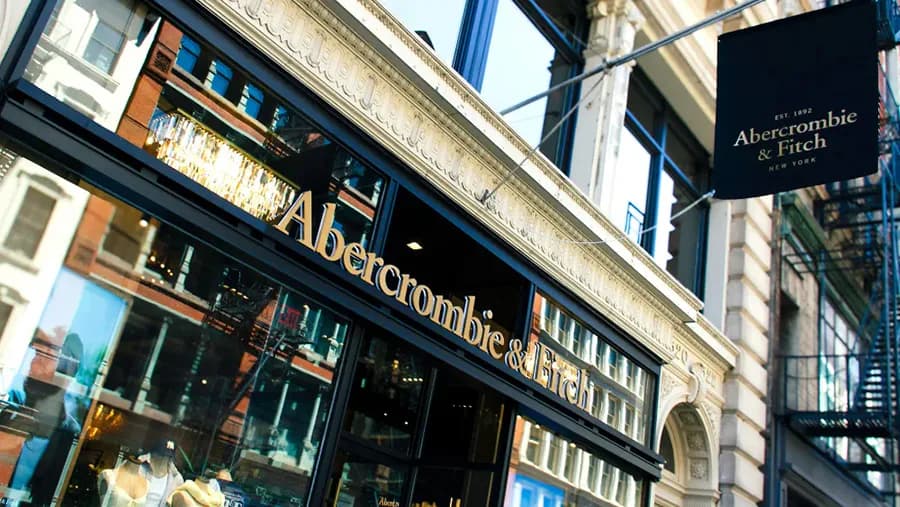
Photo gallery · 1 / 2Swipe to explore · 2 photos
Abercrombie & Fitch leans on third‑party footwear to grow its lifestyle reach. The Abercrombie third-party footwear strategy is central to expanding the brand’s presence in the market.
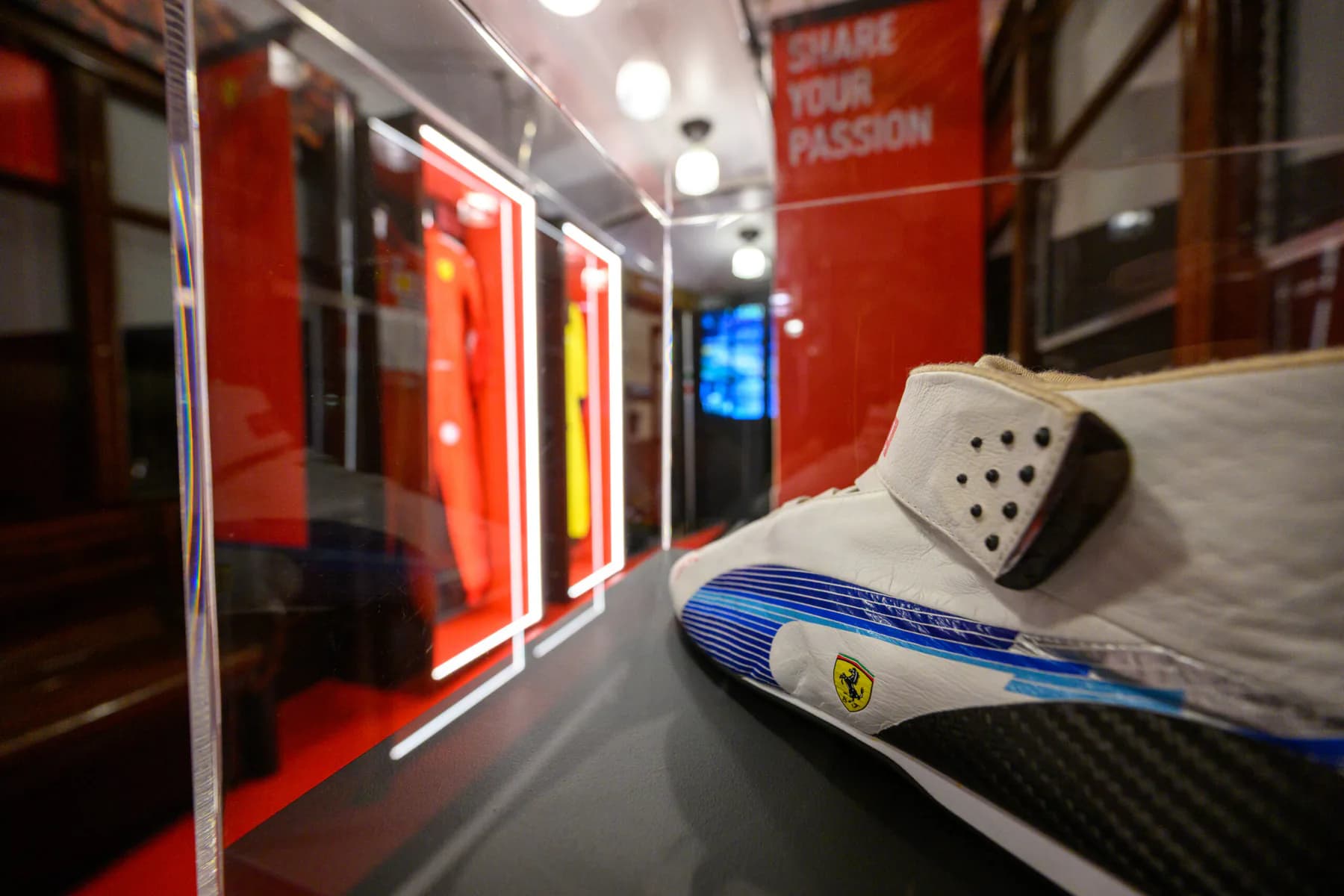
Abercrombie & Fitch is moving beyond its own logo on the shoe wall. By bringing in brands like Puma, Sperry, Hunter, Frye and GH Bass, the retailer is turning footwear into a broader lifestyle play, not just a private‑label add‑on.
The strategy aims to win new shoppers, keep existing ones in the ecosystem longer and position Abercrombie as a one‑stop outfitting destination.
A curated footwear mix in SoHo
Abercrombie quietly started this shift in April 2026, when it began selling select Sperry styles online and in stores. Since then, the mix has widened to include Puma, Frye, Hunter and GH Bass.
Right now, the full slate lives together only in one place: the brand’s new 10,000‑square‑foot flagship in New York City’s SoHo neighborhood.
That store functions as a test lab. If the curated wall of third‑party brands performs, Abercrombie plans to roll the full assortment into more locations and eventually broaden the offer online.
At the moment, digital shoppers can only find Puma and Sperry on the retailer’s site, which keeps the experiment controlled while the company tracks demand and basket behavior.
Why third‑party shoes matter for Abercrombie
For Abercrombie, the move is as much about who walks in the door as what ends up in the cart. New Americas managing director Melissa Worth has been clear: adding outside brands helps with both customer acquisition and retention.
Shoppers searching for Puma or Frye might discover Abercrombie through footwear first, then pick up apparel once they are in the store.
At the same time, the brand wants to deepen ties with its highest‑value customers by covering more of their wardrobe. Rather than forcing them to go elsewhere for boots or sneakers, Abercrombie can now outfit them head‑to‑toe.
A shopper might come in for a pair of Hunter rain boots or GH Bass loafers and leave with denim, outerwear or a full look built around that pair.
Footwear as a lifestyle and discovery engine
This strategy also reframes what Abercrombie wants to be in 2026. It is not just a jeans‑and‑logo retailer; it is positioning itself as a lifestyle outfitter where footwear plays a central role.
A strong mix of heritage names (Sperry, GH Bass), function‑meets‑fashion (Hunter, Frye) and global sportstyle (Puma) covers multiple use cases: office, weekends, travel and casual sport.
For consumers, that means a single store where they can solve more of their style needs, with the safety of familiar names plus Abercrombie’s own ready‑to‑wear. For the retailer, it means higher average tickets and more reasons for shoppers to return.
If this SoHo test proves successful and the digital mix expands, expect Abercrombie to lean harder into a curated‑market feel where its own collections sit comfortably alongside the brands its customers already trust.