How Air Jordan Changed the Sports Footwear Landscape
From a bold 1985 basketball shoe to a global business, Air Jordan reshaped athlete endorsements, sneaker design and the culture around sports footwear.
Few products have influenced sport, fashion and popular culture as profoundly as Air Jordan shoes. What began as a signature basketball line for Michael Jordan became a multibillion-dollar business that transformed athlete endorsements, sneaker design and sportswear marketing.
The basketball footwear market before Jordan
When Jordan entered the NBA in 1984, Converse dominated basketball through stars such as Magic Johnson and Larry Bird, while Adidas remained a major force in performance footwear.
Nike was growing but lacked its later dominance. Seeing Jordan’s potential, the company proposed a signature line built around his personality and playing style rather than placing him in an existing product range. The reported deal included $500,000 annually for five years plus royalties, an unusually ambitious commitment for a rookie.
The arrival of the Air Jordan 1
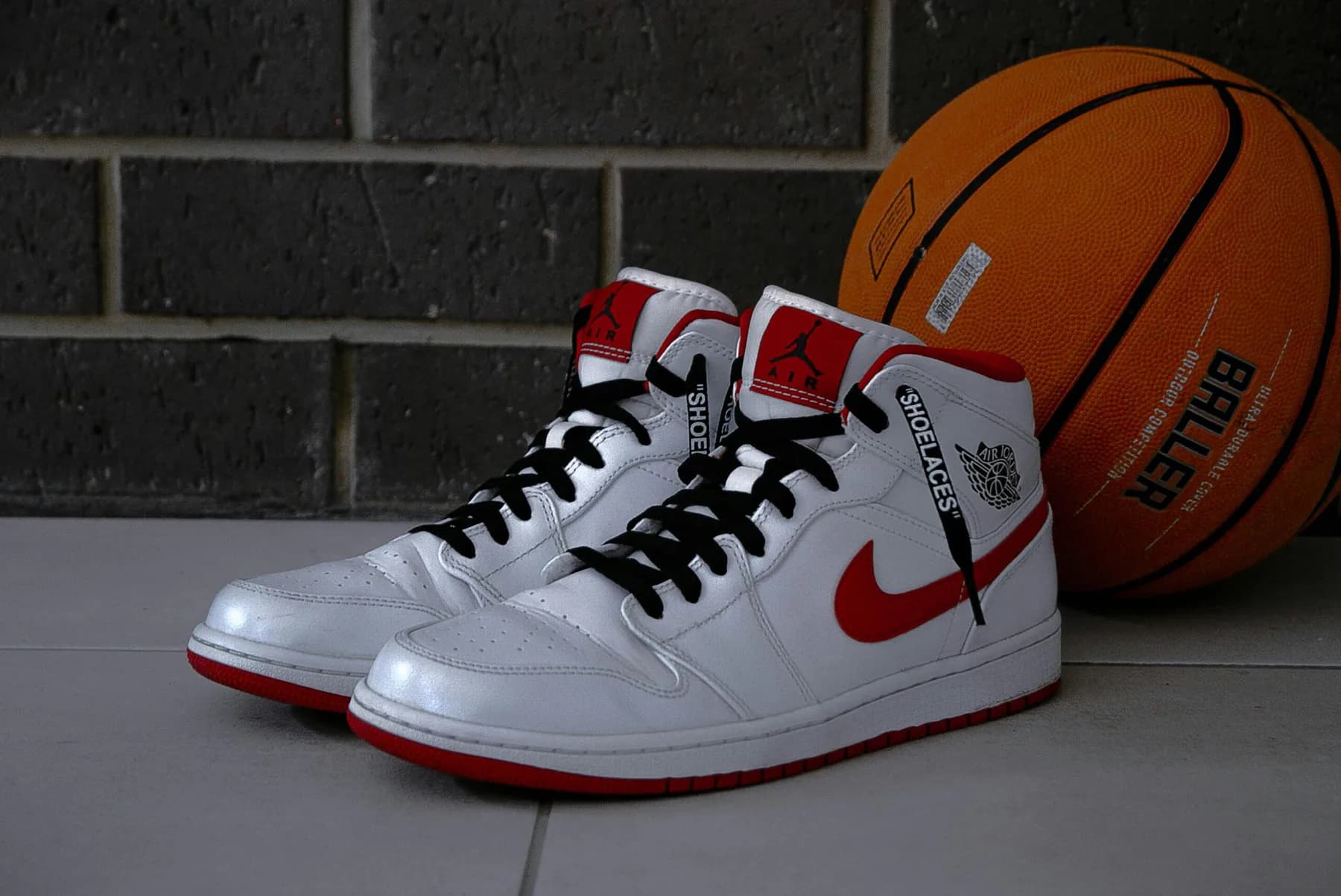
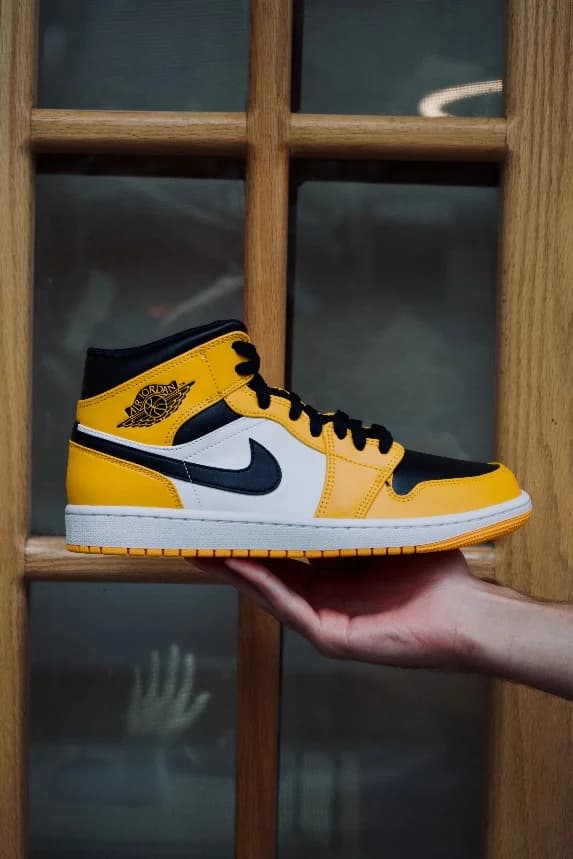
Released in 1985, the Air Jordan 1 stood out because of its bold colour combinations. It offered more than athletic performance, turning footwear into a form of personal expression.
Nike’s marketing connected the shoe with Jordan’s athleticism and confidence, presenting him as a player capable of extraordinary feats. The line also benefited from the famous "banned" narrative, which suggested the NBA objected to Jordan’s footwear. Whether entirely accurate or not, Nike leveraged the controversy to position Air Jordans as symbols of individuality.
Priced at $64.99, the Air Jordan 1 sold in huge numbers and demonstrated that premium signature footwear could attract a mainstream audience.
Reinventing the athlete endorsement
Before Air Jordan, athletes mainly appeared in advertisements for existing products. Nike and Jordan created something different by building an ongoing narrative around the athlete himself.
Each new shoe reflected a stage in Jordan’s career, linking championships and memorable performances to specific releases. Consumers were buying more than footwear; they were connecting with a story.
This model changed the industry. Athletes increasingly sought royalties, signature products and creative influence, while brands competed to build long-term franchises around emerging stars. The concept spread beyond basketball, as athletes became brands in their own right alongside growing sports-related sectors such as streaming platforms and sportsbooks like DraftKings that offer NBA betting.
Performance design meets storytelling
Air Jordan thrived because strong marketing was matched by distinctive design. Nike introduced visible cushioning, innovative materials and increasingly bold silhouettes.
The shoes quickly expanded beyond the court, becoming everyday fashion items and collectibles. This crossover helped redefine what performance footwear could be.
The Jumpman logo became one of sport's most recognisable symbols, while unique colourways and model numbers gave each release a place within a wider history.
From signature line to independent brand
The launch of Jordan Brand as a separate division in the late 1990s allowed the business to grow beyond Michael Jordan's playing career.
The brand expanded into apparel, accessories and footwear for other athletes, ensuring continued relevance after Jordan’s final retirement in 2003. By Nike's 2023 fiscal year, Jordan Brand revenue had reportedly reached about $6.6 billion, illustrating the long-term value of the model.
Creating modern sneaker culture
Air Jordan helped turn trainers into collectible cultural products. Retro releases appealed to younger consumers discovering basketball history and older fans revisiting iconic designs.
Limited releases generated demand through queues, launch calendars and online draws. Scarcity also supported a thriving resale market where some pairs became highly valuable.
Collaborations with artists, musicians and designers introduced the brand to new audiences and established a strategy now common throughout the footwear industry.
A permanent change to sports footwear
Air Jordan’s greatest achievement was changing what a sports shoe could represent. It became performance equipment, fashion, nostalgia, personal branding and cultural expression at once.
Four decades after its debut, Air Jordan remains one of the most influential names in footwear. Its combination of athlete storytelling, innovative design and brand building created a blueprint that continues to shape the global sneaker industry today.