PUMA Appoints Marcia Dos Santos as Vice President BU Core
PUMA is not simply adding a new executive; it is reinforcing the structure behind its commercial engine. The…
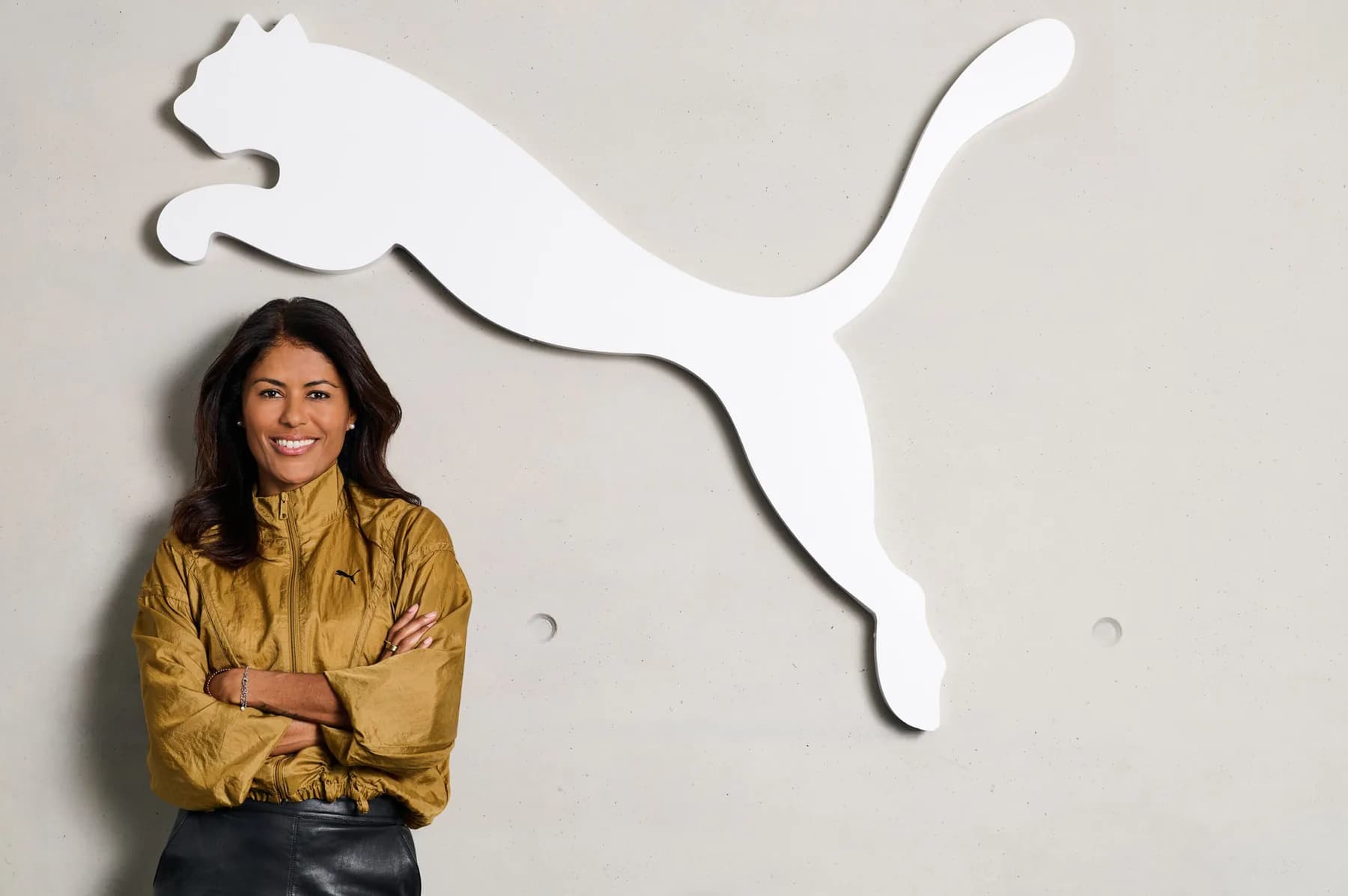
PUMA is not simply adding a new executive; it is reinforcing the structure behind its commercial engine.
The appointment of Marcia Dos Santos as Vice President BU Core, effective July 15, signals a sharper focus on merchandising, go-to-market execution, and category alignment within the brand’s evolving business model.
Leadership role and strategic intent
The creation of the BU Core role is itself significant. PUMA is formalizing a division that sits at the center of its commercial performance, separating it from Sportstyle as the brand refines its structure.
By placing Core as a dedicated business unit, PUMA highlights its importance as the driver of volume, consistency, and revenue.
Marcia Dos Santos will report directly to Maria Valdes, Chief Brand Officer, PUMA, which places the role close to brand-level decision-making.
This alignment suggests that Core is not only about sales execution, but also about how product, storytelling, and market strategy connect across regions.
Therefore, the appointment reflects a move toward tighter integration between brand direction and commercial output.
Marcia Dos Santos’ profile and experience
Marcia Dos Santos brings more than 20 years of experience in the sports industry, most recently serving as Vice President Merchandising Women’s EMEA at Nike.
Her background spans women’s, men’s, and kids’ categories, as well as multiple regions and retail environments.
This experience matters for a role focused on Core. Merchandising sits at the intersection of product, consumer demand, and market timing.
Dos Santos’ track record in delivering commercial results and managing go-to-market strategies positions her to refine how PUMA builds assortments, plans drops, and balances global consistency with local relevance.
Her ability to build teams also plays a key role. As PUMA restructures around clearer business units, leadership will need to align internal teams across product, marketing, and retail.
Therefore, the appointment is as much about organizational capability as it is about individual expertise.
Core business as commercial engine
PUMA explicitly frames Core as its “commercial engine,” which clarifies the function of this new structure. While Sportstyle often carries brand heat and cultural relevance, Core drives scale, accessibility, and repeat purchasing. It includes the products that anchor retail floors and generate steady demand across seasons.
By strengthening leadership in this area, PUMA signals that growth will depend on execution as much as on storytelling. Core must deliver the right product at the right time, in the right markets, with clear pricing and positioning.
Consequently, Dos Santos’ role will likely focus on improving sell-through, refining assortments, and ensuring that key franchises perform consistently across regions.
Transformation context and category alignment
The appointment sits within PUMA’s broader transformation journey. The decision to create separate teams for Sportstyle and Core reflects a shift toward clearer category focus. Instead of blending lifestyle and commercial product into one structure, PUMA is defining how each segment operates and contributes to the business.
This separation allows for more precise strategy. Sportstyle can push cultural relevance and design experimentation, while Core focuses on scale and profitability.
However, both must still align under one brand vision. Therefore, leadership roles like BU Core become critical in ensuring that commercial success supports, rather than dilutes, brand positioning.
Why it matters for the industry
For players, fans, and collectors, PUMA appoints Marcia Dos Santos as Vice President BU Core highlights how brands are evolving internally to compete more effectively.
Success no longer depends only on product design or marketing campaigns. It also depends on how well companies manage assortments, timing, and regional execution.
At the same time, the move reflects a wider industry trend. Major sportswear brands are restructuring around clearer business units, separating lifestyle storytelling from commercial fundamentals. This allows them to scale efficiently while still maintaining cultural relevance.
In that context, PUMA’s decision to bring in Dos Santos reads as a strategic step. It strengthens the foundation of its Core business while supporting the brand’s broader transformation.
The appointment positions PUMA to execute more consistently across markets, ensuring that its commercial engine keeps pace with its ambitions in sport and style.