Why Store Design Shapes the Footwear Brand Experience
Buying shoes used to be a more transactional experience. You went to the store, found your size, tried…
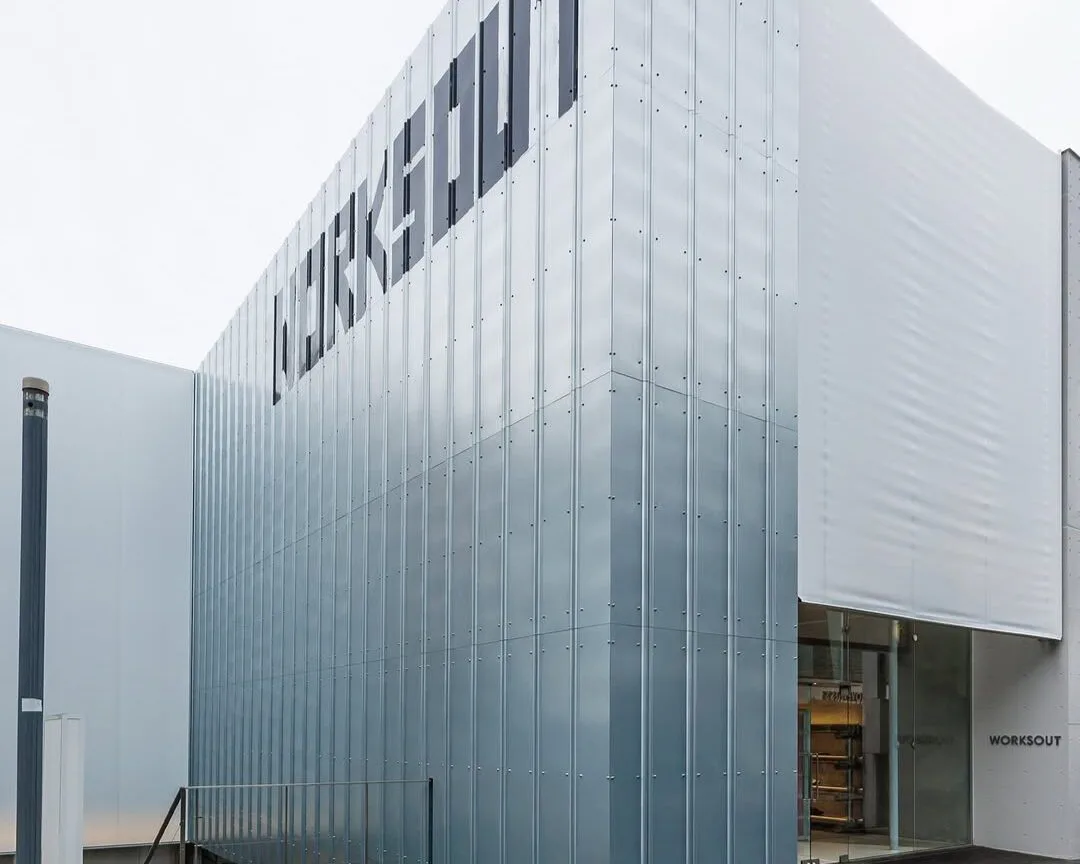
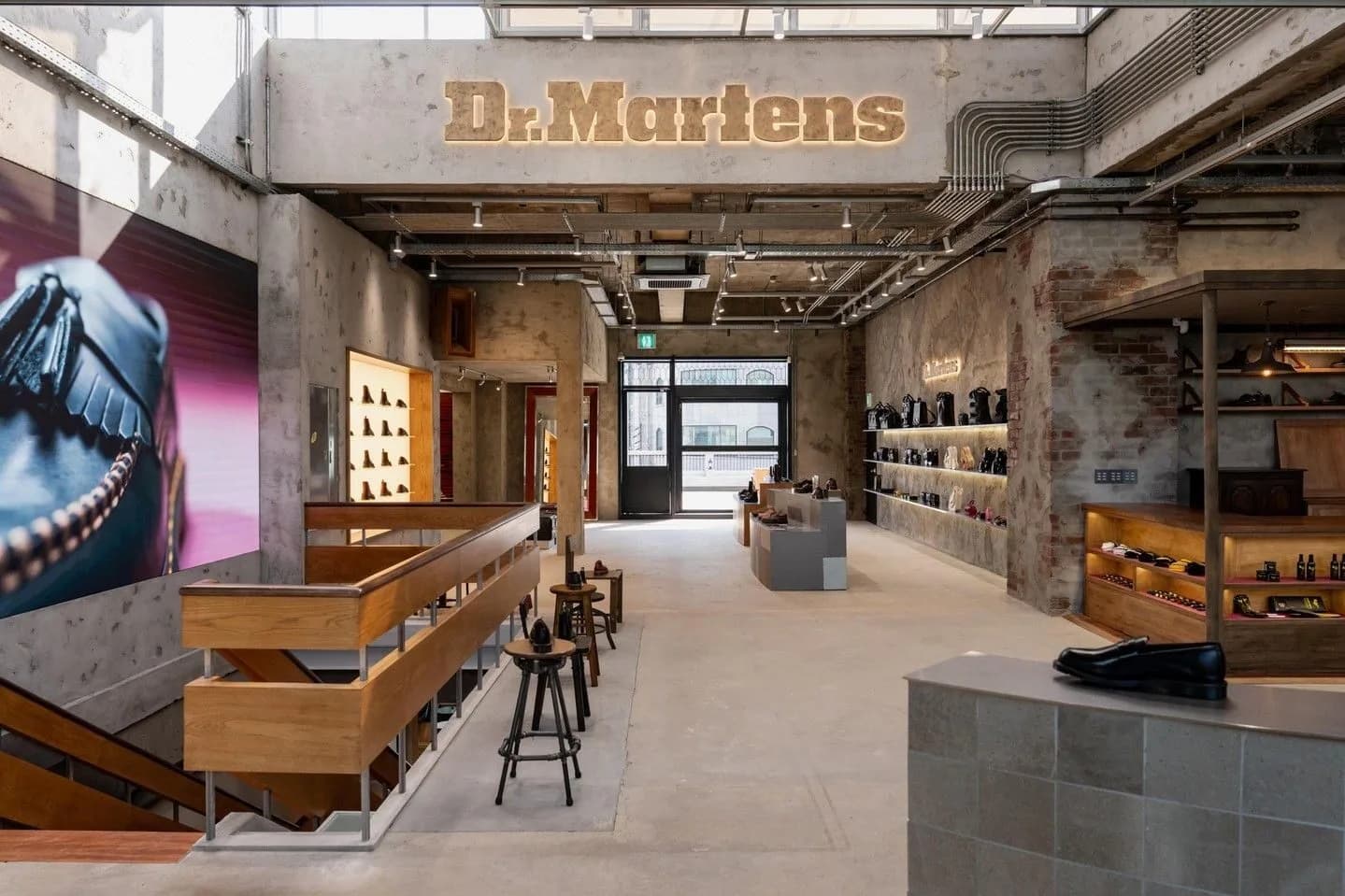
Buying shoes used to be a more transactional experience. You went to the store, found your size, tried them on, and left. The environment around that process, including the shelving, the seating, and the lighting, was infrastructure. Background. Recent flagship openings from On, Birkenstock, Dr. Martens, and others have shifted that considerably.
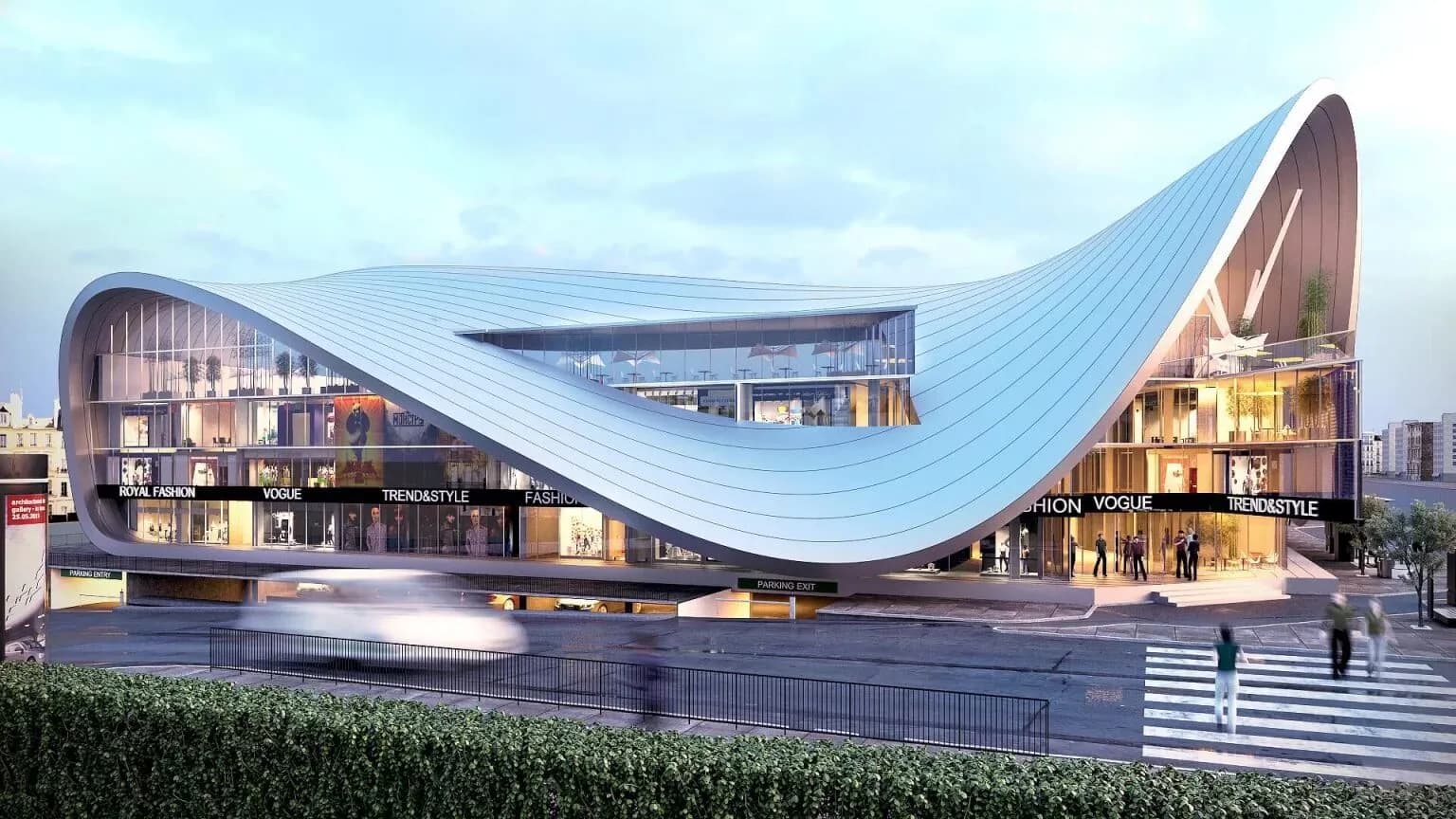
The store is now where a brand’s character gets made physical. Walking into a well-designed footwear flagship is less like visiting a sales floor and more like stepping into an argument about what the brand stands for.
What Furniture and Fixtures Are Actually Communicating
The objects inside a store, including the display tables, the seating, the product pedestals, and the shelving, do a kind of quiet persuasion that precedes anything a staff member says. A seating area in warm, unfinished timber with soft lighting positions the customer very differently from a backless chrome bench under overhead track lights. Neither is wrong. They are making opposite claims about what kind of brand this is and who belongs in it. Shoppers pick up on these signals without consciously processing them.
For brands developing custom retail elements for a new space, seeing how those pieces will actually read within the store plan matters considerably. Before a flagship store opens, brands often need to review custom seating, display tables, product pedestals, shelving, and consultation zones in context. Furniture rendering services can help teams assess materials, proportions, and spatial fit before production or installation. A technical drawing communicates dimensions. A rendered view of a consultation bench at scale, in the intended material, within the actual store footprint, communicates whether the piece is doing the right job.
What the Materials Are Saying
Stone, timber, cork, cast concrete, and brushed steel all carry brand information efficiently and without copy. Birkenstock’s Berlin flagship uses natural materials that trace back to the brand’s founding logic. On’s spaces are precise and restrained in a way that mirrors how the products themselves are engineered.
These choices are not decorative. They are the spatial equivalent of the product design decisions, made carefully for specific reasons and legible to customers who may not be able to articulate exactly why the store feels right. Heritage brands and performance brands tend to reach for opposite ends of the material spectrum. The stores that feel most coherent are the ones where there is genuine alignment between what the space is made of and what the brand is actually claiming.
The Store as Part of the Brand’s Visual Identity
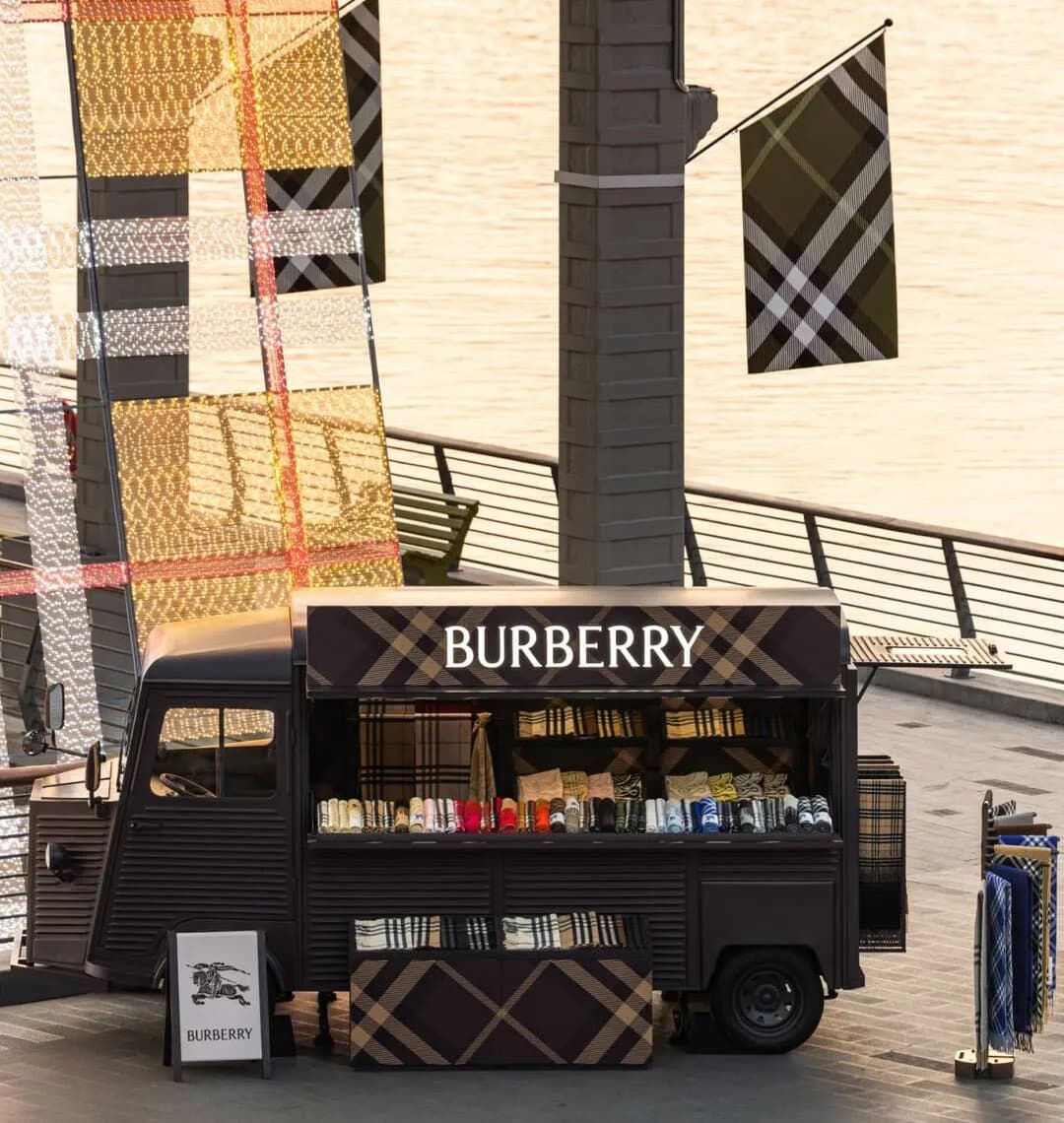
A flagship now gets photographed, filmed, and shared well beyond its direct footfall. Launch coverage, earned media, campaign photography, and influencer content all flow through the physical store in ways that extend its reach considerably. This is increasingly how retail investment gets evaluated. It is not only through the sales generated inside the space, but through the brand impression it creates in audiences who encounter it through images.
A store that reads clearly in a photograph carries value beyond the customer standing in it. Retail design rarely exists in isolation from the rest of the brand’s visual system. Broader product visualization portfolios such as https://cgifurniture.com/ illustrate how lifestyle scenes, product imagery, and spatial presentation can be developed with a consistent visual direction. The gap between how a brand presents online and how it presents in-store has become more visible to customers and more worth closing.
The Practical Work the Store Also Needs to Do
Alongside brand expression, the interior also has a navigation job. Clear separation between product lines, with performance alongside lifestyle and premium collections given enough room to be read individually, helps customers understand what they are looking at without needing to ask. A fitting area with adequate seating at the right height makes the trial experience more comfortable than one where the customer is perching on the edge of a display platform.
The stores that work best as brand environments also tend to work best as shopping environments. The spatial logic and the brand logic point in the same direction. Effective retail design often looks more restrained than people expect. The flagships that stay memorable tend to have a clear idea executed consistently throughout, where the material on the wall and the height of the display table are both answering the same question about the brand. In a market where physical retail is having to justify its role more deliberately, that kind of coherence is worth building carefully.