adidas Brings Next-Generation Cooling Tech to the 2026 World Cup
The 2026 World Cup will not only spotlight the best players in the world. It will also highlight…






Photo gallery · 1 / 6Swipe to explore · 6 photos
The 2026 World Cup will not only spotlight the best players in the world. It will also highlight how far performance technology can go when climate, data and design all collide on the biggest stage. This year marks how adidas Continues To Advance Footwear and Performance Technology for the 2026 World Cup, setting new standards for innovation in the sport.
CLIMACOOL SYSTEM (cooling for extreme heat)
Adidas’ new CLIMACOOL SYSTEM sits at the center of this push. The three-piece setup cooling vest, jacket and overshoe tackles the high temperatures and humidity expected across host cities in the United States, Canada and Mexico.
It is built to lower core body temperature, improve heat tolerance and help players maintain endurance when conditions spike. In fact, adidas Continues To Advance Footwear and Performance Technology for the 2026 World Cup through such groundbreaking innovations.
The vest and jacket work as a pair on the upper body. Players wear the vest over their jersey; inside it, a special gel is frozen before use. As that gel slowly thaws, it transfers cold to the torso, abdomen and back, which helps bring body temperature down in a controlled way.
An insulating federation jacket then goes over the top. Its airproof construction traps cold air around the vest and almost doubles the cooling effect. Together, the two pieces can reduce core temperature by up to 0.5°C and skin temperature by as much as 13°C, giving players a calmer, cooler state before they step onto the pitch.
The cooling overshoe completes the system. It slips directly over a player’s boot and uses a cooling gel to drop foot temperature by around 2°C in just seven minutes. That quick reset can ease overheating and swelling without dulling feel for the ball.
Crucially, players remove the overshoe before play, so touch and dexterity for dribbling, passing and shooting remain intact. Notably, adidas Continues To Advance Footwear and Performance Technology for the 2026 World Cup by refining every part of the player’s experience.
From F1 cockpits to World Cup touchlines
This technology did not start in football. Adidas originally created the cooling concept to help Mercedes‑AMG Petronas Formula 1 drivers cope with extreme cockpit temperatures. Over several years, the brand tested and adapted the system for football with clubs like Manchester United, Juventus and Arsenal.
During that process, designers added details tailored to the sport, such as a front zip on the vest for fast use on the touchline. Medical staff and players gave direct feedback, which informed how long the gel should stay cold, how the pieces should fit over kits and how easy they should be to put on and take off during short windows.
As a result, the CLIMACOOL SYSTEM now feels like a football tool, not a borrowed gadget. Furthermore, adidas Continues To Advance Footwear and Performance Technology for the 2026 World Cup with every technical improvement.
Innovation across kits, boots and the match ball
The CLIMACOOL SYSTEM is one part of a wider innovation story for 2026. New federation kits for 14 teams bring back the adidas Trefoil logo on World Cup away shirts for the first time in 36 years. At the same time, they introduce CLIMACOOL+ materials that manage heat and moisture more efficiently, helping players stay cool and dry across intense, late‑tournament matches.
The TRIONDA Official Match Ball also carries updated Connected Ball Technology. Built‑in sensors support faster, more precise officiating decisions, linking the physical ball with live data and video systems.
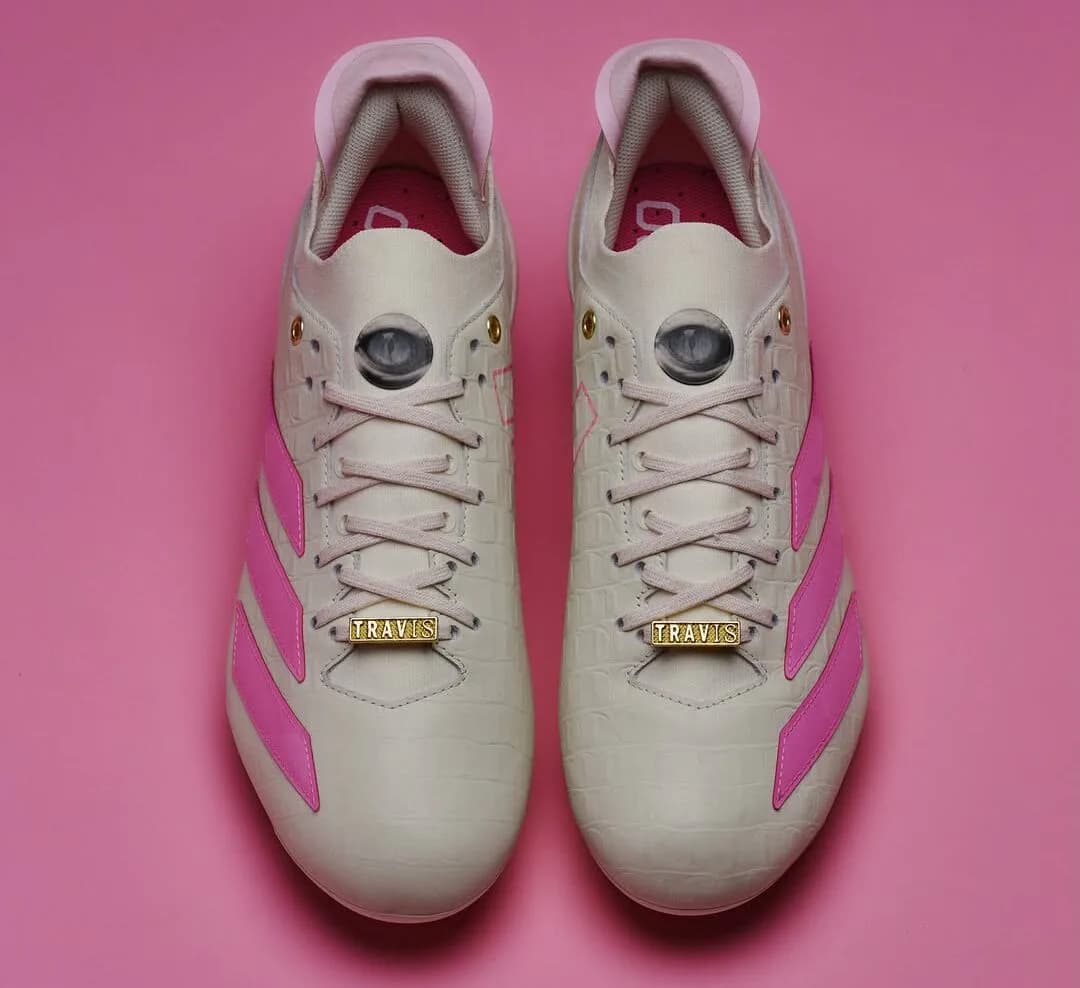
On players’ feet, the F50 Hyperfast Evo arrives as adidas’ lightest World Cup boot to date. That boot focuses on straight‑line speed and rapid acceleration, which can make the difference in knockout games decided by a single run.
World Cup as a live test bed
Conditions in 2026 will be demanding. Several host cities, including Miami, Dallas and Monterrey, can exceed 30°C, and humidity will add another layer of stress. In that environment, cooling systems, breathable kits and ultra‑light boots are not just marketing stories; they are performance necessities.
By providing the CLIMACOOL SYSTEM to all of its partner federations, adidas turns the World Cup into a live test bed for climate‑driven sportswear innovation. Teams gain tools to manage heat more safely and effectively. In summary, adidas Continues To Advance Footwear and Performance Technology for the 2026 World Cup, raising the bar for competition-level gear.
Fans, meanwhile, get a front‑row view of how quickly performance gear is evolving in response to new realities. If 2022 proved that heat is now a central factor in elite sport, 2026 aims to show how design and technology can help athletes meet that challenge head‑on.