Over the last decade, the footwear industry has undergone a quiet but fundamental reset. What once functioned as a product driven category increasingly operates as a culture led system, shaped as much by identity, values, and distribution control as by design or materials. The forces that mattered most were not seasonal trends or breakout silhouettes, but structural shifts in how consumers assign value, how brands capture margin, and how relevance is built and sustained.
The list below outlines the core drivers that reshaped footwear over the past ten years, forces that rewrote pricing logic, collapsed traditional categories, and separated brands that adapted from those still selling into an industry that no longer exists.
| # | Core Industry Shift | Industry Driver Description | Brand Example |
|---|
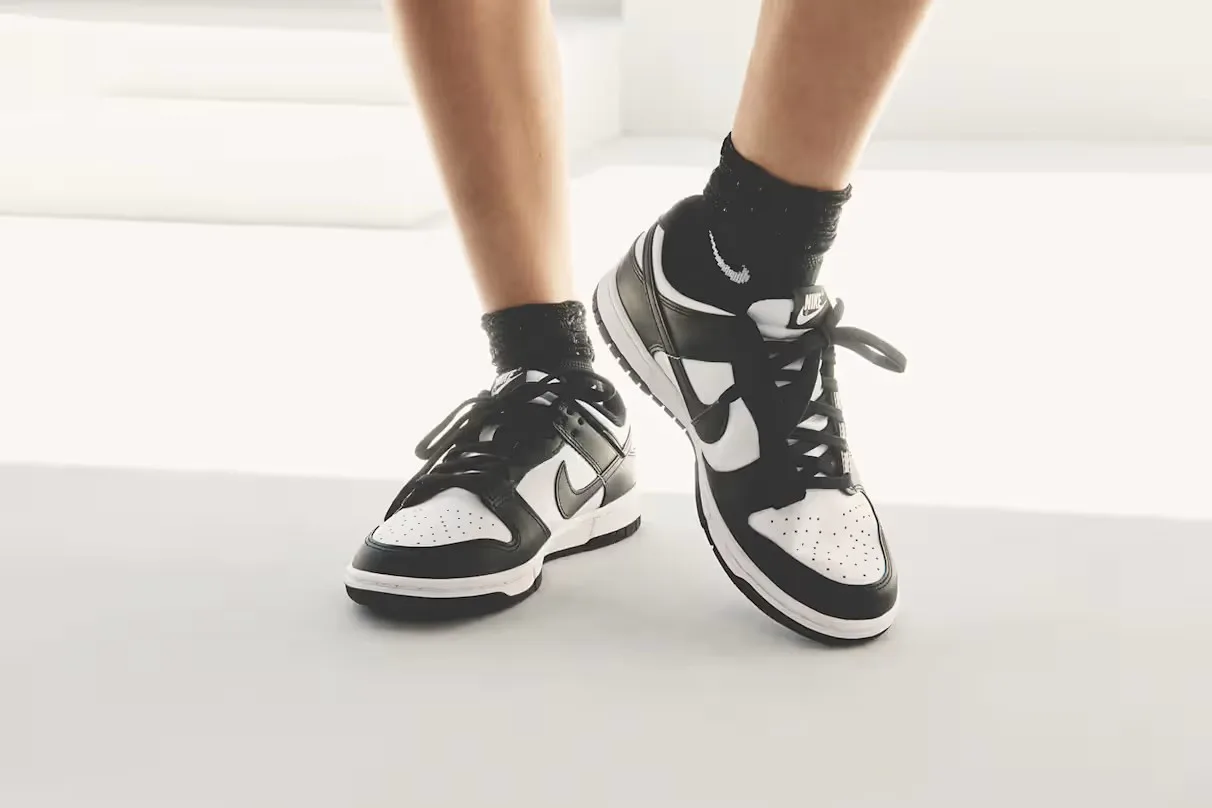
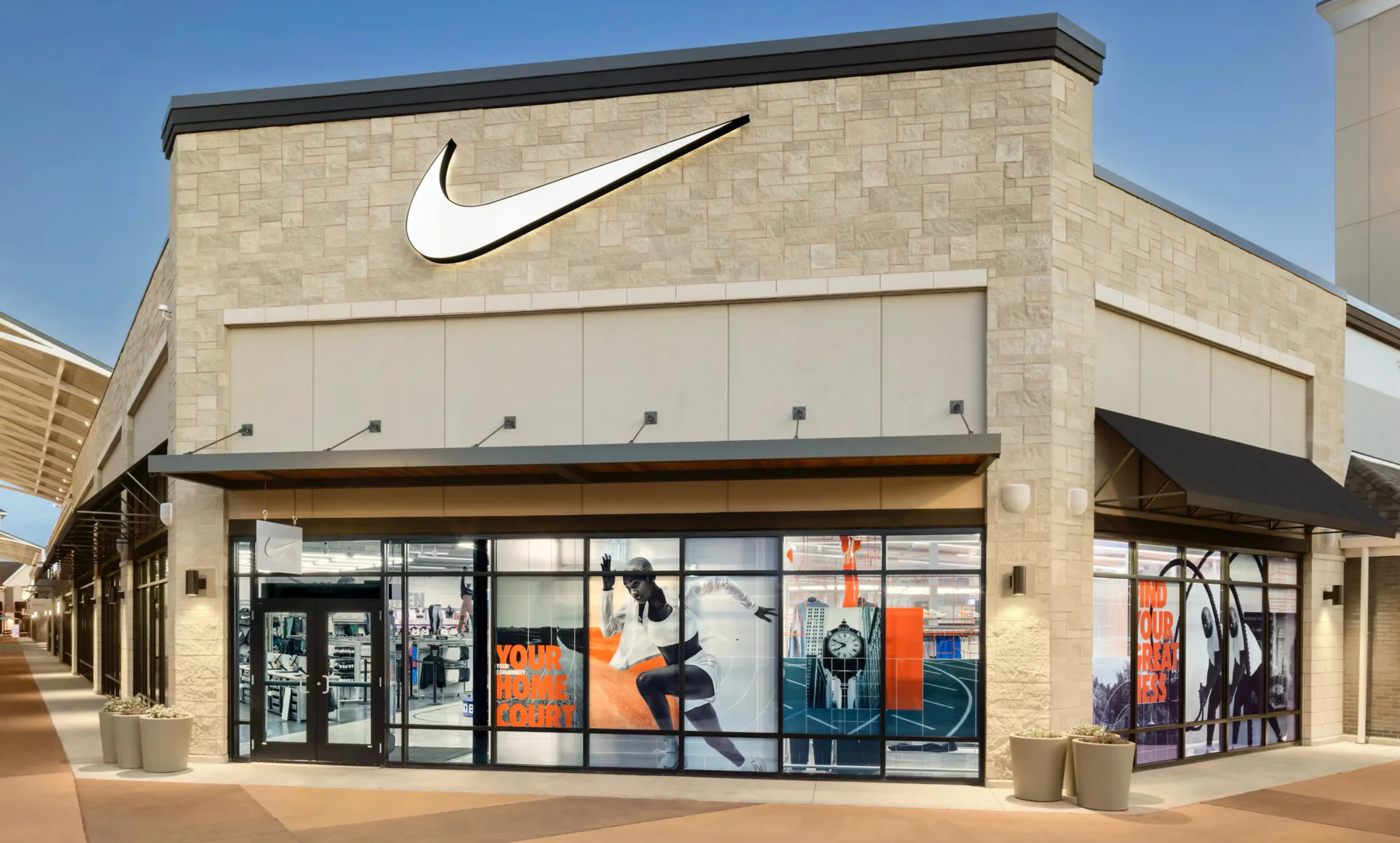
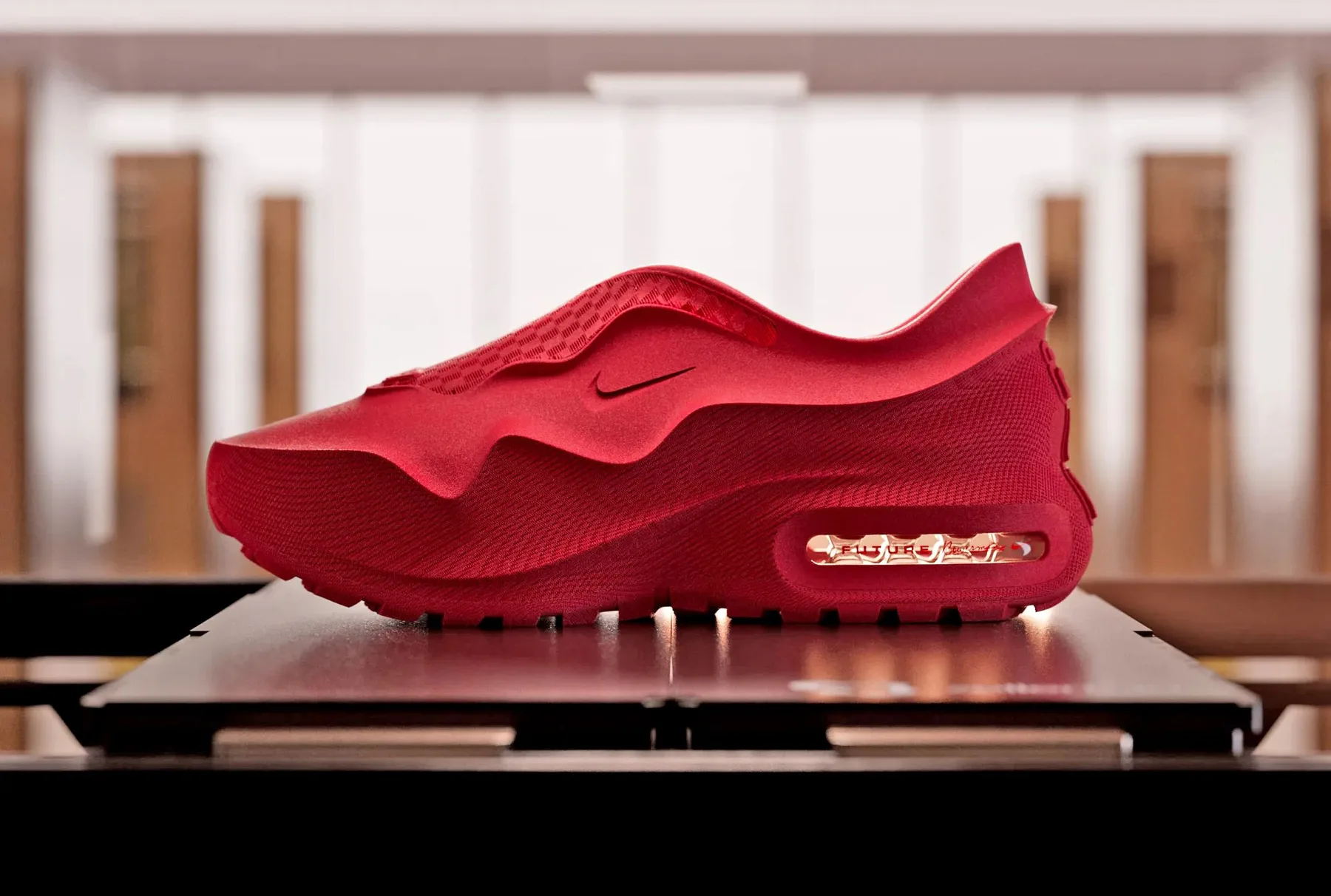
| 1 | Sneaker Culture Became the Business Model | Sneakers shifted from functional products to cultural assets. Value creation moved from materials and durability to scarcity, collaboration, and cultural relevance, reshaping pricing, margins, and demand cycles. | Nike |
| 2 | Comfort Replaced Category Loyalty | Comfort became the primary purchase driver across footwear categories. Traditional use-based distinctions collapsed as consumers prioritized cushioning, flexibility, and all-day wearability over formality or sport specificity. | HOKA |
| 3 | Direct-to-Consumer Rebalanced Power | DTC shifted control of pricing, data, and brand narrative from wholesale to brands. This enabled faster iteration, higher margins, and greater influence over consumer demand. | Allbirds |
| 4 | Sustainability Shifted From Storytelling to Scrutiny | Sustainability evolved from marketing language to operational accountability. Brands faced increased pressure to substantiate claims across materials, sourcing, and product longevity. | Veja |
| 5 | Performance Technology Lost Its Niche | Advanced performance technologies moved into everyday footwear, raising baseline expectations and supporting premium pricing through technical differentiation. | ASICS |
| 6 | Shoes Became Identity Objects | Footwear became a visible signal of taste, values, and cultural alignment, amplified by social media and digital circulation. | New Balance |
| 7 | The Market Split, the Middle Thinned | Consumer spending polarized toward premium cultural products or value-driven utility, eroding the viability of undifferentiated mid-market brands. | Birkenstock |
| 8 | Operational Resilience Became Design Strategy | Supply chain volatility forced brands to simplify assortments, reduce complexity, and integrate operational resilience into design and merchandising decisions. | Salomon |
1. Sneaker Culture Became the Business Model (Nike)
[
View this post on Instagram
](https://www.instagram.com/p/C6bb0w3LYMl/?utm_source=ig_embed&utm_campaign=loading)
What was once a subculture evolved into a revenue engine. Scarcity, collaborations, and resale dynamics shifted footwear value away from durability and toward relevance, timing, and cultural participation.
2. Comfort Replaced Category Loyalty (HOKA)
[
View this post on Instagram
](https://www.instagram.com/p/DTiRhMVDoeT/?utm_source=ig_embed&utm_campaign=loading)
Athleisure collapsed the boundaries between performance, lifestyle, and workwear. Consumers stopped buying by category and started buying by feel, making comfort the minimum requirement rather than a differentiator.
3. Direct to Consumer Rebalanced Power (ALLBIRDS)
[
View this post on Instagram
](https://www.instagram.com/p/DQWpbluj51H/?utm_source=ig_embed&utm_campaign=loading)
Owning the customer relationship became the most valuable asset in footwear. DTC gave brands pricing control, narrative authority, and real-time demand signals, fundamentally weakening wholesale gatekeepers.
4. Sustainability Shifted From Storytelling to Scrutiny (VEJA)
[
View this post on Instagram
](https://www.instagram.com/p/DTsypSsD3pt/?utm_source=ig_embed&utm_campaign=loading)
Environmental positioning stopped functioning as brand polish and became an operational reality. Materials, durability, and transparency moved under the microscope, turning vague claims into reputational risk.
5. Performance Technology Lost Its Niche (ASICS)
[
View this post on Instagram
](https://www.instagram.com/reel/DRt-iqBgRov/?utm_source=ig_embed&utm_campaign=loading)
Innovation once reserved for elite athletes flowed into everyday footwear. Advanced cushioning and stability systems raised baseline expectations and reframed what consumers were willing to pay for.
6. Shoes Became Identity Objects (NEW BALANCE)
[
View this post on Instagram
](https://www.instagram.com/reel/DHGgkBhRIu0/?utm_source=ig_embed&utm_campaign=loading)
Footwear emerged as one of the fastest ways to signal taste, values, and cultural awareness. Designed to circulate online, shoes increasingly served the feed before the foot.
7. The Market Split, the Middle Thinned (BIRKENSTOCK)
[
View this post on Instagram
](https://www.instagram.com/p/DSXmtASjAKM/?utm_source=ig_embed&utm_campaign=loading)
Consumer spending is polarized. Shoppers either paid up for meaning, innovation, and cultural relevance or paid down for function and value, leaving mid tier positioning increasingly untenable.
8. Operational Resilience Became Design Strategy (SALOMON)
[
View this post on Instagram
](https://www.instagram.com/p/DPd3Ha0iEiQ/?utm_source=ig_embed&utm_campaign=loading)
Supply chain disruptions forced brands to rethink complexity. Fewer SKUs, simpler constructions, and diversified sourcing became strategic advantages rather than cost concessions.