Nike (Form Follows Motion) Explores the Brand’s Design Legacy at MAD
This fall, New York’s Museum of Arts and Design will treat Nike not just as a sports brand,…
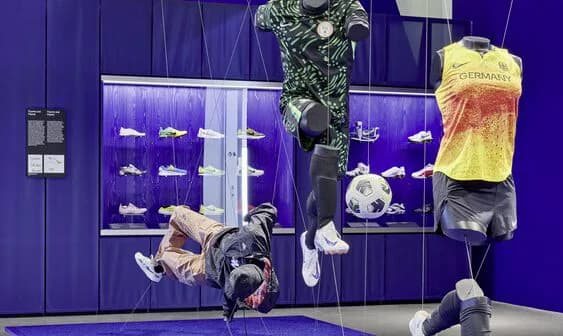
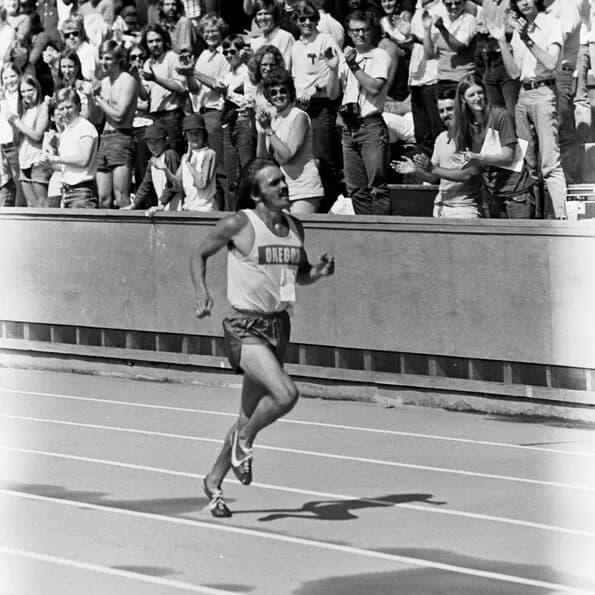
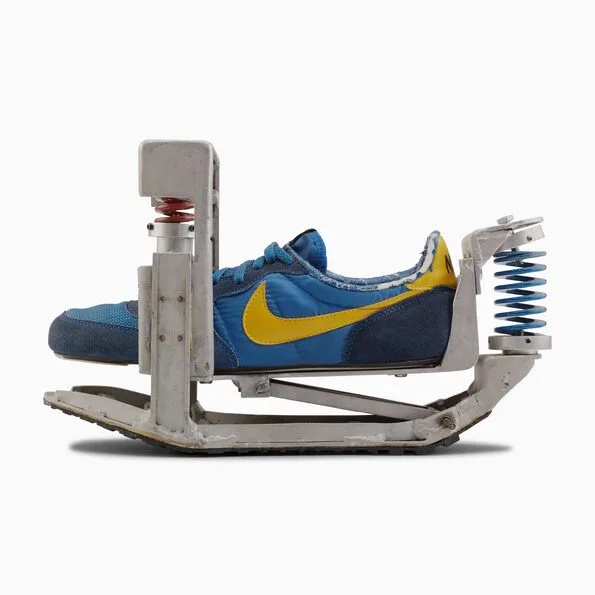
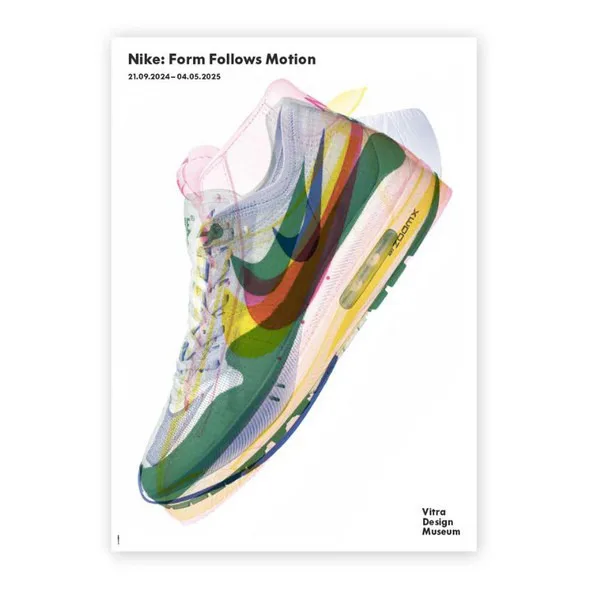
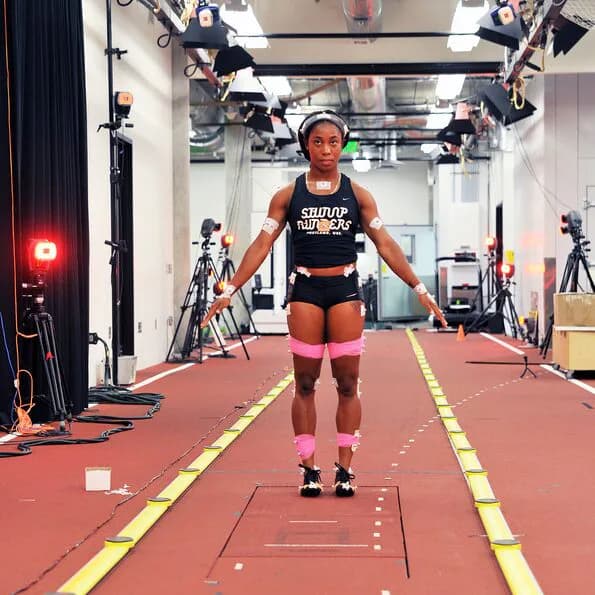
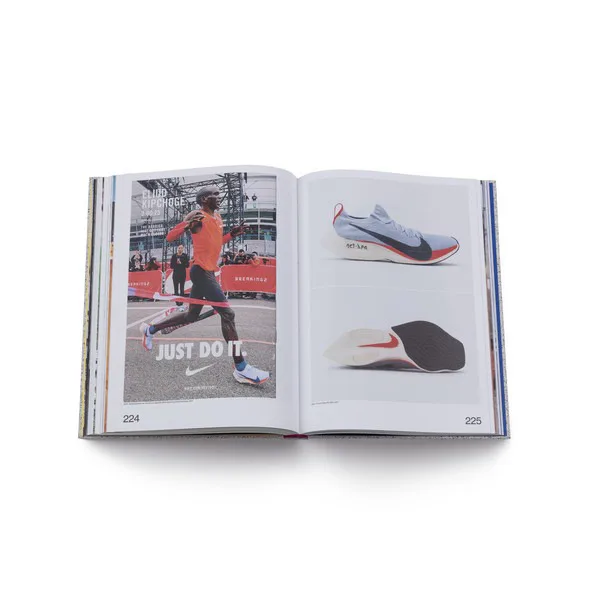
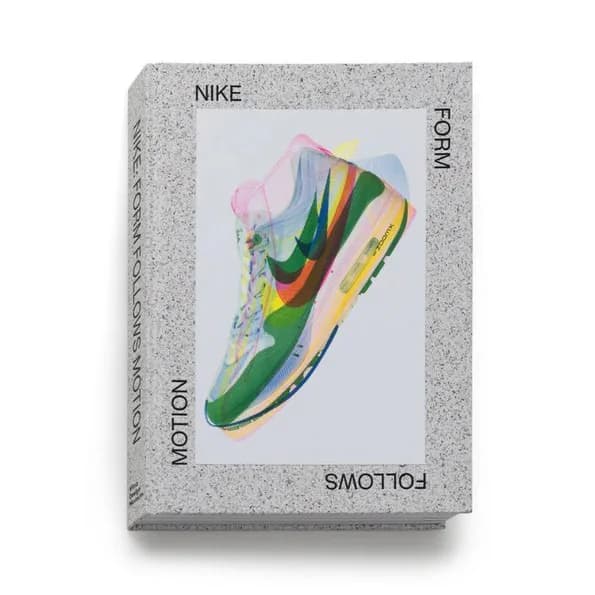
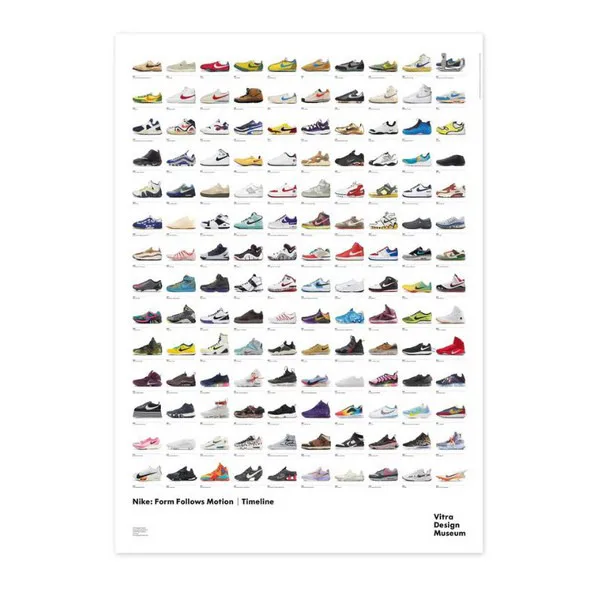
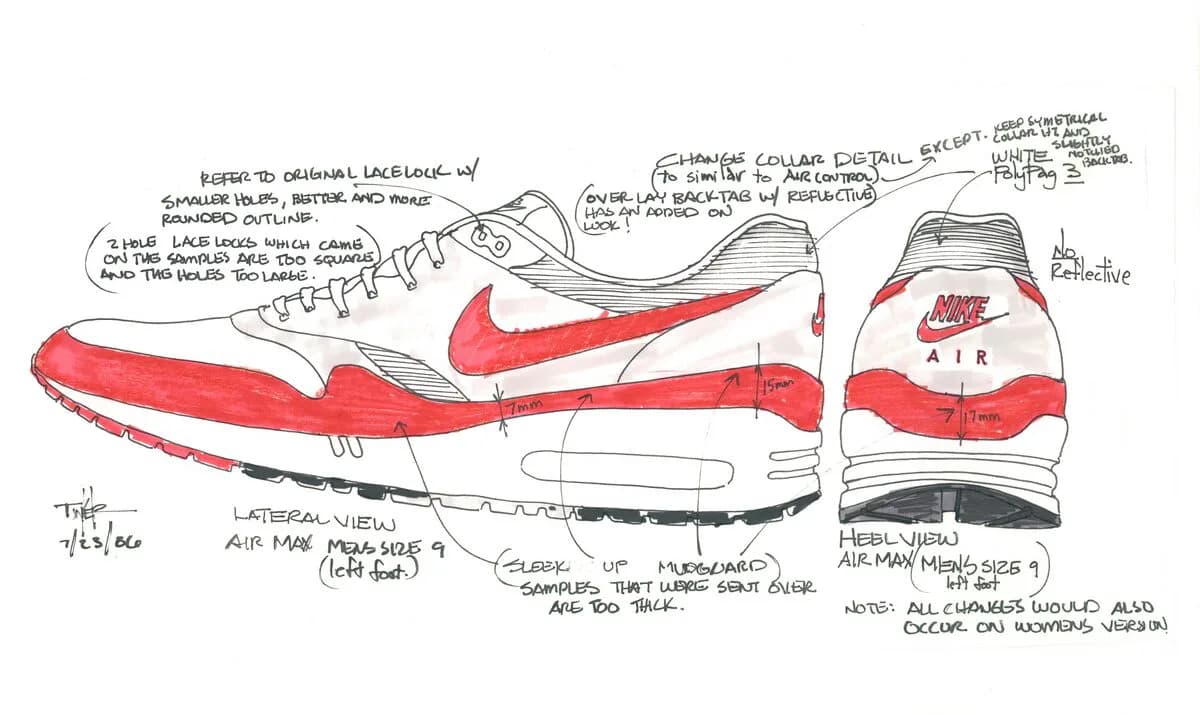
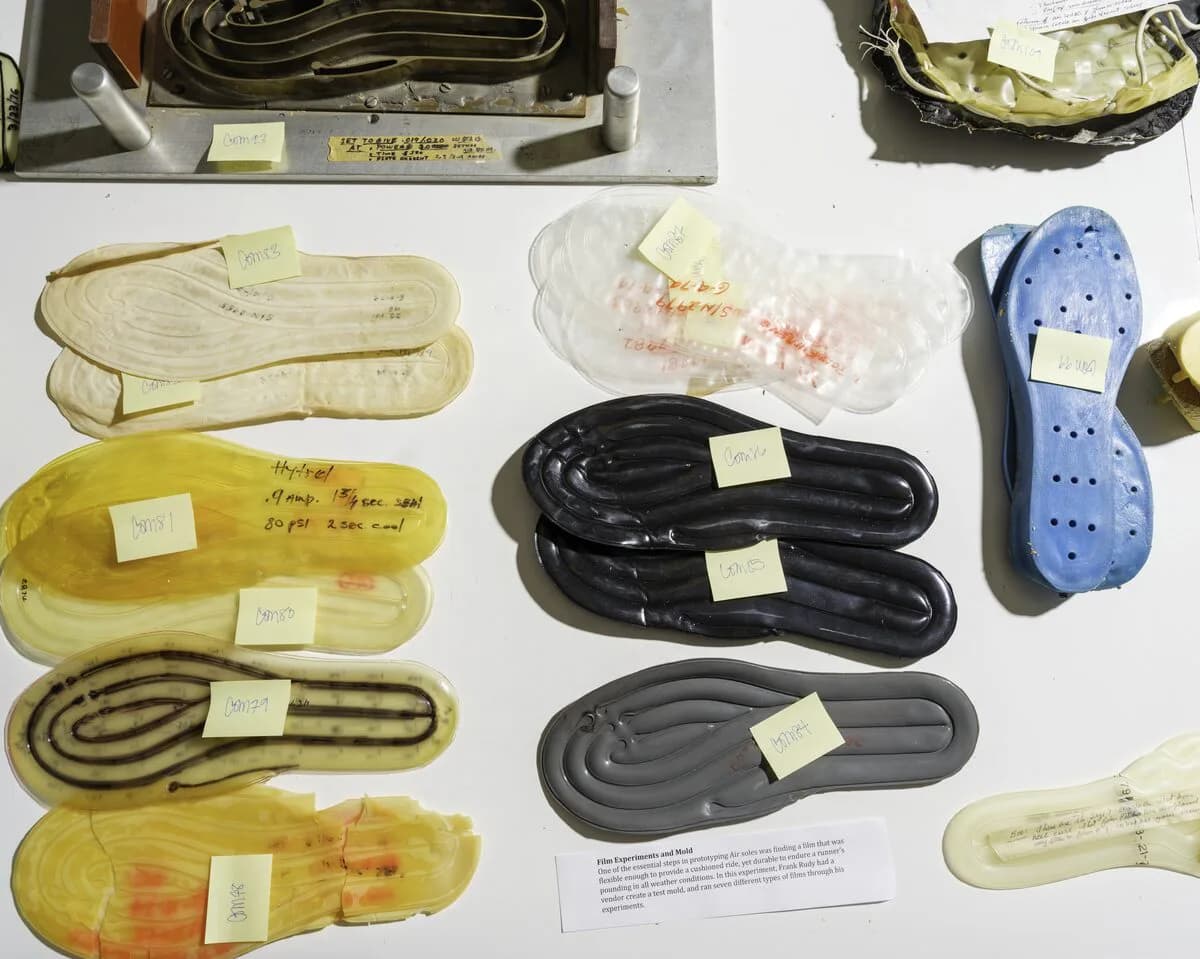
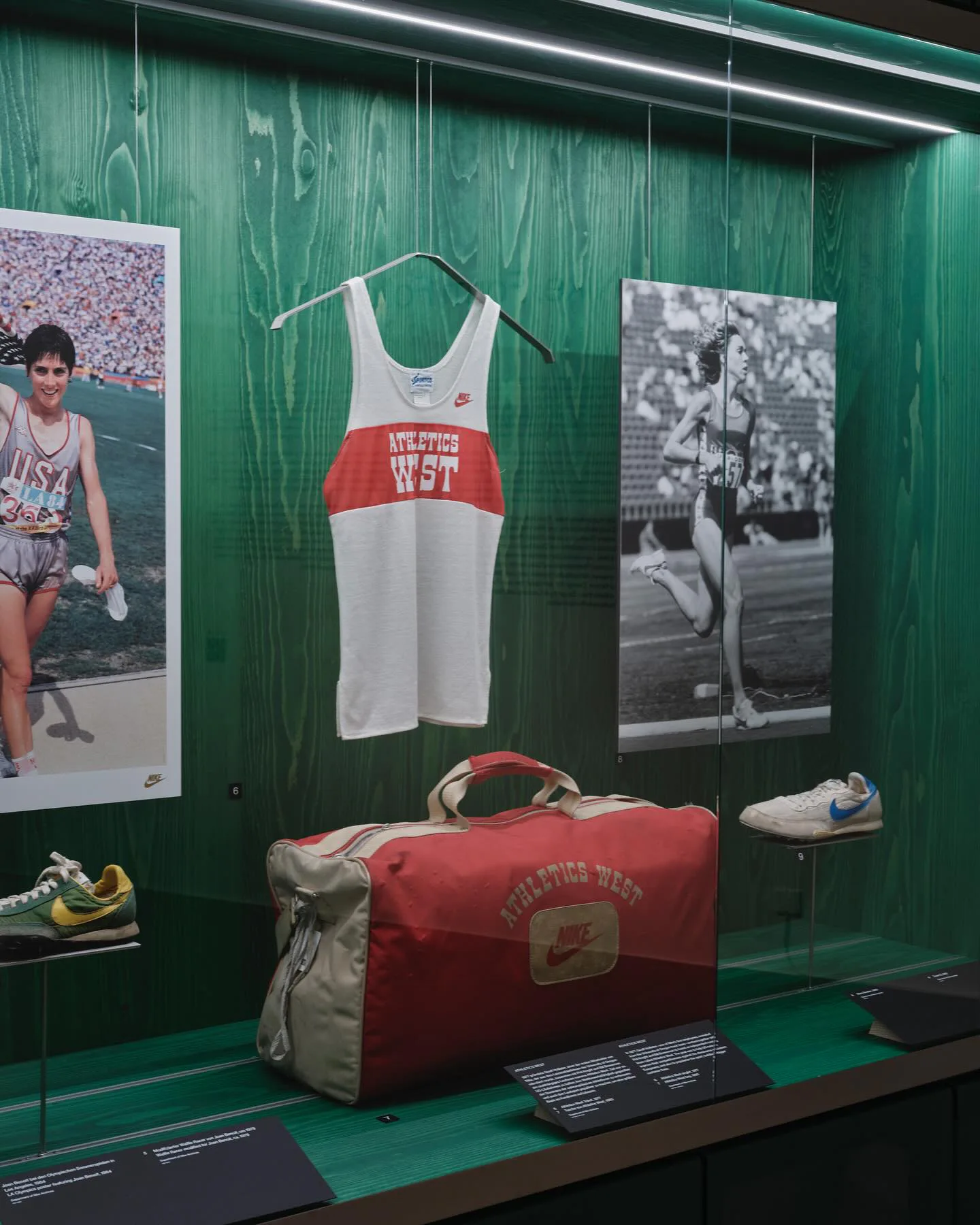
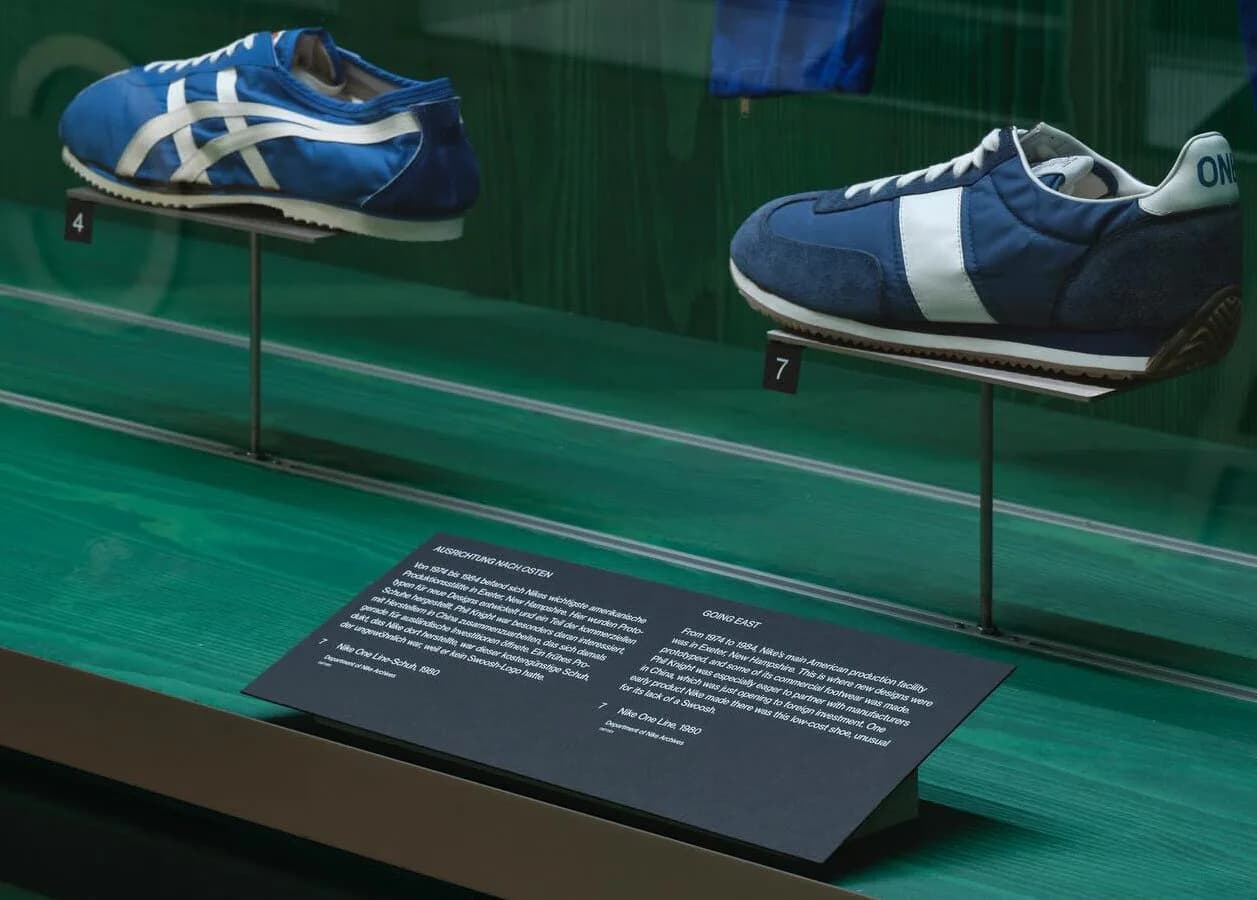
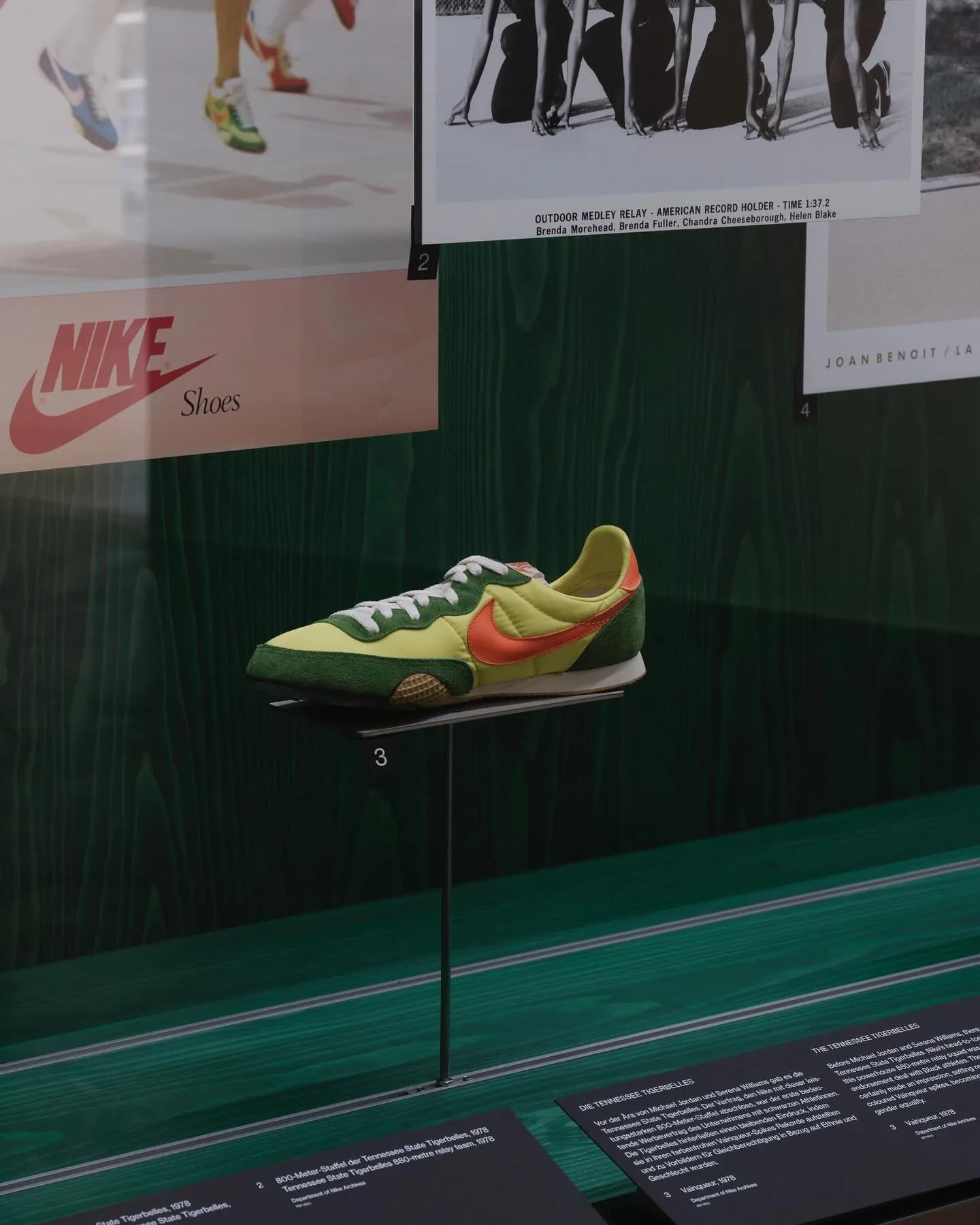
Photo gallery · 1 / 13Swipe to explore · 13 photos
This fall, New York’s Museum of Arts and Design will treat Nike not just as a sports brand, but as a full cultural force. “Nike: Form Follows Motion” traces how a small Oregon running company became a global design engine that shapes sport, style and identity far beyond the playing field. In fact, the idea of Nike Form Follows Motion perfectly encapsulates the exhibition’s core narrative.
Sport as design laboratory
The exhibition, developed with the Vitra Design Museum and curated by Glenn Adamson, spans five decades of Nike history.
In exploring this story of innovation, the curators highlight the concept that motion follows form in Nike’s philosophy, an approach summed up as Nike Form Follows Motion. It shows sport as a constant testing ground for new ideas: from Bowerman’s first waffle soles poured in a kitchen to today’s most advanced performance systems.
Prototypes, early sketches and one‑off samples sit beside icons like the Waffle Trainer, Air Force 1, Air Jordan, Air Max, Flyknit and Vaporfly, turning familiar shoes into design case studies and embodying the Nike philosophy that form follows motion in each creation.
By organizing the show into four sections Track, Air, Sensation and Relation the museum maps a clear evolution. It moves from raw experimentation on the track, through the invention of visible Air, into biomechanics and lab-driven performance, and finally into the cultural relationships that turned Nike into a shared global language.
Ultimately, these sections reinforce the exhibition’s theme: Nike’s journey confirms that Form Follows Motion for every product and story told.
Beyond performance (culture and community)
The later sections push hardest on Nike’s reach beyond sport. “Sensation” opens up the Nike Sport Research Lab, highlighting how projects like Nike Free, Flyknit and the Vaporfly/sub‑two‑hour marathon changed both performance expectations and sustainability conversations, all through the lens of Nike Form Follows Motion innovation.
Visitors see how data, materials science and environmental concerns now sit together in the design process another instance where Nike’s form follows the demands of motion.
“Relation” then shows how that technical base feeds culture. Around fifty footwear projects born from artist collaborations, subcultural partnerships and community initiatives reveal how sneakers became symbols of identity and resistance and how Nike Form and Motion are tightly intertwined through design innovation.
Music videos, social media artifacts and street-style imagery frame Nike as a platform where questions of diversity, equality and self‑expression play out in real time, illustrating the Nike Form Follows Motion ethos in broader culture.
Designers, athletes and archives on display
A key part of the exhibition is how it credits the people behind the Swoosh. Legendary in‑house designers like Tinker Hatfield, Eric Avar and Diane Katz appear alongside external collaborators and the athletes whose feedback has always driven the brief, mirroring the Nike Form Follows Motion mindset that values collaborative motion and dynamic innovation in shaping iconic products.
The message is that form at Nike really does follow motion: the body in action comes first, and design wraps around that reality, which is the heart of the Nike Form Follows Motion philosophy.
Much of the material comes from the Department of Nike Archives, a 200,000‑plus object collection normally kept behind closed doors, now showcasing how motion continually guides form in Nike’s evolution.
By opening that vault, MAD gives visitors a rare look at the rough experiments, test rigs and early Air units that sit behind today’s polished products and shows how those objects helped Nike push from sport into the wider culture, embodying Nike Form as it Follows Motion across eras.
Why this exhibition matters now
Timed to land between the Knicks’ 2026 Finals run, the World Cup and the U.S. Open, the show arrives when New York is already immersed in big sporting narratives. Within this context, Nike Form Follows Motion becomes even more pronounced as the company’s creative approach meets major athletic events.
That context makes its thesis feel especially sharp: sport is no longer separate from design, fashion or social change. Nike sits at that intersection more visibly than almost any other brand, propelled by the guiding principle that Form Follows Motion in every launch.
By framing the company inside a museum rather than a store, “Nike: Form Follows Motion” invites viewers to see sneakers and sportswear as design history, social history and personal history all at once a full embrace of Nike’s Form Follows Motion impact.
It underlines how deeply one brand’s innovations and its marketing, collaborations and myths have shaped the way we move, dress and express who we are, far beyond the scoreboard a direct result of Nike’s conviction that Form Follows Motion.