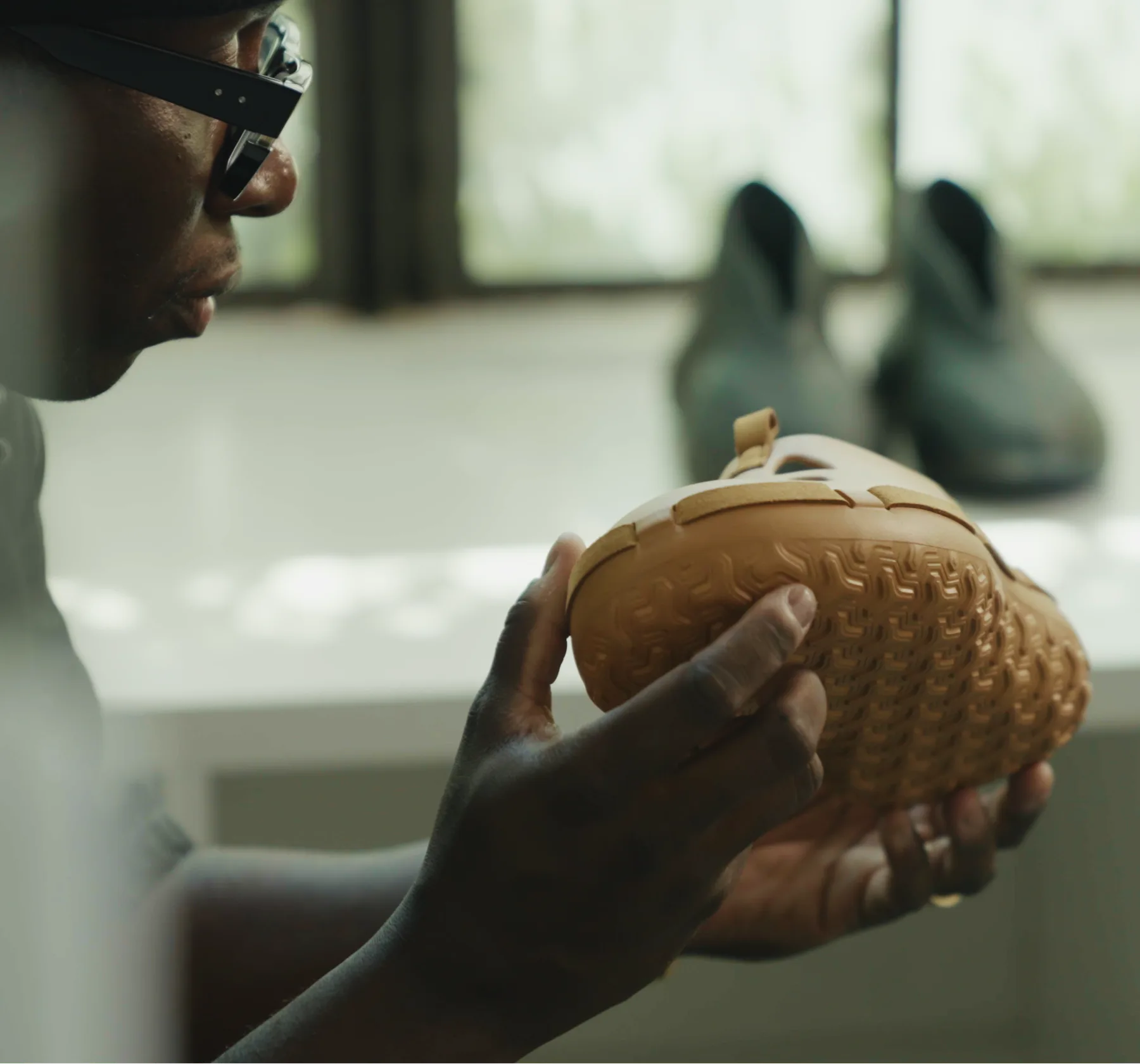
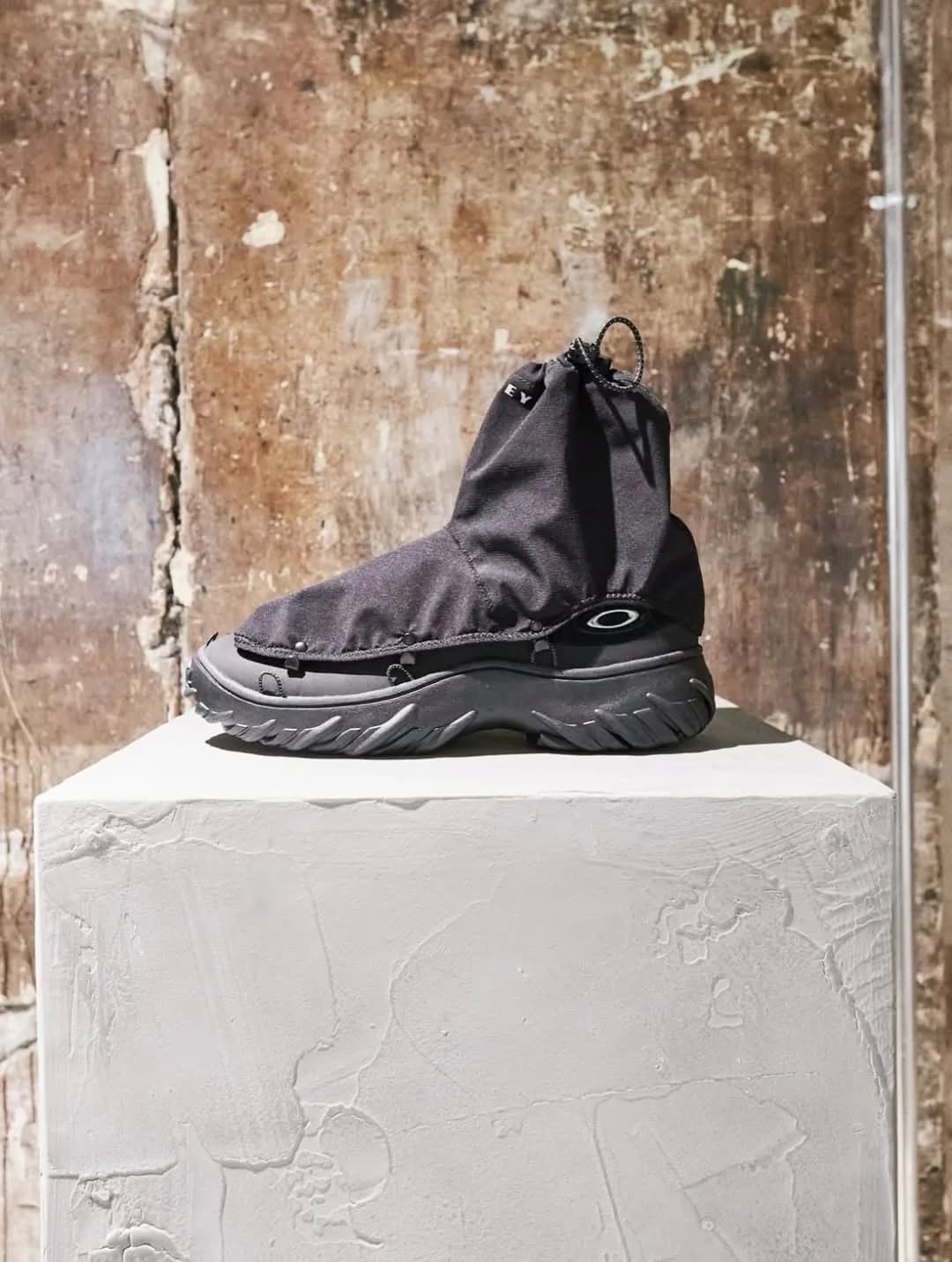
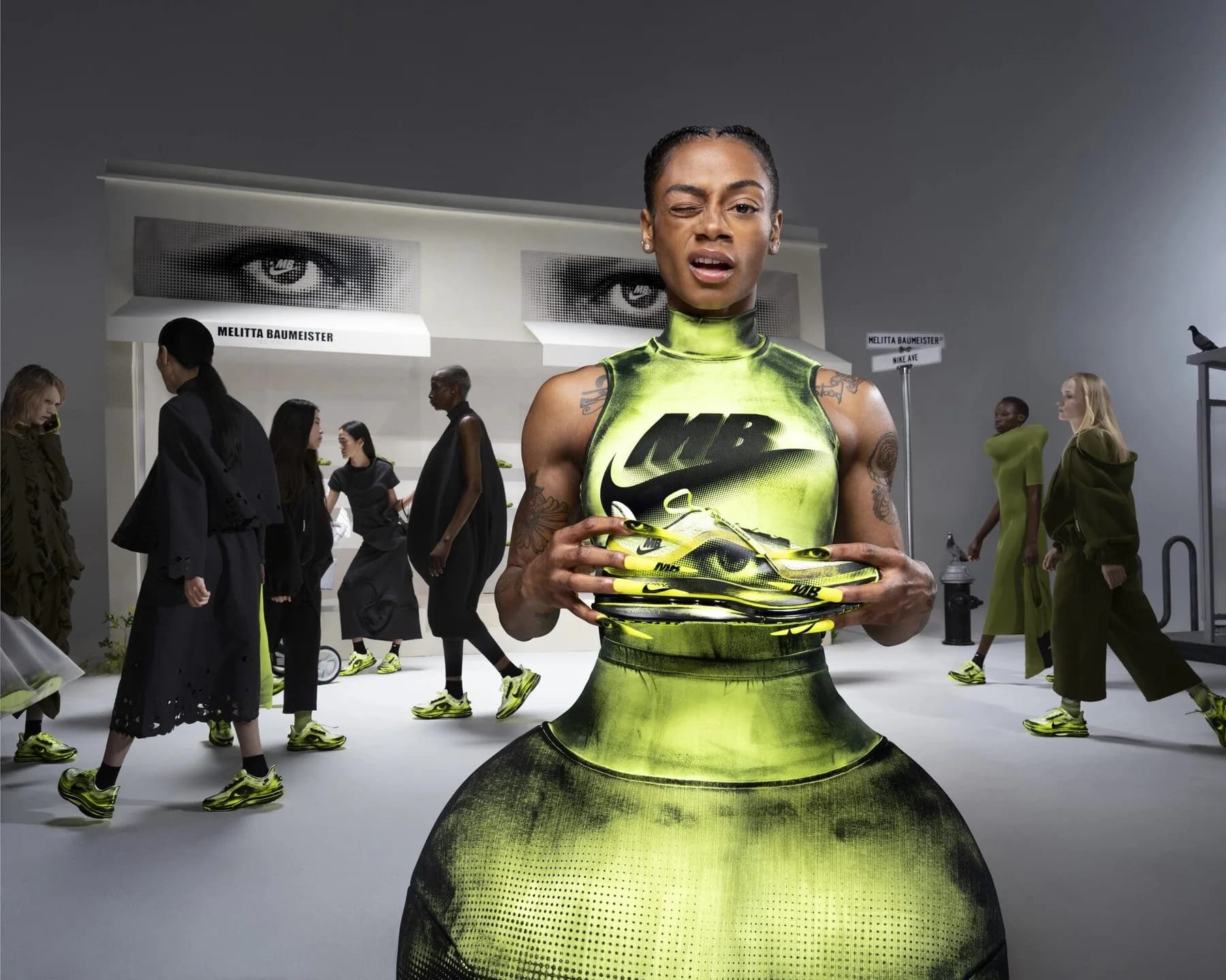
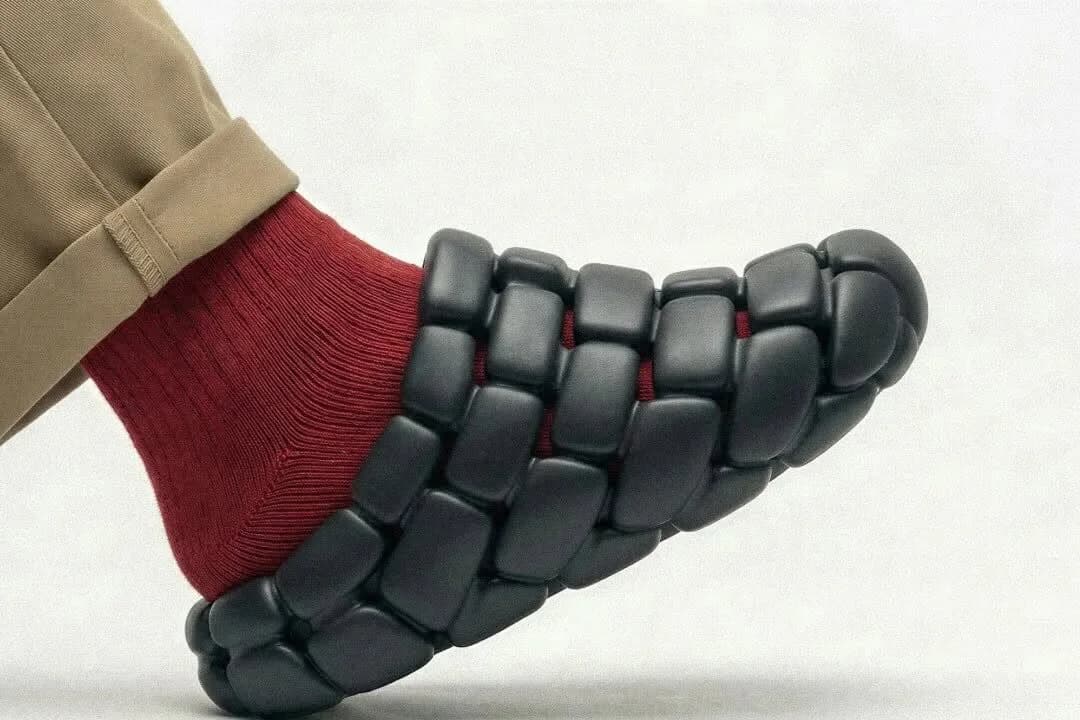
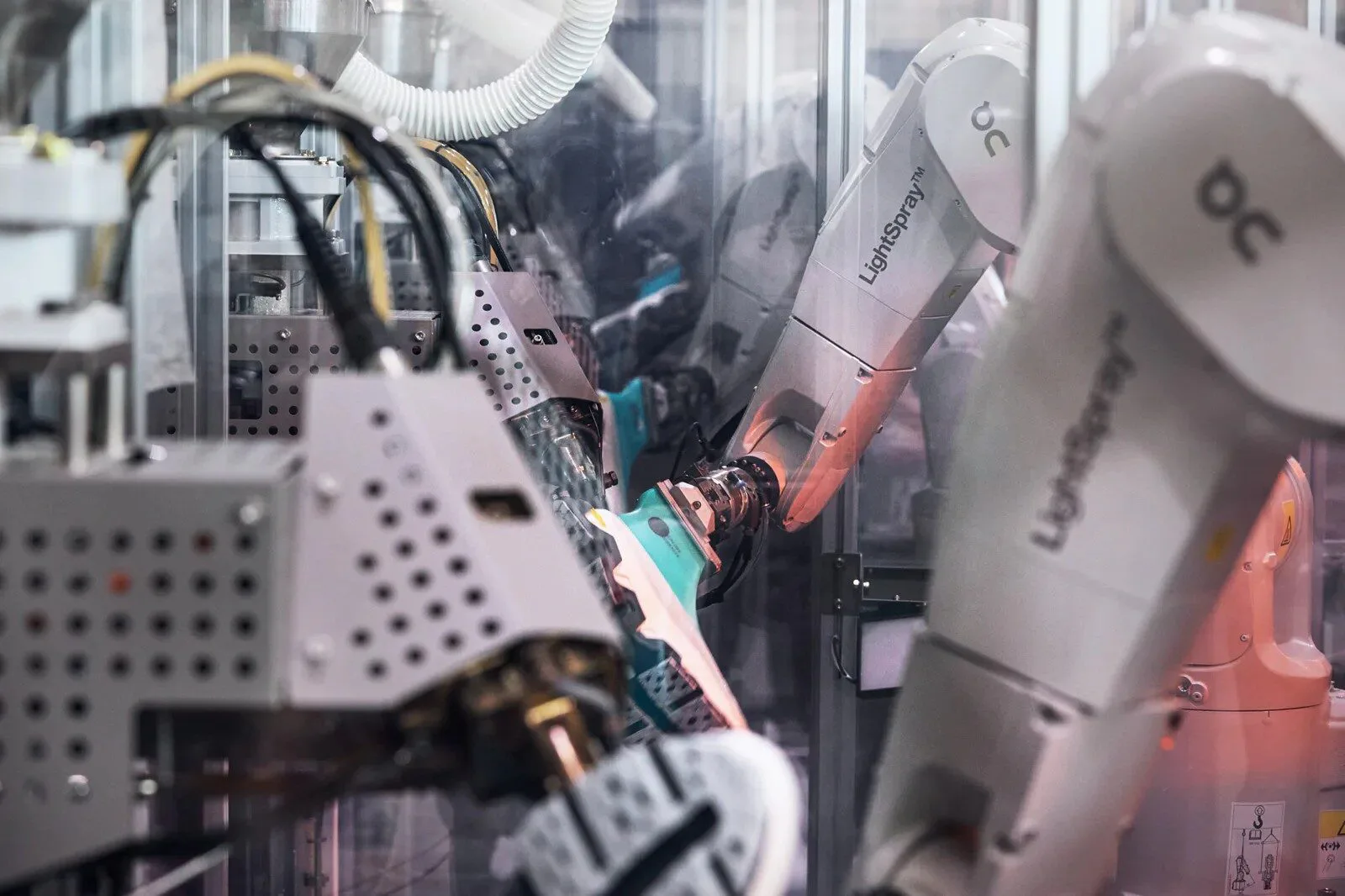
Omar Bailey does not just design shoes; he is redesigning who gets to shape the future of footwear and how fast that future arrives. In an industry long dominated by legacy brands and opaque factory systems, his journey from sketching sneakers as a kid to building FCTRY LAb in Los Angeles marks him as one of the most remarkable figures in the space today.
From “Kid who couldn’t get the shoes” To Architect of Access
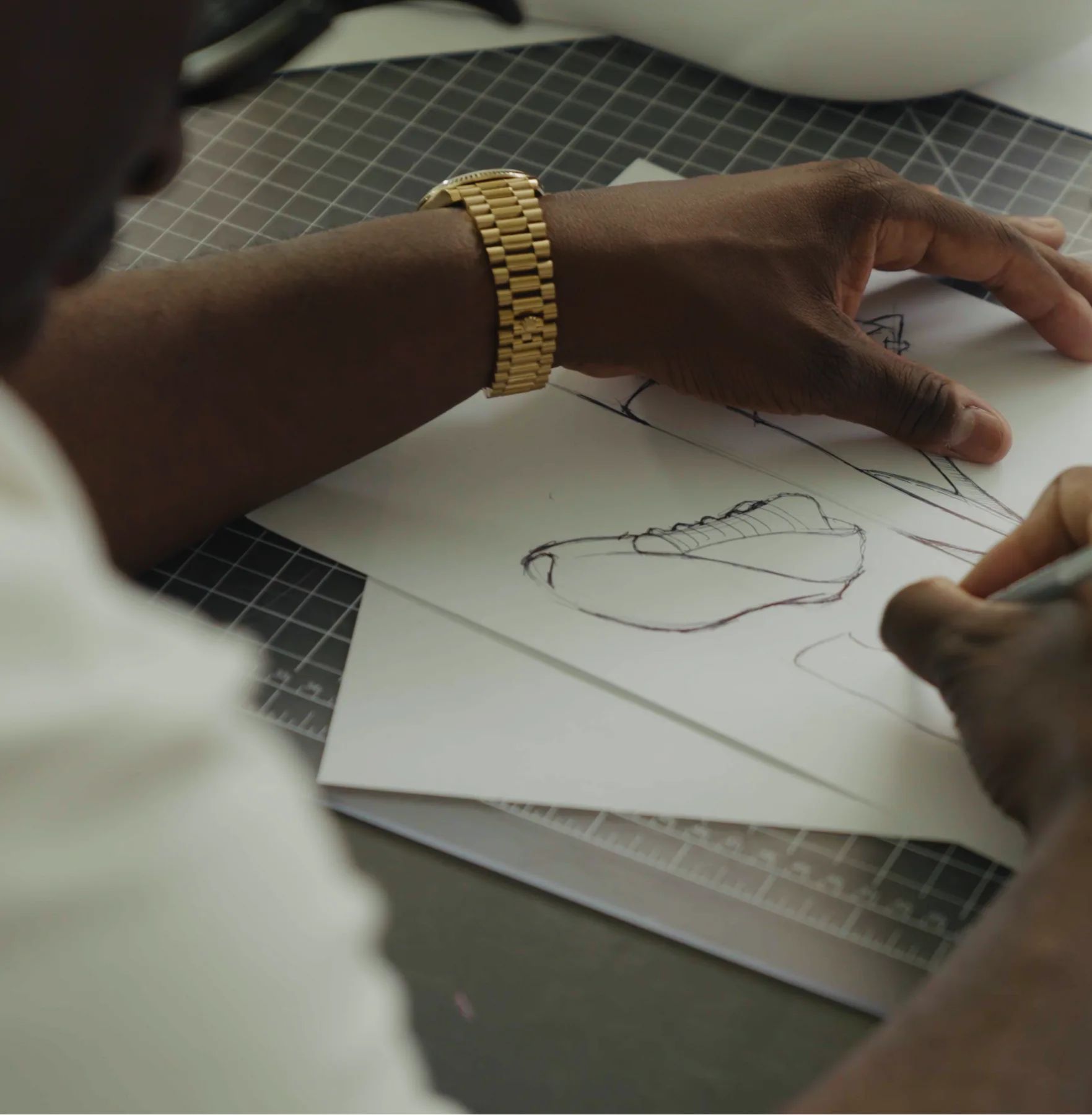
Baileys origin story is rooted in longing. He grew up wanting the hyped sneakers he saw around him but not being able to have them, partly because of cost, partly because of the very real risk of being targeted for wearing them in his neighborhood. That tension between desire and danger became his first design brief: if he couldn’t own the shoes, he would create his own on paper.
For years, he had no idea footwear design was even a career path; to his younger self, the route was “you go to Foot Locker and hope for the best.” It wasn’t until his junior year of high school that he discovered people actually get paid to imagine and build shoes, a revelation that flipped a switch. He went from an unmotivated student to someone laser focused on grades because, for the first time, he had a North Star.
Six Internships and a Refusal To Stay In One Lane
What sets Bailey apart is how deliberately he built his foundation. While many aspiring designers dream of jumping straight into their own brands, he invested early in understanding the entire ecosystem from the inside. In college he secured six internships at New Balance, K Swiss, Adidas, Hewlett Packard, Dell, and a footwear consulting firm, touching everything from shoes to other product categories.
Those experiences did two crucial things. First, they showed him what he wanted: a life beyond being just another corporate designer behind a desk. Second, they clarified what he didn’t want, pushing him toward a career that would orbit around factories, supply chains, and execution rather than only sketching. That unusual appetite for the “unsexy” side of footwear, the tooling, the factories, the trips to Brazil, Argentina, Europe, and across Asia wherever shoes are made, is part of why hes different. He didn’t just learn how to design a shoe; he learned how to get a shoe made, anywhere in the world.
The Yeezy Years: Learning To Erase The Box
Bailey’s time at Yeezy became the most radical accelerant of his creative evolution. Working in what he describes as a high output, intensely creative environment, he was pushed into corners of his brain he didn’t know existed before. The silhouettes they worked on, many that went to market, many that never did, challenged every default assumption about what a shoe is supposed to look like and how it should function.
At Yeezy, shape, form, and function were not separate categories; they were variables to be bent, stretched, and reassembled. The biggest lesson he carried out of that experience and into FCTRY LAb was simple and destabilizing: anything is possible in product creation. You do not have to accept the traditional definitions of design, construction, or even what “a shoe” means. In a category often accused of recycling the same retro silhouettes, that mindset alone is disruptive.
FCTRY LAb: Where Billion Dollar Tools Meet Overlooked Creators
FCTRY LAb, Bailey’s venture in the Calabasas area of Los Angeles, is built on a radical premise: the tools and capabilities once reserved for billion dollar brands should be available to the rest of the creative world. In practical terms, that means turning years of global factory relationships and technical knowledge into a bridge that entertainers, athletes, and independent designers can actually cross.
He spent his early consulting years hearing the same sentence on repeat: “I have this idea for a shoe, I sketched it, but I don’t know what to do next.” Big brands like Nike and Adidas have every right to be selective about who they work with, but their gatekeeping also leaves a long tail of talent without a pathway to physical product. FCTRY LAb’s mission is to serve that overlooked group, people whose names may not yet be large enough to trigger an email back from a global sportswear giant, but whose ideas deserve a shot at becoming real.
Technology As a Creative Accelerator, Not a Gimmick
Bailey is not a technologist in the abstract; he is a builder obsessed with tools that shorten the distance between idea and object. At FCTRY LAb, 3D printing sits at the core of that philosophy. It allows his team to race through creative loops, turning digital concepts into tangible prototypes quickly enough to maintain momentum. The goal is not just speed for its own sake, but faster learning: more iterations, more chances to push a design so far that it breaks, and then find something new on the other side of that failure.
He’s especially interested in the evolution of printable materials: softer TPUs and other compounds that make prototypes actually wearable, so performance and comfort can be tested early instead of treated as an afterthought. Alongside 3D printing, the lab relies on advanced 2D and 3D software and in house 3D scanning, particularly for pro athletes, to create bespoke performance footwear tuned to real feet rather than theoretical last shapes. The throughline is clear: technology is not a headline for press releases; it is an infrastructure for better, faster, more human centric shoes.
Rethinking Cleats and the Cost of Ignoring The Foot
One of the most revealing threads in Bailey’s recent work is his focus on football cleats. In an ongoing collaboration with the NFL and commissioner Roger Goodell, FCTRY LAb is developing position specific cleats that respond to the actual biomechanics and pain points of players on the field. That alone makes him stand out in a space where, for decades, athletes have simply adapted their bodies to the shoe rather than the other way around.
Years of narrow, rigid cleats have visibly reshaped players’ feet, cramped toes, distorted forefeet, chronic discomfort baked into the culture as if it were inevitable. Bailey sees opportunity where others saw tradition. Instead of one size fits all “football” models, he’s pushing for designs that differ between positions (a lineman’s needs vs a receivers vs a kickers), and that respect the natural spread and function of the foot. His plan to commercialize those innovations by making accessible versions for kids, anchored by NFL athletes credibility, shows the same democratizing instinct: the best performance thinking shouldn’t stop at the pro level.
A Designer Who Thinks Like a Founder
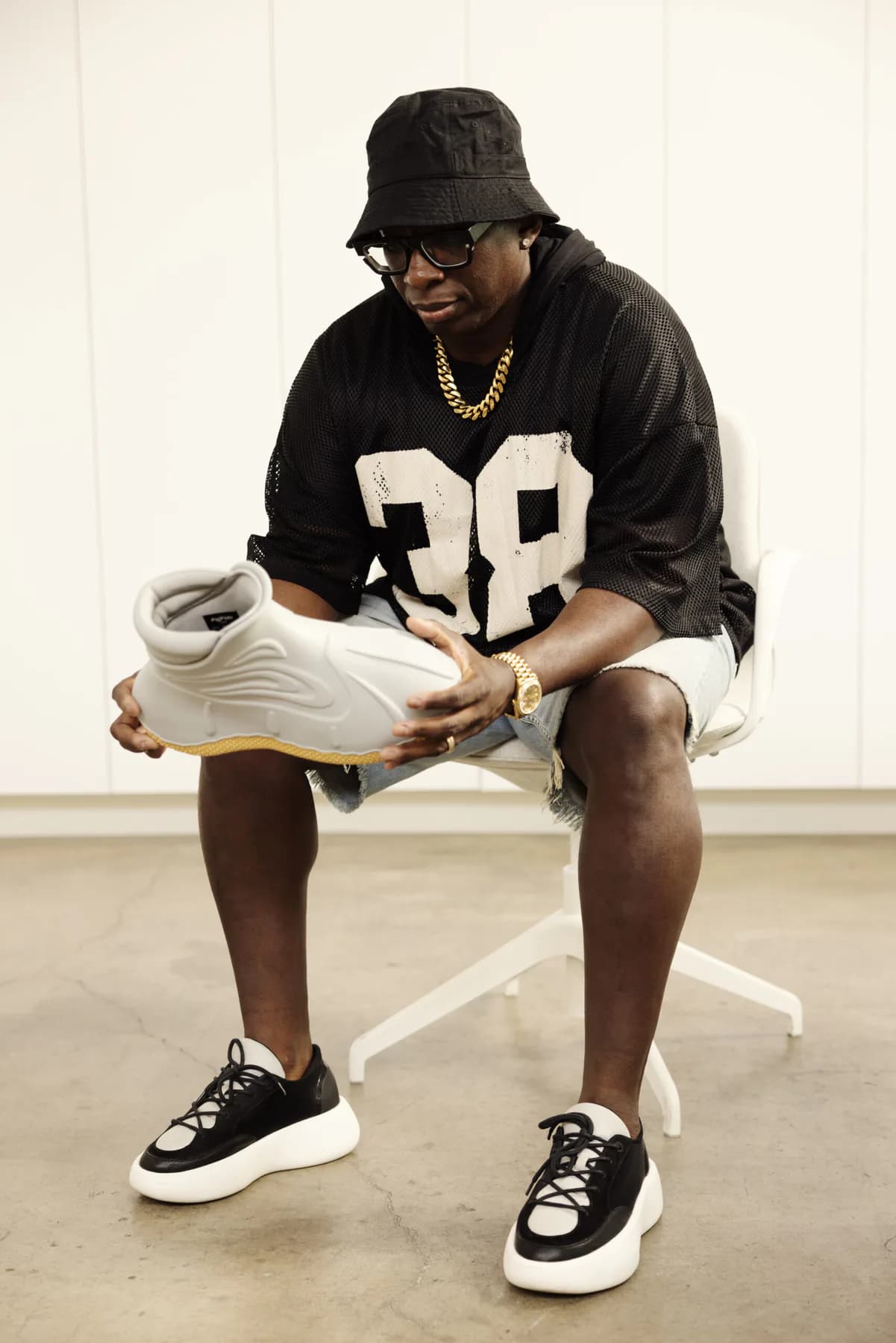
What distinguishes Bailey in the footwear landscape is that he speaks fluently in both design language and business reality. He is candid about a tension he sees in younger creatives: a romantic fixation on launching their own brands without first understanding that business success is measured in sales, not just aesthetics. For him, design excellence is foundational, but it is incomplete without distribution, manufacturing strategy, and the ability to navigate investors’ calls in the middle of a chaotic day.
He credits networking and relationships as the quiet engine behind his trajectory. FCTRY LAb, he emphasizes, is a company built on relationships: with athletes, entertainers, investors, suppliers, and the young designers who walk into his orbit. That relational focus also shapes his collaborations; high profile clients often hand him a wide berth creatively, trusting his taste and technical judgment, yet he insists on their point of view to keep the work truly collaborative. It is a rare balance: the humility to listen, paired with the confidence to lead.
Advice Rooted In Experience, not Hype
When asked what he would tell his younger self, or someone who wants to follow in his footsteps, Bailey offers advice that cuts against the instant gratification culture of entrepreneurship. He points back to internships, to time spent inside big organizations learning processes and politics, as one of the most valuable investments a young creative person can make. Those experiences, he says, helped him discover not only his passion but his preferred role in the system: not just designing, but connecting ideas to factories, factories to markets, and markets to the next wave of talent.
He is also realistic enough to acknowledge that sometimes the “best advice is no advice at all,” that everyone’s path is different. Yet his own path sends a clear message: greatness in footwear today is less about being the loudest or most flamboyant designer, and more about being the person who can turn an idea, anywhere in the world, into a shoe that someone can actually wear.
Why Omar Bailey Matters Now
In an era when sneaker culture is global and expectations for comfort, performance, and originality have never been higher, Omar Bailey sits at a rare intersection. He has lived inside the most hyped creative machine in modern footwear, Yeezy, and walked the factory floors across continents that most consumers will never see. He understands how a shoe feels on a kid afraid to be jumped for wearing it, and how a cleat feels on an NFL player whose toes have been squeezed into the wrong shape for too long.
Most of all, he is betting his career on a simple, subversive belief. That the next generation of footwear icons will not come only from boardrooms and billion dollar design studios, but from anyone with a sketch, a story, and the right partner to bring it to life. Right now, that partner is FCTRY LAb, and the person quietly rewiring the system behind it is Omar Bailey.