It's not shoe shopping, and it's not the same as grabbing a gel insole off a shelf.
A lot of people have heard the phrase "arch support fitting" without any real sense of what happens once they walk in the door. Is it a quick measurement? A sales pitch? A medical exam? With more people dealing with foot pain from long shifts, high mileage, or just years of unsupportive footwear, fittings have become a lot more common, showing up at running stores, specialty retailers, and dedicated arch support shops alike, and a lot more misunderstood in the process. Here's an actual breakdown of what the process typically looks like, step by step.
1. It Usually Starts With Why You're There in the First Place
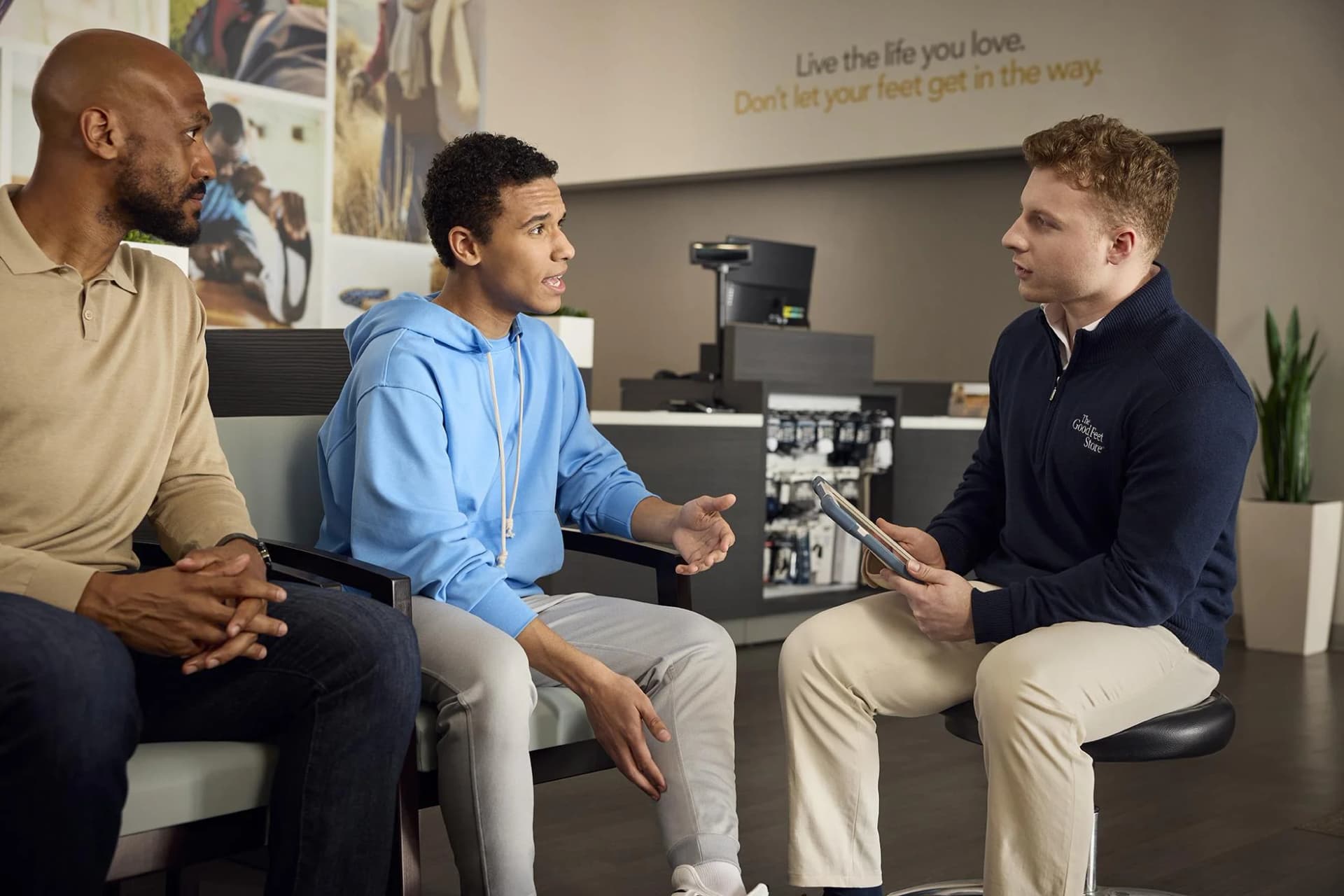
Before any scanning or measuring happens, most fittings start with a simple conversation about why you showed up. That could be plantar fasciitis that flares up by mid-morning, flat feet you've had your whole life, or pain that seems to move around, showing up in your knees or lower back instead of your feet. That starting point shapes the rest of the visit.

2. It Continues With a Conversation, Not a Sales Pitch
From there, most people expect to be handed a product right away. Instead, a real fitting keeps asking questions: how long the pain has been going on, what a typical day looks like, and what you're hoping to get out of it, before anyone talks about specific support options. That context shapes everything that comes after it.
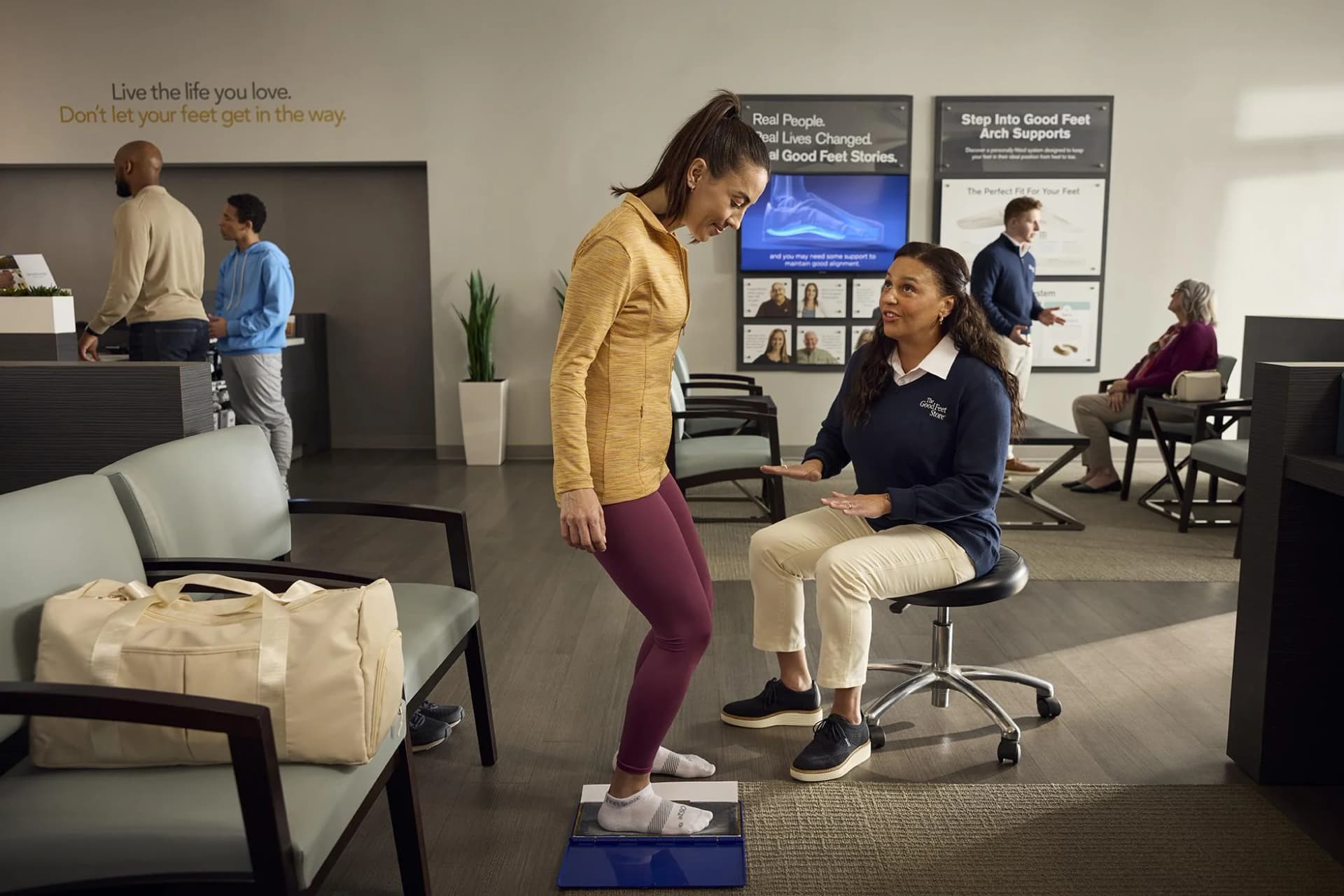
Shoe size tells you almost nothing about arch structure. A digital foot scan captures arch height, heel width, and how weight shifts across the foot with each step, the kind of detail two people with the exact same shoe size can differ on significantly. It's a more precise starting point than eyeballing a foot or measuring length alone.
4. The Specialist Factors In What You Actually Do All Day
This is where it gets personal. Someone standing on a hospital floor for twelve hours has different needs than someone commuting and sitting at a desk most of the day, and both look different from someone training for a race on weekends. A good fitting takes your actual routine, your job, your activity level, your usual footwear, into account before recommending anything, rather than treating every foot the same way.
5. You're Matched to Arch Supports Built Around Your Results
At The Good Feet Store, this is where the scan and the conversation come together. A specialist reviews your specific measurements alongside what you shared about your day and matches you to structured arch supports designed to guide your foot toward better alignment, rather than just cushioning around the problem. For some people, that added structure may help ease discomfort that's built up over months or years of unsupported wear. It's a personalized recommendation, not a generic size chart.

6. You Get to Test Walk Before You Commit
Instead of leaving with a box and hoping for the best, most fittings include a test walk. You put the arch supports on with your own shoes and walk around before deciding on anything, so you know how they feel in real time rather than finding out later at home.
7. It's Backed by an Actual Guarantee
The Good Feet Store backs its Arch Supports with a 90-Day Customer Satisfaction Guarantee, plus complimentary refittings if your needs change. That matters, because feet, activity levels, and jobs all shift over time, and a fitting that made sense a year ago might not be the right fit today. If your training ramps up, your job changes, or your feet simply need something different, that adjustment is part of the process rather than a separate purchase.
8. It's Not Just for Athletes
It's easy to picture arch support fittings as something for runners or people recovering from an injury. In reality, nurses, teachers, retail workers, and anyone logging long hours on their feet put comparable repetitive stress on their arches, no training log required. A double shift on concrete floors adds up just as much as a long training run does.

9. The Whole Process Usually Takes Under an Hour
Unlike a podiatrist-prescribed custom orthotic, which can take weeks to arrive after a mold or scan gets sent to a lab, a store fitting is typically done in a single visit, scan, consultation, and test walk included. There's no waiting period between deciding to try it and actually walking out with something.
10. Pricing Reflects What You Need, Not a Flat Rate
Supports run $399 to $599 per pair, depending on the location and what your feet need. Someone with early plantar fasciitis and someone with years of arch collapse aren't getting the same solution, so they aren't quoted the same price. The pricing structure differs from a fixed-price pair of insoles online, or a prescription orthotic where your bill hinges on your insurance. Your specialist walks you through the fitting first and covers pricing after, once you know what your feet need.
The Bottom Line
An arch support fitting isn't a mysterious medical procedure or a five-minute shoe-store transaction, it's somewhere in between: a short, specific process built around how your feet actually work and what you actually do with them. Knowing what to expect ahead of time, from the first question to the final test walk, makes it a lot easier to decide if it's worth trying, whether you've been dealing with foot pain for years or you're just curious what all the fuss is about.