10 Footwear Myths Still Shaping the Industry
Footwear remains one of the least transparent categories in fashion and athletic apparel. Its core drivers such as…
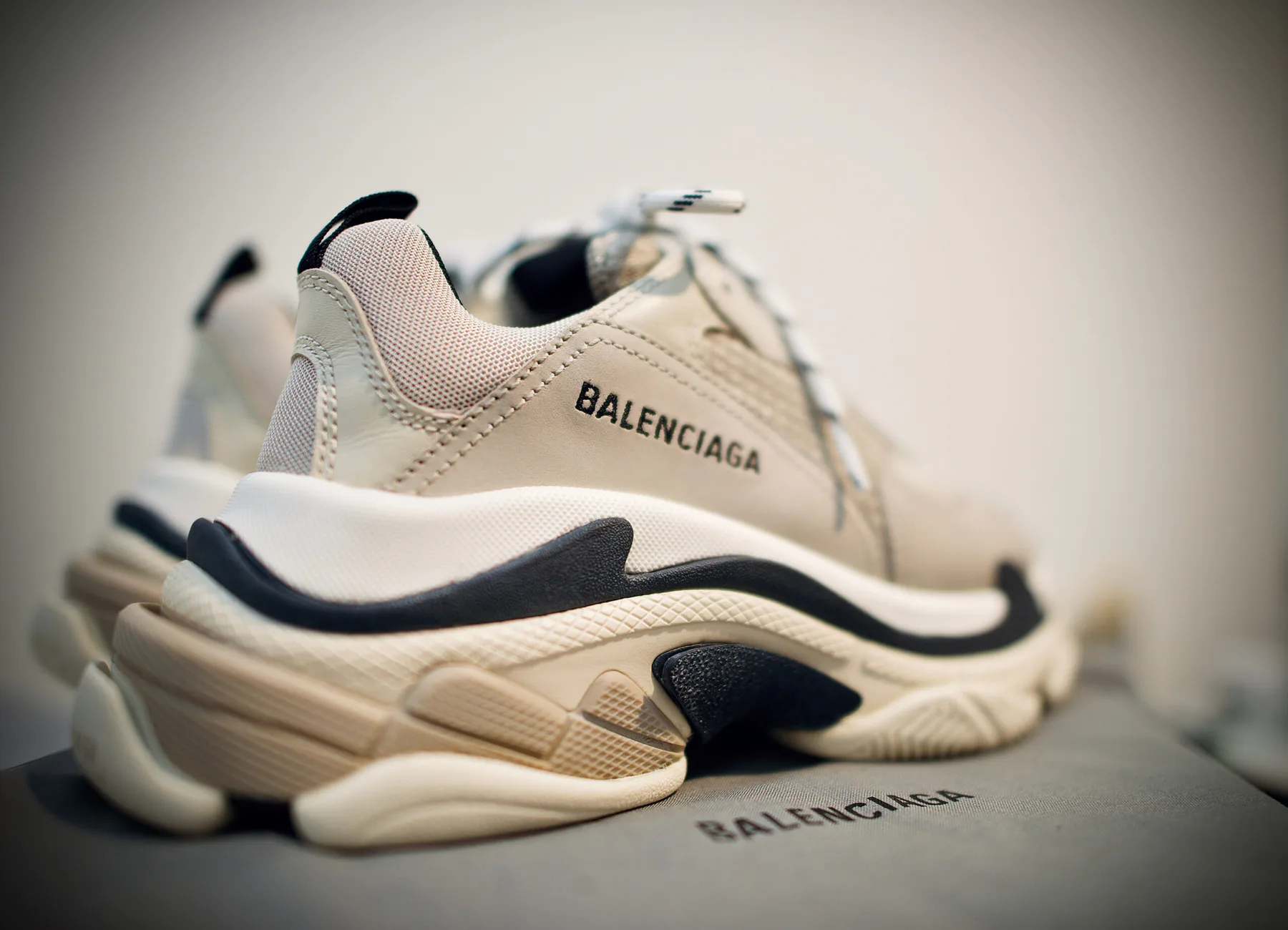
Footwear remains one of the least transparent categories in fashion and athletic apparel. Its core drivers such as fit, comfort, durability, and quality, are personal, and context dependent, making them difficult to standardize or market honestly at scale.
The industry has since filled that gap with shortcuts. Price is traditionally treated as a proxy for craftsmanship. Cushioning is often sold as comfort and a single hero silhouette is positioned as universally fit for purpose. These narratives continue to drive the industry because they simplify purchase decisions for the consumer, not necessarily because they deliver consistent outcomes.
This report deconstructs the most pervasive myths shaping the footwear market today, offering a clear eyed view of the brands that perpetuate these fictions and the innovators that are actively dismantling them.
| Myth | Reality | Brands That Reinforce the Myth | Brands That Break the Myth |
|---|---|---|---|
| Expensive shoes are better made | Price often reflects branding, marketing, and margin more than materials or construction quality | Balenciaga | Alden |
| More cushioning means more comfort | Excess foam can reduce stability, proprioception, and long-term comfort | HOKA | ASICS |
| Shoes just need to be broken in | Poor fit rarely improves with wear and often leads to long term discomfort | Traditional luxury loafers | Rothy’s |
| Sneakers are healthier than dress shoes | Structure, support, and last design matter more than category | Chunky fashion sneakers | Church’s |
| Flat shoes are better for your feet | Zero drop and minimal designs are not universally beneficial | Vivobarefoot | Birkenstock |
| Heavier shoes signal higher quality | Weight does not equal durability or craftsmanship | Oversoled fashion boots | Salomon |
| High resale value means high quality | Hype and scarcity drive resale more than wearability or longevity | Travis Scott × Nike | Red Wing |
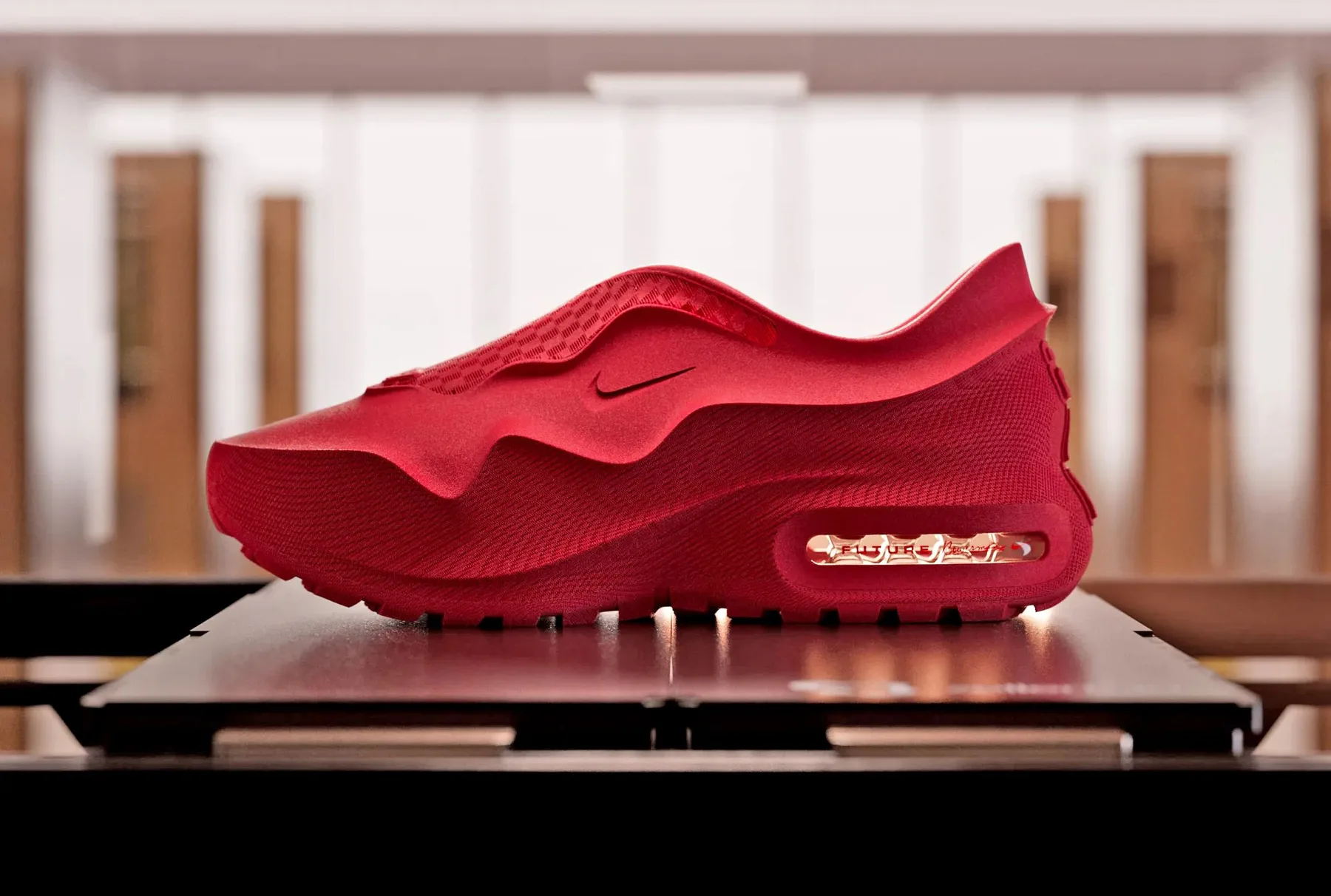
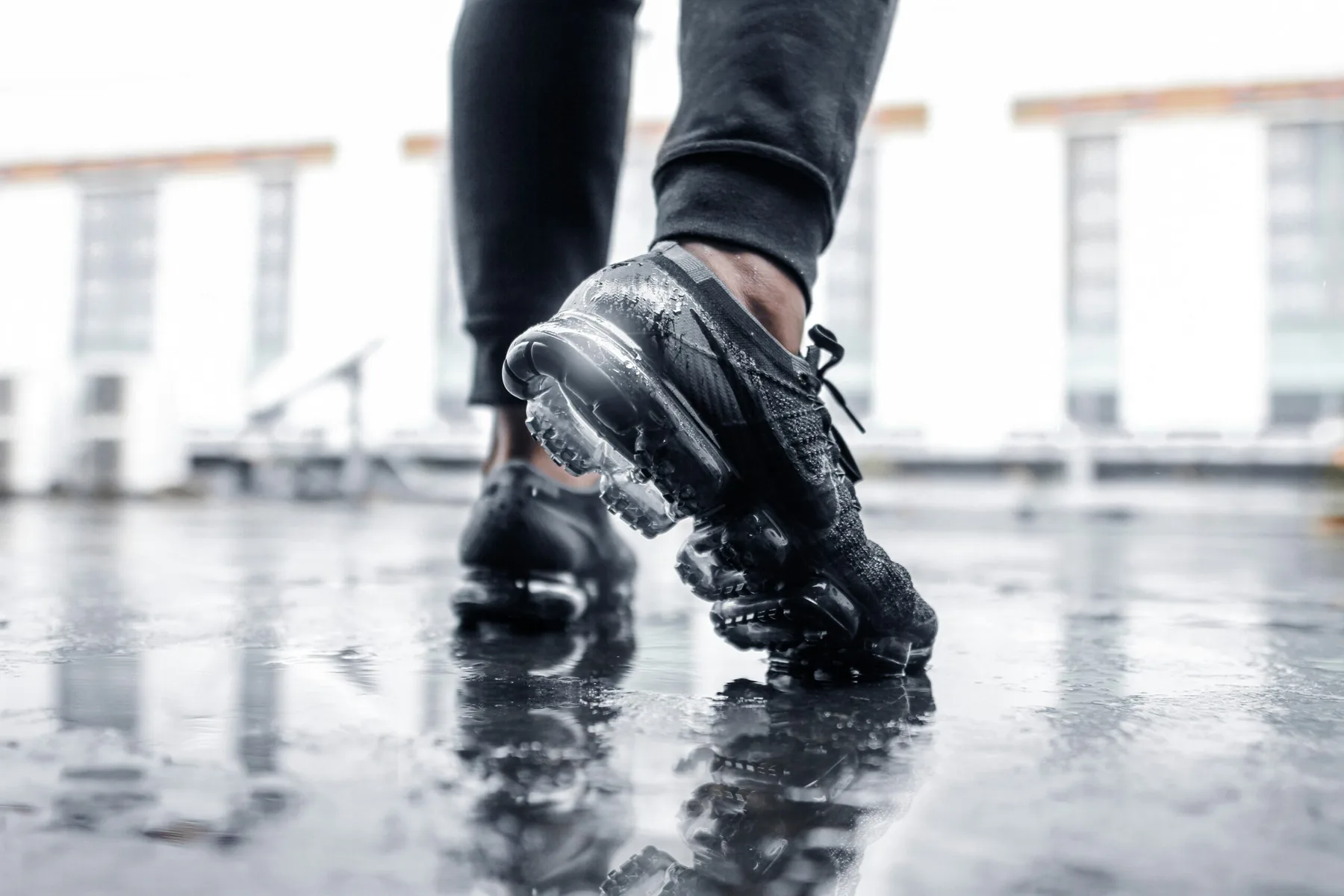
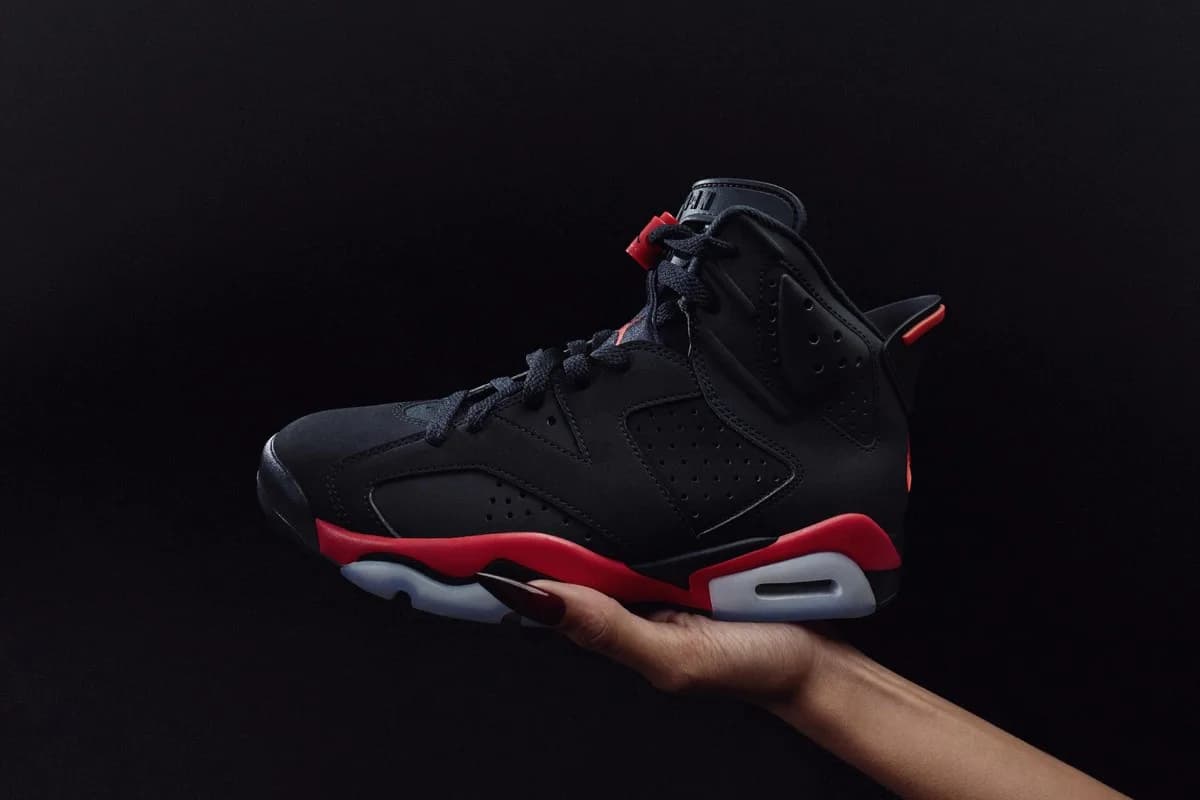
| One great shoe works for everything | Performance and comfort are highly use specific | ‘ All day, everywhere’ sneakers | Nike |
| Luxury brands make their own shoes | Production is frequently outsourced despite heritage storytelling | Louis Vuitton | Santoni |
| There’s one correct way a shoe should fit | Fit varies by foot shape, use case, and personal tolerance | Saint Laurent | New Balance |
1. Alden
[
View this post on Instagram
](https://www.instagram.com/p/DMyQUjMuBEj/?utm_source=ig_embed&utm_campaign=loading)
Alden operates outside the modern luxury playbook. There is no seasonal reinvention or brand theatrics, only consistency, materials discipline, and conservative design rooted in longevity. Its value is revealed over years, not moments, making it a quiet benchmark for what real quality looks like when marketing is stripped away.
2. ASICS
[
View this post on Instagram
](https://www.instagram.com/p/DQ9q2dLFI-k/?utm_source=ig_embed&utm_campaign=loading)
ASICS remains one of the few performance brands still anchored in biomechanics rather than spectacle. Cushioning is controlled, stability is intentional, and comfort is designed for sustained use rather than first-wear appeal. The brand’s credibility comes from repeat runners, not trend cycles.
3. Rothy’s
[
View this post on Instagram
](https://www.instagram.com/p/DUBZHmlDNA0/?utm_source=ig_embed&utm_campaign=loading)
Rothy’s built its business on immediacy and ease. Knit construction, flexible structure, and wearable from day one comfort challenge the idea that shoes need time to become tolerable. The brand succeeds by aligning convenience with consistency rather than tradition.
4. Church’s
[
View this post on Instagram
](https://www.instagram.com/p/DTnv_GuiA_e/?utm_source=ig_embed&utm_campaign=loading)
Church’s demonstrates that formality and function are not mutually exclusive. Its shoes rely on time tested lasts, supportive structure, and durable leather construction, often outperforming trend driven casual footwear in stability and longevity. It’s an argument for substance over category.
5. Birkenstock
[
View this post on Instagram
](https://www.instagram.com/p/DGfk3bAT-eS/?utm_source=ig_embed&utm_campaign=loading)
Birkenstock’s global success stems from its refusal to chase visual minimalism. The brand centers the foot as a biomechanical system, using contoured footbeds and supportive architecture to drive comfort. Its appeal lies in how the shoe works, not how flat it appears.
6. Salomon
[
View this post on Instagram
](https://www.instagram.com/p/DNV2awyIb9e/?utm_source=ig_embed&utm_campaign=loading)
Salomon approaches footwear as equipment, not fashion. Weight is reduced through engineering, not compromise, and durability is achieved through material science and precision. The result is performance footwear that earns trust through function, not heft.
7. Red Wing
[
View this post on Instagram
](https://www.instagram.com/p/DPUCRY3jKbI/?utm_source=ig_embed&utm_campaign=loading)
Red Wing exists almost entirely outside hype economics. Its boots are designed to be worn hard, repaired, and aged, often improving with time. The brand’s relevance comes from reliability and longevity, not resale charts or scarcity cycles.
8. Nike
Nike’s scale allows it to treat footwear as a system of use cases rather than a one size solution. Running, training, basketball, and lifestyle products are built with distinct tooling and intent. Its strength lies in specialization, not universality.
9. Santoni
[
View this post on Instagram
](https://www.instagram.com/p/DTVneoajB04/?utm_source=ig_embed&utm_campaign=loading)
Santoni occupies a rare position as both luxury brand and manufacturing authority. Its work exposes the difference between heritage storytelling and actual shoemaking expertise. In an industry shaped by outsourcing, Santoni’s credibility is rooted in control and craftsmanship.
10. New Balance
[
View this post on Instagram
](https://www.instagram.com/p/DKN-Lj0xlw8/?utm_source=ig_embed&utm_campaign=loading)
New Balance treats fit as variable rather than fixed. Multiple widths, varied lasts, and performance driven design reflect the reality of diverse foot shapes and use cases. The brand’s strength comes from adaptability, not prescription.