The 10 Footwear Brands Setting the Industry Standard For Sustainability
In 2026, “sustainability strategy” is no longer a brand story. It is a measurable operating system: materials that…
In 2026, “sustainability strategy” is no longer a brand story. It is a measurable operating system: materials that reduce fossil inputs at scale, and carbon programs that move beyond pledges into verified targets, product level accounting, and supply chain execution.
To rank the strongest footwear strategies, we weighted two signals that matter commercially and scientifically:
- Material innovation: credible shifts into lower impact inputs (bio based polymers, recycled and regenerative materials, next gen alternatives) and design choices that enable circularity.
- Carbon footprint performance: transparency plus action, including product level measurement, science based targets, renewable energy progress, and supply chain engagement.
This is an editorial index based on publicly disclosed reporting and programs.
| Rank | Brand | Material innovation | Carbon footprint | Why it ranks |
|---|---|---|---|---|
| 1 | Allbirds | 4.5/5 | 5/5 | Product level carbon methodology and labeling culture, plus renewable and regenerative material focus |
| 2 | adidas | 4.5/5 | 4.5/5 | Industrial scale materials innovation plus SBTi validated climate targets |
| 3 | On | 4.5/5 | 4/5 | New manufacturing methods and product level carbon reduction targets starting 2025 |
| 4 | Nike | 4/5 | 4/5 | Scale execution: supply chain carbon targets plus materials impact measurement infrastructure |
| 5 | Vivobarefoot | 4.5/5 | 3.5/5 | Aggressive biomaterials experimentation paired with take back and internal material scoring |
| 6 | Puma | 4/5 | 3.5/5 | Biodegradable product pilots paired with supplier level environmental KPI discipline |
| 7 | New Balance | 3.5/5 | 4/5 | SBTi approved targets and factory waste goals, tightening materials governance through LCA work |
| 8 | ASICS | 3.5/5 | 3.5/5 | Clear circularity framework and formal sustainability reporting cadence |
| 9 | VEJA | 4/5 | 3/5 | Deep supply chain transparency and raw material accountability, especially around rubber and leather impact hotspots |
| 10 | HOKA | 3/5 | 3.5/5 | Decarbonization governed at parent level with science based targets, building the structure for faster brand level execution |
The Top 10 Brands Explained
1. Allbirds
[
View this post on Instagram
](https://www.instagram.com/reel/DUjMK08CslV/?utm_source=ig_embed&utm_campaign=loading)
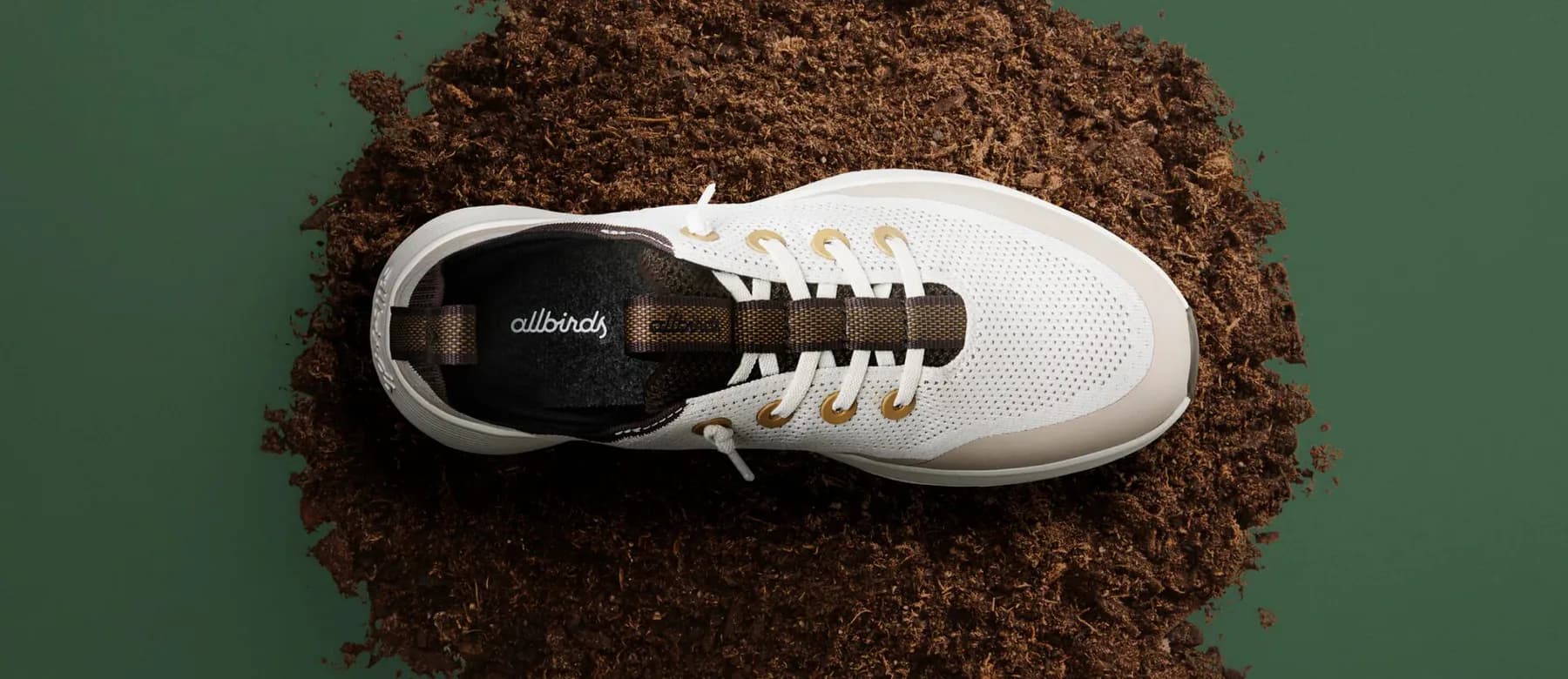
Allbirds built one of the most rigorous carbon cultures in footwear by treating product level footprinting as a core product tool, supported by a published methodology and ongoing reductions in average product footprint.
2. adidas
[
View this post on Instagram
](https://www.instagram.com/reel/C6dc4SEge-P/?utm_source=ig_embed&utm_campaign=loading)
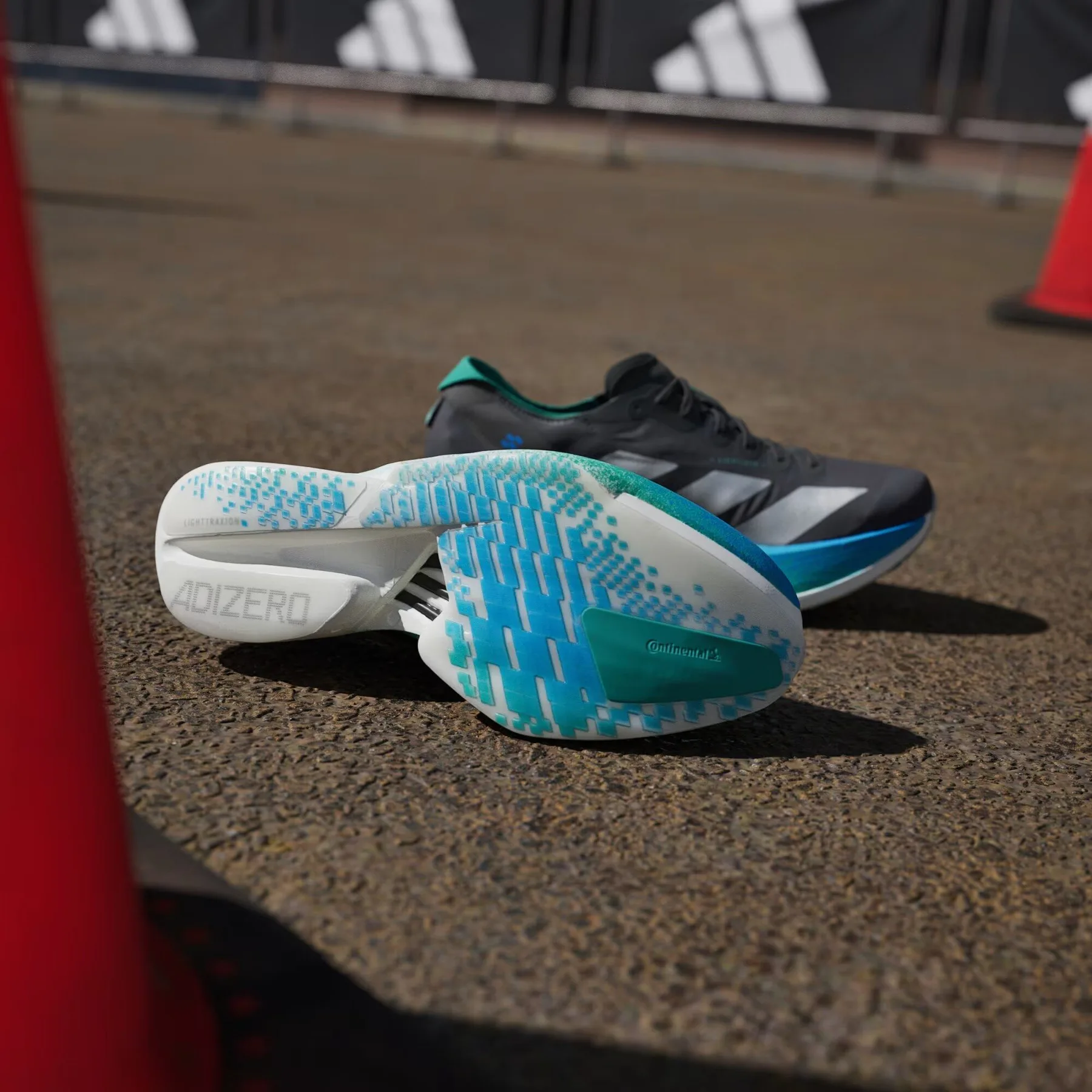
adidas wins on industrial scale innovation plus formalized climate accountability, including materials that substitute fossil feedstocks (example: emissions to feedstock polyester pathways) and SBTi validated targets that bring credibility to decarbonization claims.
3. On
[
View this post on Instagram
](https://www.instagram.com/reel/Cih38M8js9C/?utm_source=ig_embed&utm_campaign=loading)
On’s strategy is moving from initiatives to system change: its reporting explicitly calls out product level carbon reduction targets beginning in 2025 alongside innovation in how the product is made, positioning sustainability as a design constraint rather than a marketing layer.
4. Nike
[
View this post on Instagram
](https://www.instagram.com/p/Chu0-PcppXX/?utm_source=ig_embed&utm_campaign=loading)
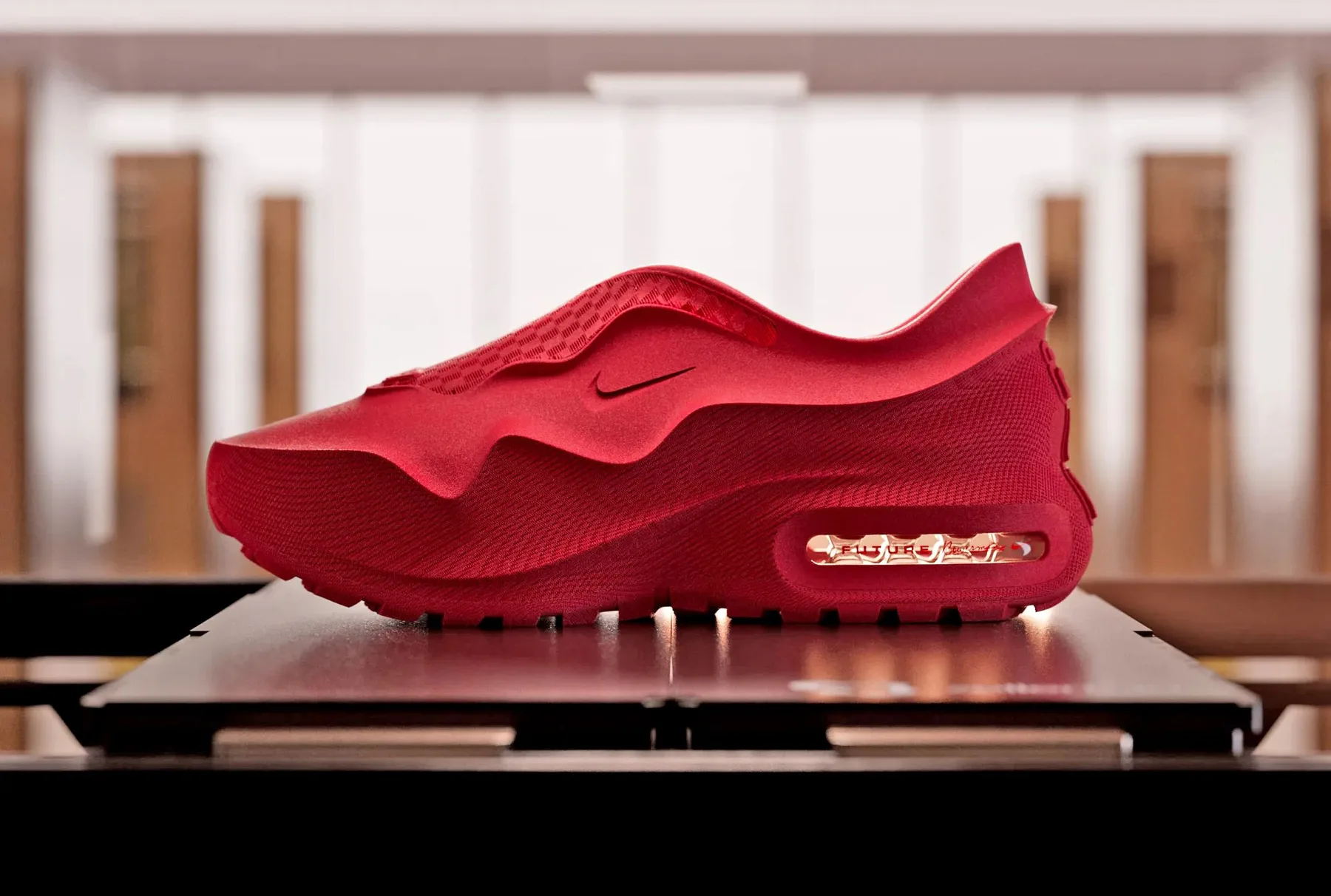
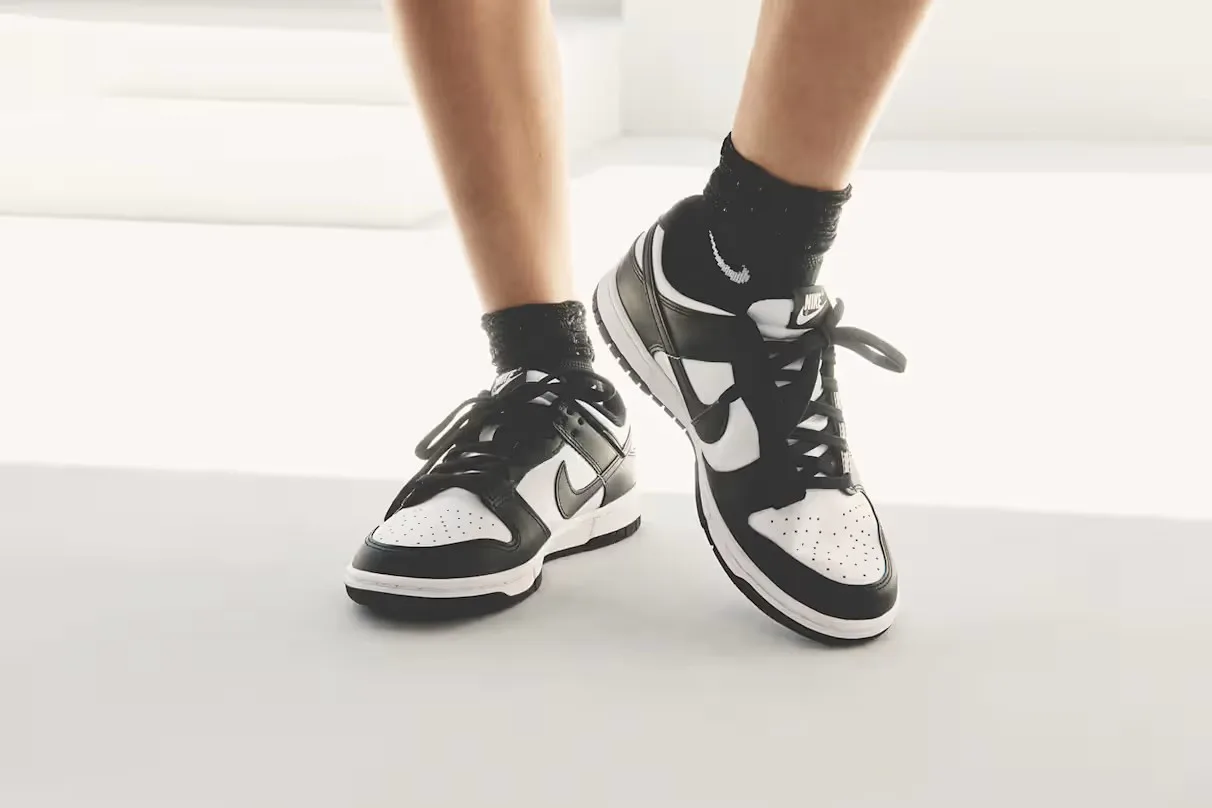
Nike’s advantage is execution at scale: it pairs science based carbon reduction targets across operations and supply chain with internal materials and footprinting tools that operationalize lower impact design choices across a huge SKU universe.
5. Vivobarefoot
[
View this post on Instagram
](https://www.instagram.com/p/DDdYcPcgnl0/?utm_source=ig_embed&utm_campaign=loading)
Vivobarefoot is one of the most experimental brands on materials, backing it with an internal scoring system and active work on bio based, industrially compostable material pathways, plus take back programs aimed at keeping products out of landfills.
6. Puma
[
View this post on Instagram
](https://www.instagram.com/p/C6G_S8bRQ4e/?utm_source=ig_embed&utm_campaign=loading)
Puma balances pragmatic supplier management with innovation pilots, including work on biodegradable sneaker concepts while tracking supplier environmental KPIs tied to energy, emissions, and compliance frameworks.
7. New Balance
[
View this post on Instagram
](https://www.instagram.com/p/CN2gBKzFYIr/?utm_source=ig_embed&utm_campaign=loading)
New Balance’s sustainability strategy reads like an operating plan: SBTi approved near term targets, factory waste goals, and a climate approach anchored in materials, longevity, and renewable energy, supported by formal annual reporting.
8. ASICS
[
View this post on Instagram
](https://www.instagram.com/p/CxtAMCluMEi/?utm_source=ig_embed&utm_campaign=loading)
ASICS has sharpened its sustainability narrative into a circular framework (design, materials, production, use, new life) and supports it with a dedicated sustainability report that tracks progress against targets and programs.
9. VEJA
[
View this post on Instagram
](https://www.instagram.com/p/DUgnLPjlYt4/?utm_source=ig_embed&utm_campaign=loading)
VEJA is unusually direct about where impact lives: it publishes raw material emissions reality (including the disproportionate role of leather) and pairs that transparency with long running responsible sourcing systems, such as Amazonian rubber supply chain development.
10. HOKA
Image: The 10 Footwear Brands Setting the Industry Standard For Sustainability
Credit: HOKA
HOKA’s sustainability performance is best understood through Deckers’ climate governance: a formal climate transition plan and annual reporting that references science based targets, building the structure for deeper brand level material and carbon execution.