In performance footwear, ‘innovation’ is no longer just foam chemistry or carbon plates. The real competitive edge is increasingly built in the upper: engineered knits, data mapped thread placement, abrasion proof woven textiles, and new material systems designed to reduce waste while improving fit, durability, and breathability. The brands winning this race are the ones treating textiles like a research category with dedicated labs, proprietary platforms, and repeatable manufacturing processes not just seasonal design.
Below is a Research + Innovation ranking focused specifically on textile and upper construction leadership: proprietary material platforms, evidence of data driven textile engineering, and demonstrated investment in R&D infrastructure.
Top 10 Footwear Brands for Textile Innovation
| Rank | Brand | Signature textile platform (proof points) | R&I signal |
|---|
| 1 | Nike | Flyknit plus deep research lab infrastructure | Sport research labs and ongoing innovation engine. |
| 2 | adidas | STRUNG, Primeknit, Futurecraft programs | Data driven thread placement and advanced manufacturing. |
| 3 | Salomon | Matryx uppers in trail performance | High durability textile engineering for abrasion resistance. |
| 4 | Under Armour | IntelliKnit upper systems | Zonal stretch and containment built into knit structures. |
| 5 | ASICS | Engineered knit and Motion Wrap uppers | Technical upper platforms built for race level lockdown. |
| 6 | New Balance | Engineered knit, digital knit customization | Software driven zoned knit design and customization pilots. |
| 7 | PUMA | evoKNIT and performance upper tech stack | Knit based fit systems paired with elite performance lines. |
| 8 | HOKA | Engineered jacquard and Matryx trail uppers | Upper refinement tied to performance racing and trail. |
| 9 | On | Engineered mesh plus proprietary cushioning ecosystem | Upper work integrated with brand run tech platform. |
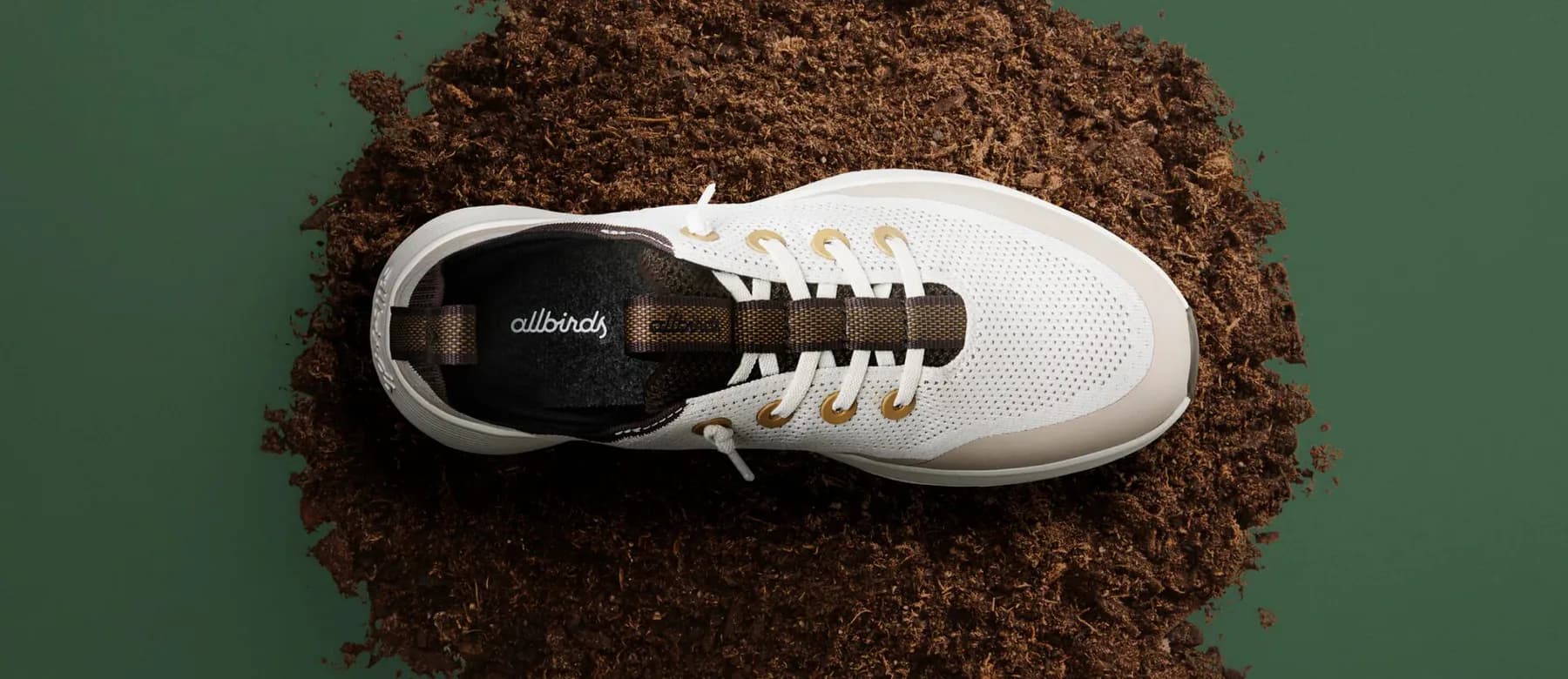
| 10 | Allbirds | Tree fiber textiles and Trino yarn system | Material science story built on natural fiber substitution. |
1. Nike — Textile innovation as an industrial system
[
View this post on Instagram
](https://www.instagram.com/reel/DQJxDm9joWp/?utm_source=ig_embed&utm_campaign=loading)
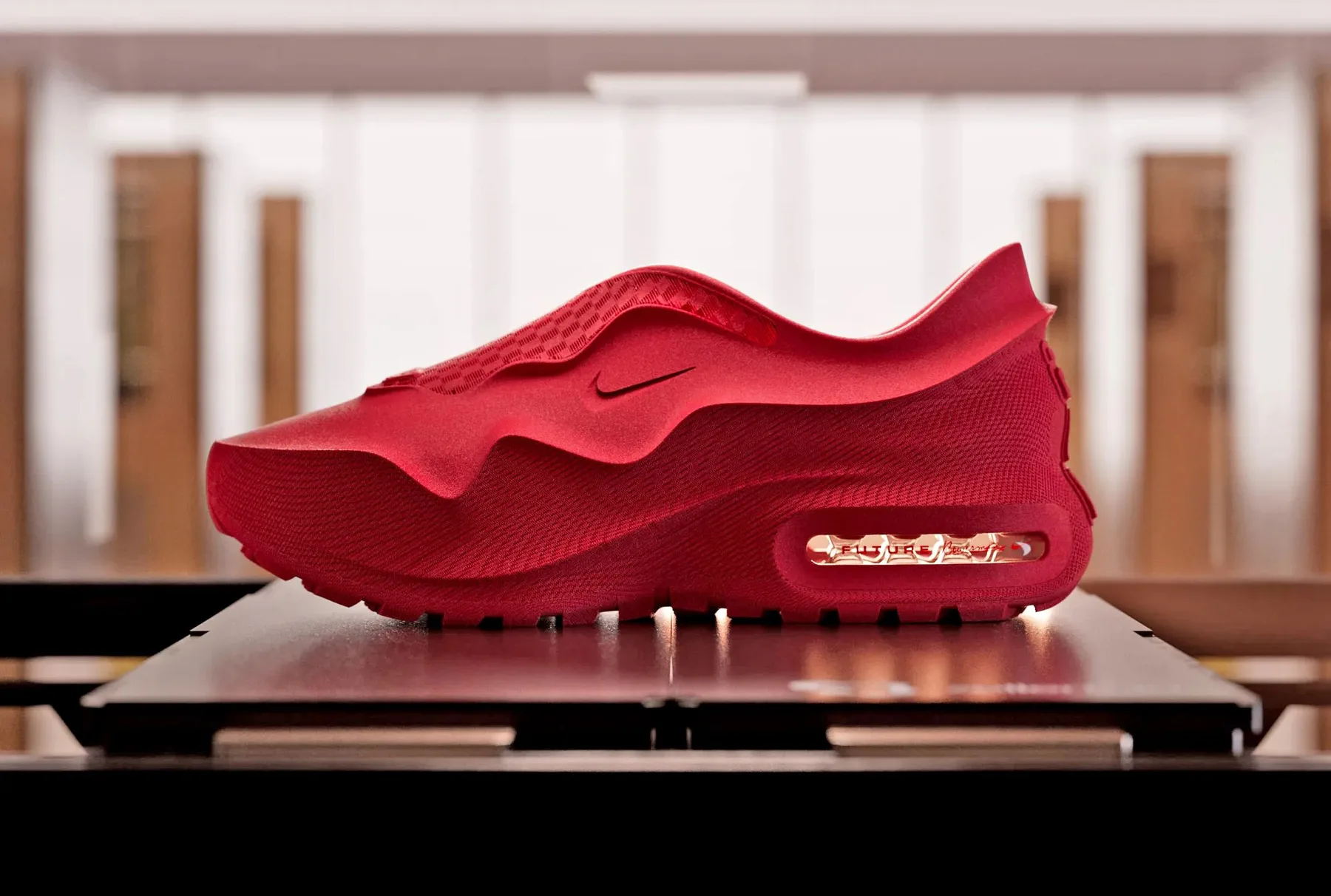
Nike’s edge is scale plus infrastructure: Flyknit helped redefine modern knitted uppers, and it sits inside a broader R&D engine that includes advanced sport research facilities and ongoing innovation investment. The strategy is simple: build textile platforms that can be tuned for performance, produced at volume, and iterated quickly across categories.
2. adidas — Data driven textiles and next gen manufacturing
[
View this post on Instagram
](https://www.instagram.com/p/CGFch-ugU9-/?utm_source=ig_embed&utm_campaign=loading)
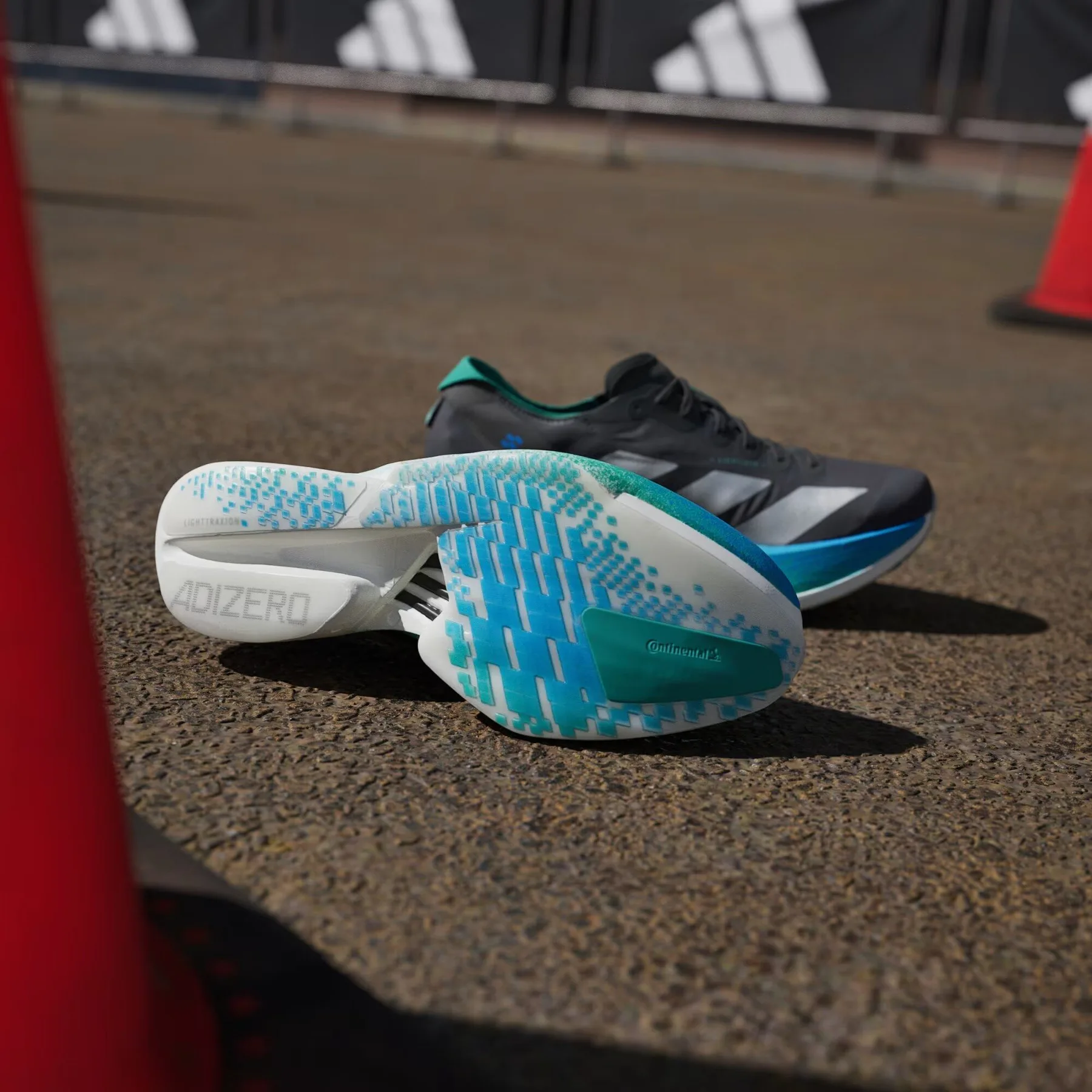
adidas has pushed textile innovation into precision engineering. STRUNG is explicitly positioned around athlete data informing thread placement, while Futurecraft programs show adidas treating footwear creation as a manufacturing frontier, not just design. This is textile innovation with a lab mindset: measurable, repeatable, scalable.
3. Salomon — The abrasion proof trail textile leader
[
View this post on Instagram
](https://www.instagram.com/p/DAOGJc2vBd6/?utm_source=ig_embed&utm_campaign=loading)
Salomon’s textile strategy is performance realism: uppers built to survive rock, dust, water, and long mileage. Matryx is central here, built around lightweight durability and abrasion resistance. Salomon wins by making textile engineering a non negotiable part of trail credibility.
4. Under Armour — Knit as fit control, not just comfort
[
View this post on Instagram
](https://www.instagram.com/p/DH1Z6BQpI1D/?utm_source=ig_embed&utm_campaign=loading)
Under Armour’s IntelliKnit direction focuses on zonal stretch and containment, positioning knit as a functional support system. The brand’s strategy is to make knit do the job that overlays used to do, cleaner construction, better movement, and less bulk.
5. ASICS — Technical uppers built for race execution
[
View this post on Instagram
](https://www.instagram.com/reel/DJJTbB3P76v/?utm_source=ig_embed&utm_campaign=loading)
ASICS continues to modernize uppers with engineered knits in core franchises and Motion Wrap in its racing line, emphasizing lockdown, breathability, and stability through textile architecture. Strategy wise, ASICS treats uppers as performance equipment: secure the foot, reduce distraction, and translate energy cleanly.
6. New Balance — Zoned knit plus software driven design
[
View this post on Instagram
](https://www.instagram.com/reel/C--aCU_JaO5/?utm_source=ig_embed&utm_campaign=loading)
New Balance has leaned into engineered knit uppers designed through software to create stretch and structure zones, and it has experimented with digital customization in knit uppers via partnerships. The strategy is manufacturing meets personalization: knit as a programmable surface.
7. PUMA — Knit fit platforms feeding performance lines
[
View this post on Instagram
](https://www.instagram.com/reel/DRhFygKiY03/?utm_source=ig_embed&utm_campaign=loading)
PUMA’s evoKNIT approach sits in a broader technology stack supporting its performance franchises. The strategy is consistent: use knit to deliver fit and comfort benefits, then integrate it with speed oriented product stories in training and running.
8. HOKA — Upper refinement as a performance multiplier
[
View this post on Instagram
](https://www.instagram.com/p/CI8MJT4hojU/?utm_source=ig_embed&utm_campaign=loading)
HOKA is best known for underfoot geometry, but its textile innovation shows up in racing and trail where uppers must disappear under load. Engineered jacquard meshes and Matryx implementations signal a strategy of making the upper lighter, more breathable, and more locked in as speeds increase.
9. On — Upper design integrated with a proprietary ride system
[
View this post on Instagram
](https://www.instagram.com/reel/Cx9wYCjM4g7/?utm_source=ig_embed&utm_campaign=loading)
On’s innovation story is typically framed around CloudTec and Helion, but the brand’s textile approach supports that system with engineered mesh and sustainability oriented fabric choices in key models. The strategy is ecosystem design: the upper is tuned to complement the ride signature.
10. Allbirds — Material substitution as an innovation strategy
[
View this post on Instagram
](https://www.instagram.com/p/DTIMlxvD7kA/?utm_source=ig_embed&utm_campaign=loading)
Allbirds is not trying to out race super shoes. It’s innovating through materials: tree fiber textiles, Trino blends, and a broader push away from petroleum based synthetics. The strategy is clear and commercially distinct: win with comfort and sustainability that material science consumers can understand.